

Co-financed by the Greater Poland Voivodeship Government






Community
The Organic Work Trail community is currently formed by 29 institutions, non-governmental organizations and local government units related to the heritage of organic work in Greater Poland:
General Dąbrowski's Palace in Winna Góra
Winna Góra
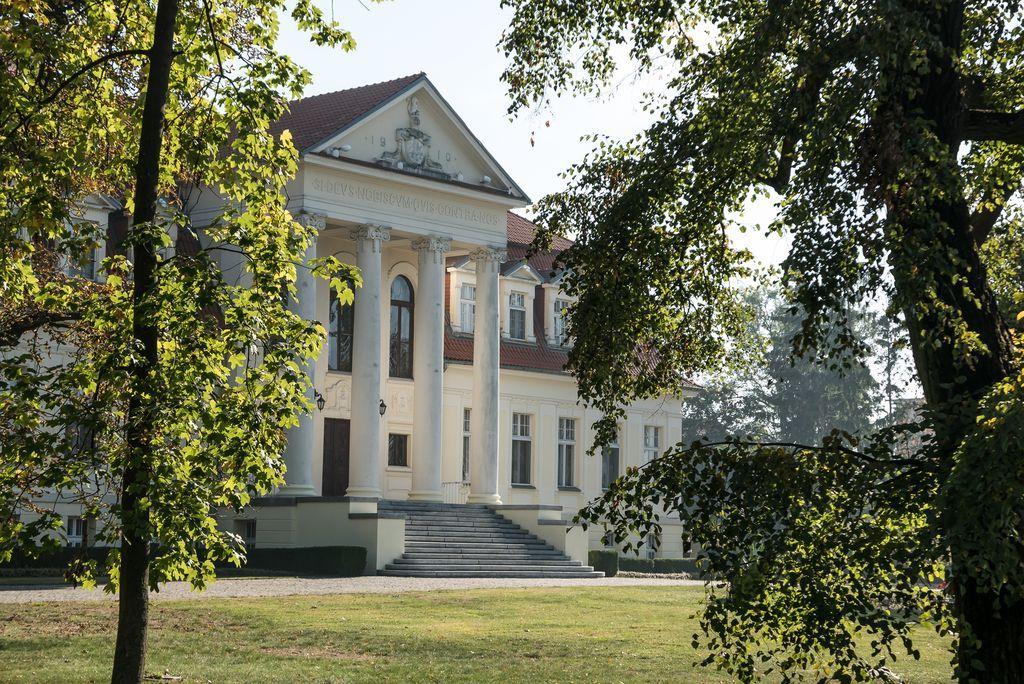
General Dąbrowski’s Palace in Winna Góra is a cultural institution of the Greater Poland Voivodeship local government. The facility is best described as a "history interpretation center," fulfilling its mission by focusing on the figure of General Jan Henryk Dąbrowski and the pioneers of "organic work." The institution organizes cultural and civic initiatives, collaborates with local bodies and organizations, and helps foster regional awareness among the people of Greater Poland. One of the Palace’s key tasks is the creation and development of the Organic Work Trail.
Poznań Heritage Center
Poznań
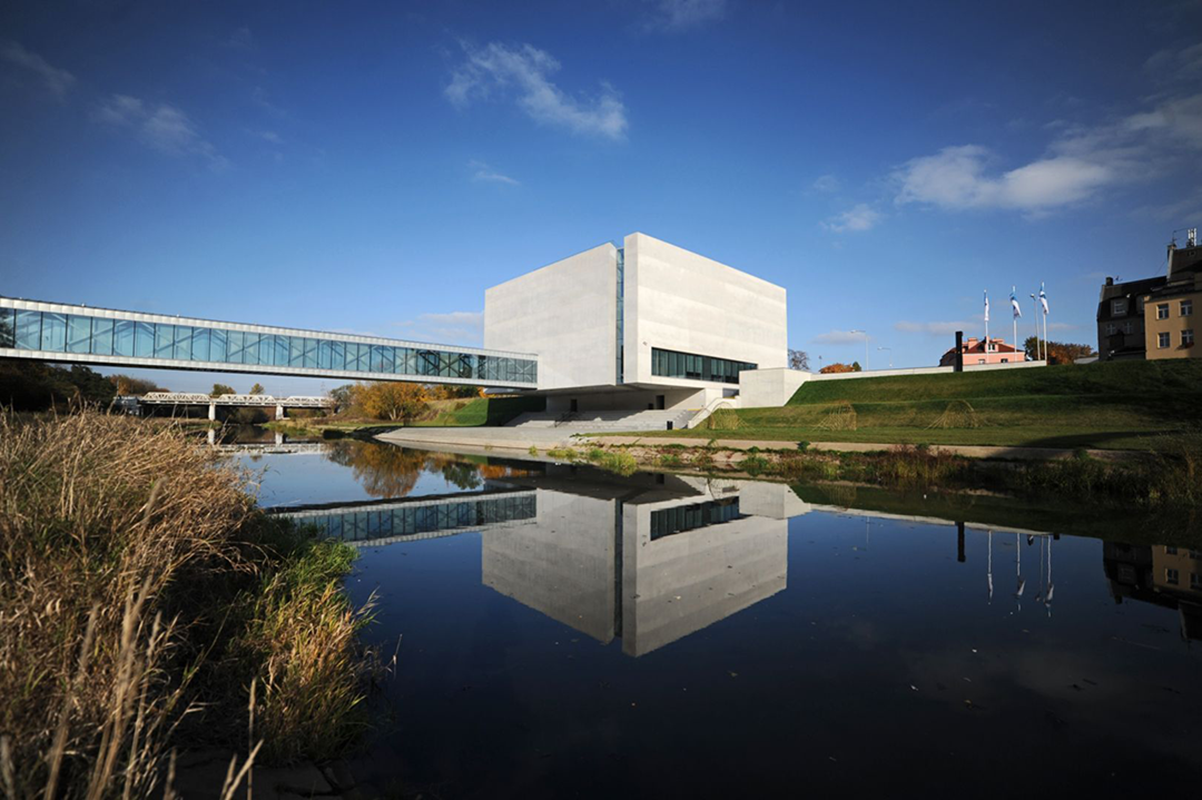
The Poznań Heritage Centre is a city cultural institution that talks about Poznań and its heritage. It operates in the Poznań Gate, on the Royal-Imperial Route, in the Enigma Cipher Centre, in the Śluza Gallery and at Fest Fyrtlach. It also realises such initiatives as: the Śródka Social Archive and the Poznań Trail of Legends for Children.
The Poznań Society of Friends of Learning
Poznań
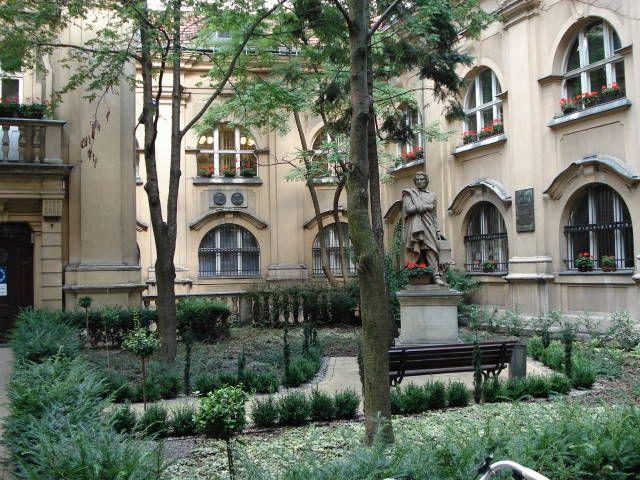
The Poznań Society of Friends of Learning met for the first time in 1857. The presidents of the organization were the following organic work heroes: August Cieszkowski, Tytus Działyński, Karol Libelt, Stanisław Końmian and archbishop Edward Likowski. The Society's great benefactor was Seweryn Mielżyński, who donated his valuable art, archaeological and numismatic collections to it. The first members of the Society were concerned with the protection and development of endangered national culture and science in the Prussian partition, where it was impossible to establish and operate a Polish university. Initially mainly a humanistic and artistic association, it began to expand its scientific fields. After gaining independence, the Society's activity led to the establishment of a university in Poznań.
Raczyński Library
Poznań
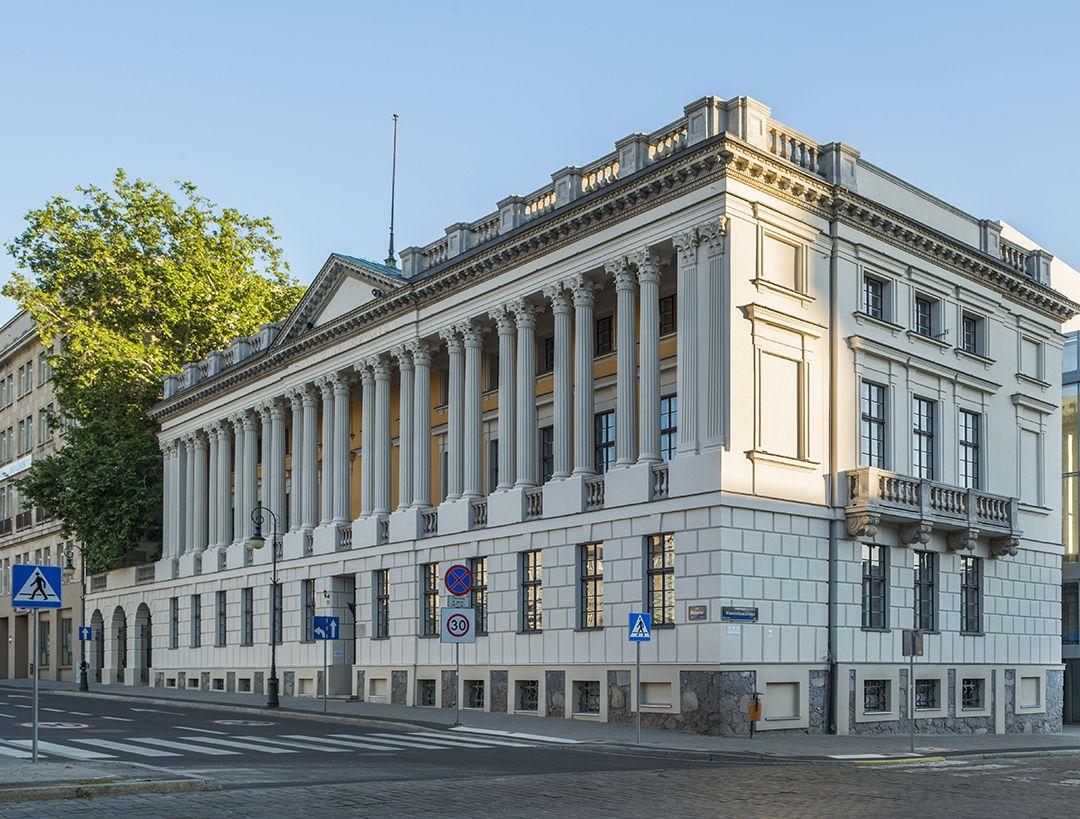
The Raczyński Library was built in Poznań between 1822 and 1828 and officially opened in May 1829. It was founded by Count Edward Raczyński, who intended it to serve as a public library from the very beginning. The library's façade was modelled on the eastern façade of the Louvre in Paris. It was the first purpose-built library building in the Polish lands. The original collection consisted of the Raczyński family's private library and was gradually enriched with valuable manuscripts, early printed books, maps, and other cartographic materials, including items from the collection of Julian Ursyn Niemcewicz. Today, the Library's most valuable treasures include incunabula—books printed before 1500—as well as a first edition of Nicolaus Copernicus's On the Revolutions of the Heavenly Spheres. Another exceptional treasure is the only surviving copy of the so-called Hussite Hymnal, a collection of hymns published in Prague in 1541, whose entire print run was destroyed during the Counter-Reformation. During the interwar period, in keeping with its role as a public library, the collection expanded to include publications from all fields of knowledge. After being heavily damaged during the Second World War, the Library was rebuilt in the 1950s and gradually expanded to include a network of branch libraries and museum institutions. In 2013, the historic building was extended with a modern new wing housing reading rooms, lending services, and storage facilities. Today, the Raczyński Library comprises its historic headquarters and modern extension in the heart of Poznań, a network of 35 branches, and Poland's largest network of automated book lockers, consisting of 11 locations. The Library's mission is to collect, preserve, and provide access to its collections, conduct research on its special collections and literary archives, and promote reading and culture through events for visitors of all ages. The Raczyński Library is the oldest public library in Poland that continues to operate today.
Institute of Bioorganic Chemistry of the Polish Academy of Sciences
Poznań/Turew
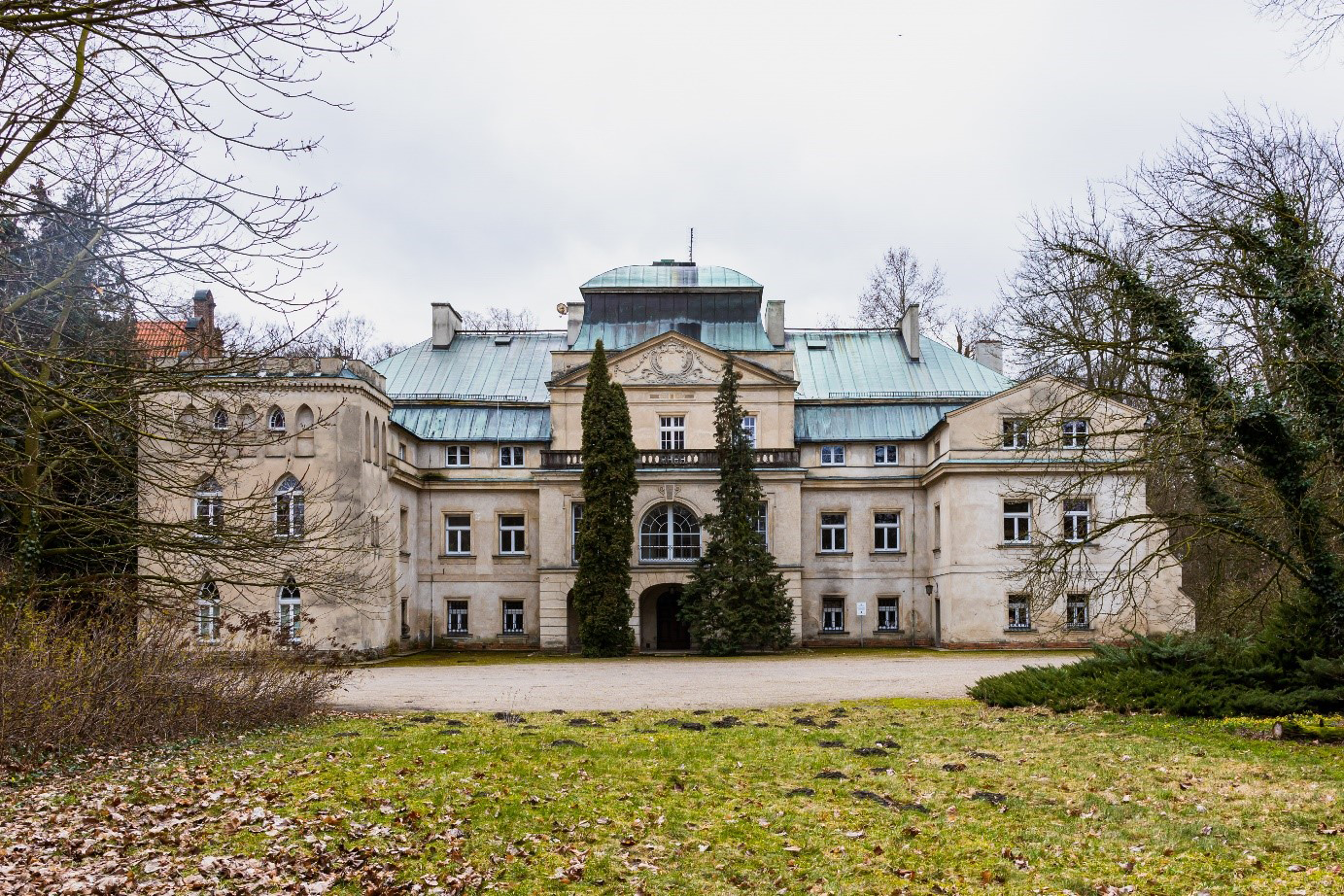
The Institute of Bioorganic Chemistry of the Polish Academy of Sciences is a unique interdisciplinary scientific centre in Poland and Europe conducting research combining the areas of chemistry, biology and computer science. Since the end of October 2022, the Institute manages the palace and park complex in Turew, developing a concept of using the space as an artistic and research residence. This approach allows it to use the unique values of this place to promote development, science and art, in line with the idea of organic work initiated on Polish lands in Turew by general Chłapowski.
Greater Poland Independence Museum
Poznań
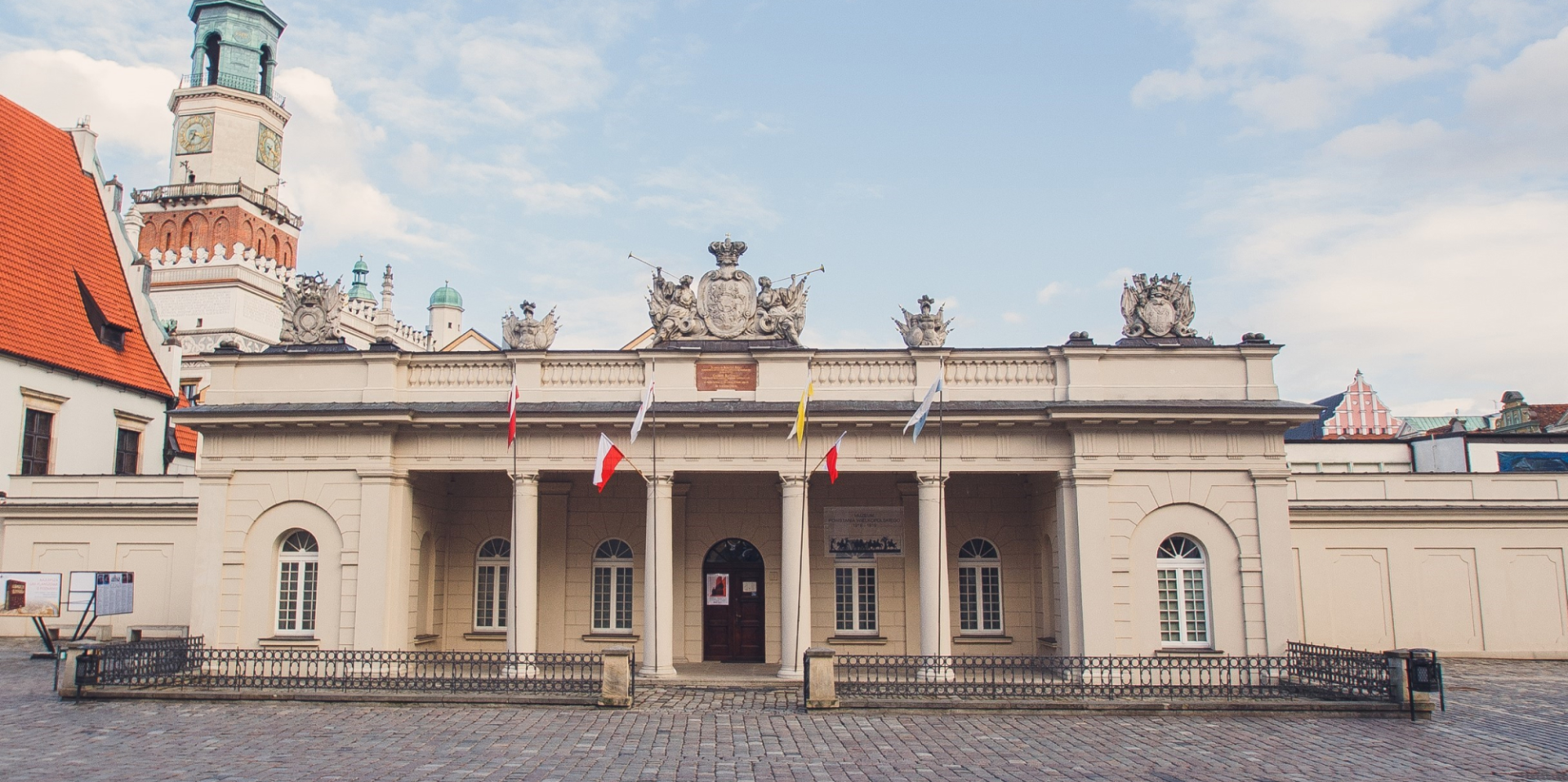
The museum is located in the Guard building on the Old Market Square - one of the most outstanding monuments of Polish architecture. It was built on the initiative of the then general starost of Greater Poland, Kazimierz Raczyński. Until Poznań was occupied by Prussia as part of the Second Partition of Poland, Crown troops were stationed in the Guard building. During the partition period, the inhabitants of Poznań witnessed the guards of the invader's army stationed here, which made the Old Town Guard building the main garrison of the Poznań Fortress. In 1918, Polishness returned to the building. In November, one of the most important formations of the Greater Poland Uprising was based here.
Foundation Julia Woykowska
Poznań

There should be more women in Polish public and political life - all the Foundation's activities have this very goal: to make women believe in themselves and their agency. To reject the barriers that hold them back, patriarchal upbringing, stereotypes, and "truths" that they themselves believe in. For this purpose, the Foundation implements projects, often of a herstorical nature, including: Kobiety na pomniki, Warsztaty mocy, Dziewczyny rządzą ("Women for monuments", "Workshops of power", "Girls rule!"). The connection between the place and organic work is already visible through the figure of the matriarch Julia Woykowska, an emancipator, educational and social activist.
City and Municipality of Kórnik
Kórnik
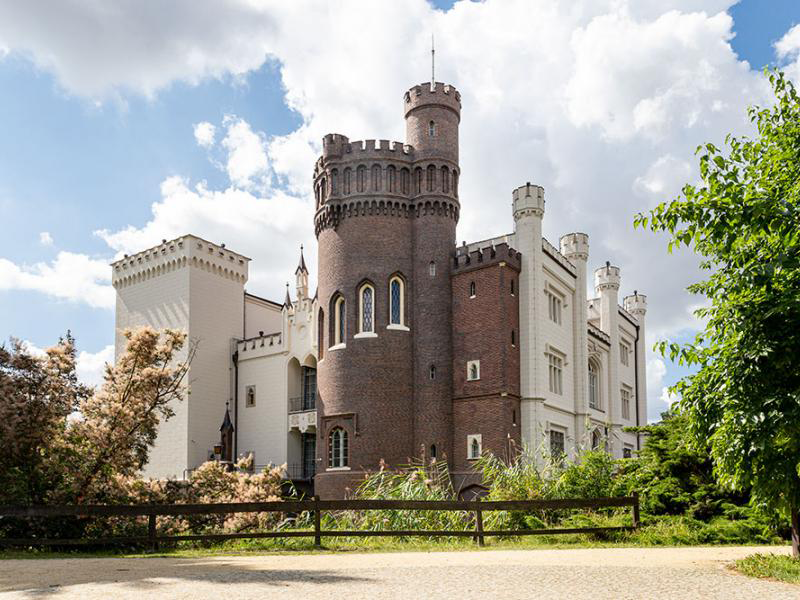
The Municipality of Kórnik is located in the central part of Greater Poland, in Poznań County. A great tourist attraction and a symbol of the city is the Kórnik Castle. The castle houses a museum with unique exhibits and the seat of one of the five largest libraries in Poland - the Kórnik Library of the Polish Academy of Sciences. Most of the city's cultural events are organized here: music and poetry concerts, theatre performances and painting and photography exhibitions. The castle is surrounded by a beautiful park, one of the oldest in Poland and the richest in terms of the number of species and varieties of dendrological parks in Central Europe. Since 2010, cultural events, both local and nationwide, have been organized at the Kórnik Recreation and Sports Centre OAZA (“Oasis”).
Kórnik Library of the Polish Academy of Sciences
Kórnik
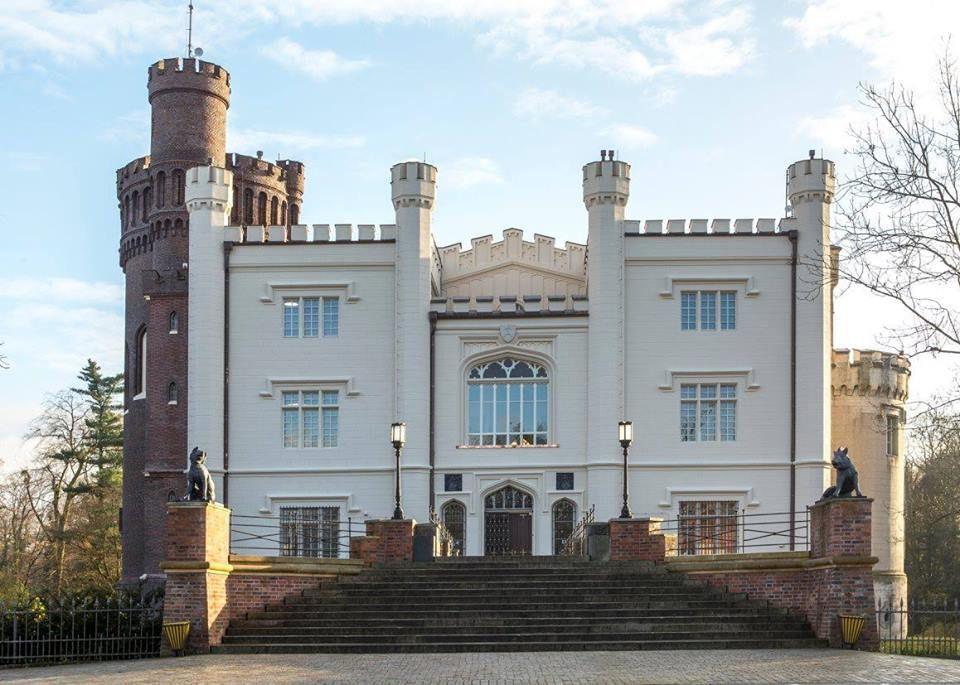
Kórnik Castle is one of the most remarkable and impressive historic landmarks in the Poznań region. The castle was entered into the Register of Historic Monuments in 1930 (registration no. 2422/A, 12 March 1930). In 1968, the entire castle complex was also entered into the Register (registration no. 116/A, 1 June 1968). Since 2011, Kórnik Castle has held the status of a Historic Monument, one of Poland's highest forms of heritage protection. The castle is home to the main headquarters of the Kórnik Library of the Polish Academy of Sciences, founded in 1826 by Tytus Działyński, owner of the Kórnik estate. The Library's collections comprise approximately 400,000 volumes and include numerous unique manuscripts, rare books, and other works of exceptional importance to Poland's cultural heritage. A branch of the Kórnik Library is located in the Działyński Palace in Poznań.
Museum in Gostyń
Gostyń
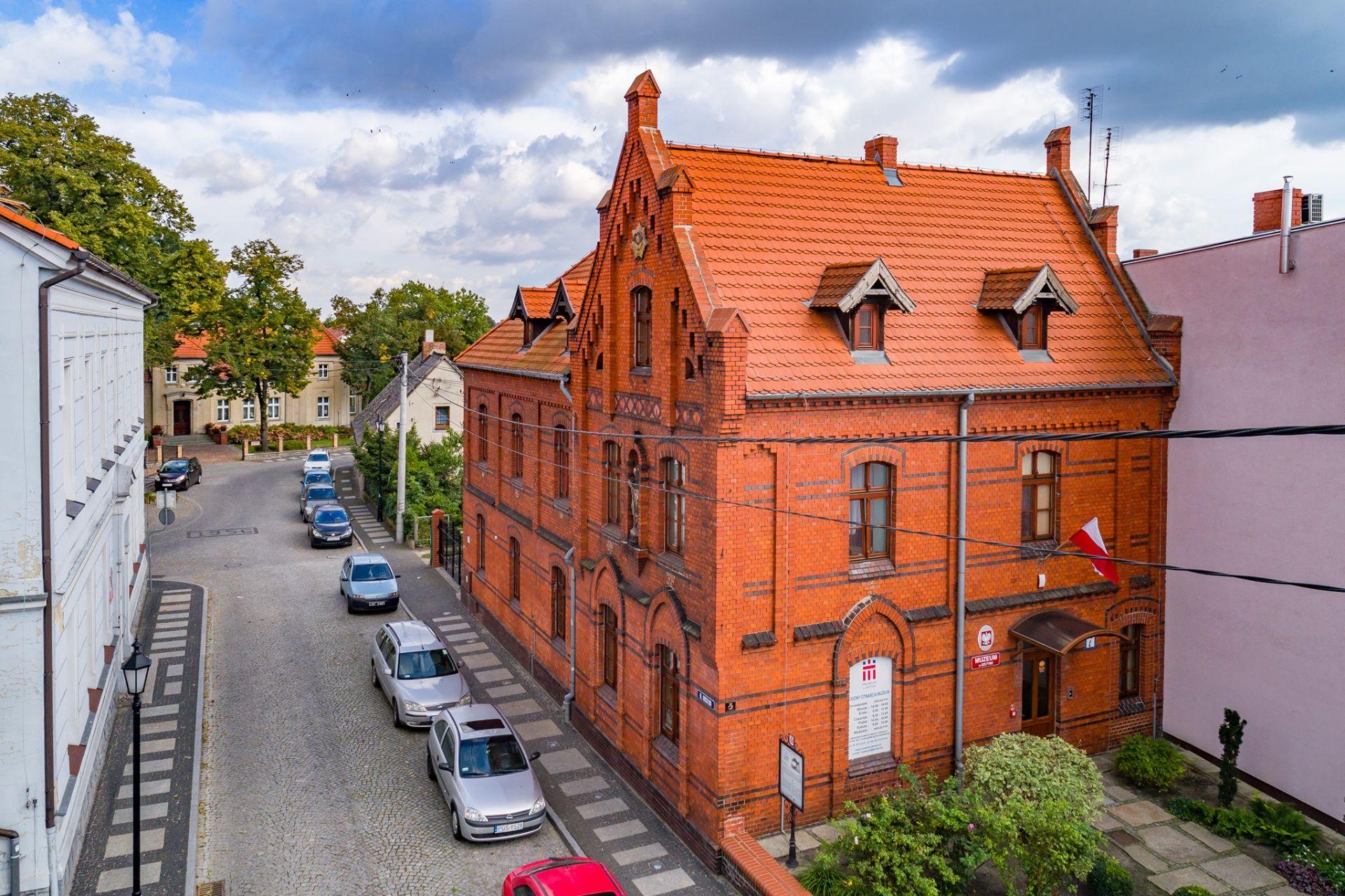
The museum is of a regional nature and presents mainly archival materials regarding the history of Gostyń and the surrounding area. In addition to permanent and temporary exhibitions, the Museum currently offers a number of thematic lessons, including two related to organic work and the Gostyń Casino. The origins of the Museum are related to the history and collections of the Gostyń Casino, including the activities of Gustaw Potworowski (founder of the Casino) and Antoni Kiliński (librarian of this institution). The casino was an institution of Polish cultural and social life and influenced the formation of national attitudes during the Germanization period. The former Casino building now houses the Hospital in Gostyń and a commemorative plaque of Karol Marcinkowski.
Kościan Commune
Kościan
Through the Chłapowski family seat in Turew, inextricably linked with the cradle of organic work in Greater Poland. The inhabitants do not forget about the history and tradition of the region, about their compatriots who contributed to the development of their small homeland. In the "Protect from oblivion" series, they create documentaries about disappearing professions, inhabitants and their passions. The commune supports local activities, including the "Bonum Adipisci - strive for goodness" Foundation, established to document and popularize knowledge about the landed gentry nobles, present the history of the region, and ultimately lead to the creation of the Museum of the Longest Modern War in Europe.
Regional Knowledge Centre in Lwówek
Lwówek
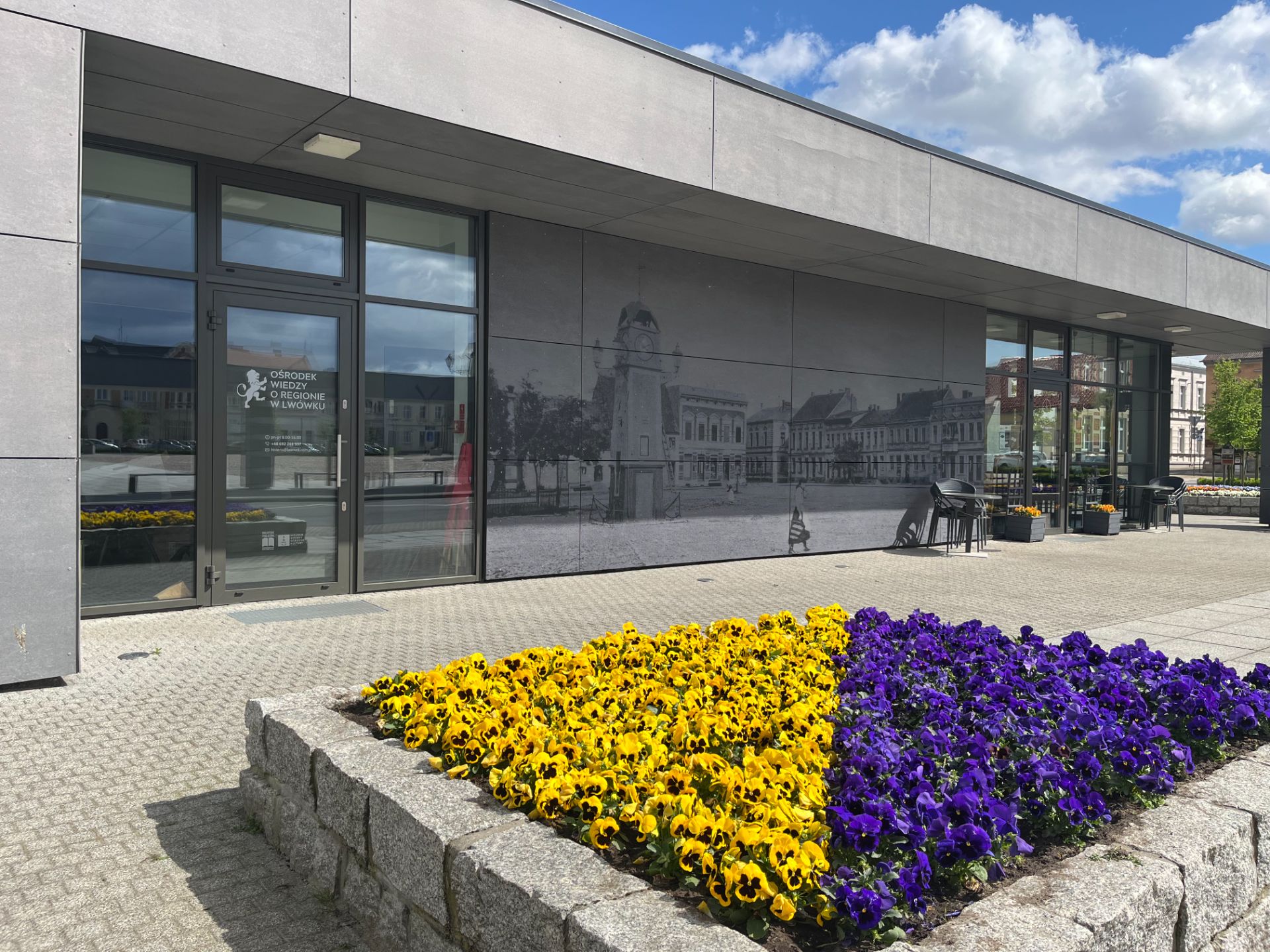
Operating since the beginning of 2021, it is located in the old market square in Lwówek, functioning as part of the Public Library of the City and Municipality of Lwówek and the Municipal and Communal Cultural Centre in Lwówek. The purpose of this place is to archive documents of social life, photographs, conduct historical research and promote regional history, among others. as part of historical lessons for schools, tours around the city and commune, meetings and lectures, as well as part of the Lwówek Digital Archive website and through publishing activities.
Palace Museum in Rogalin
Branch of the National Museum in Poznań
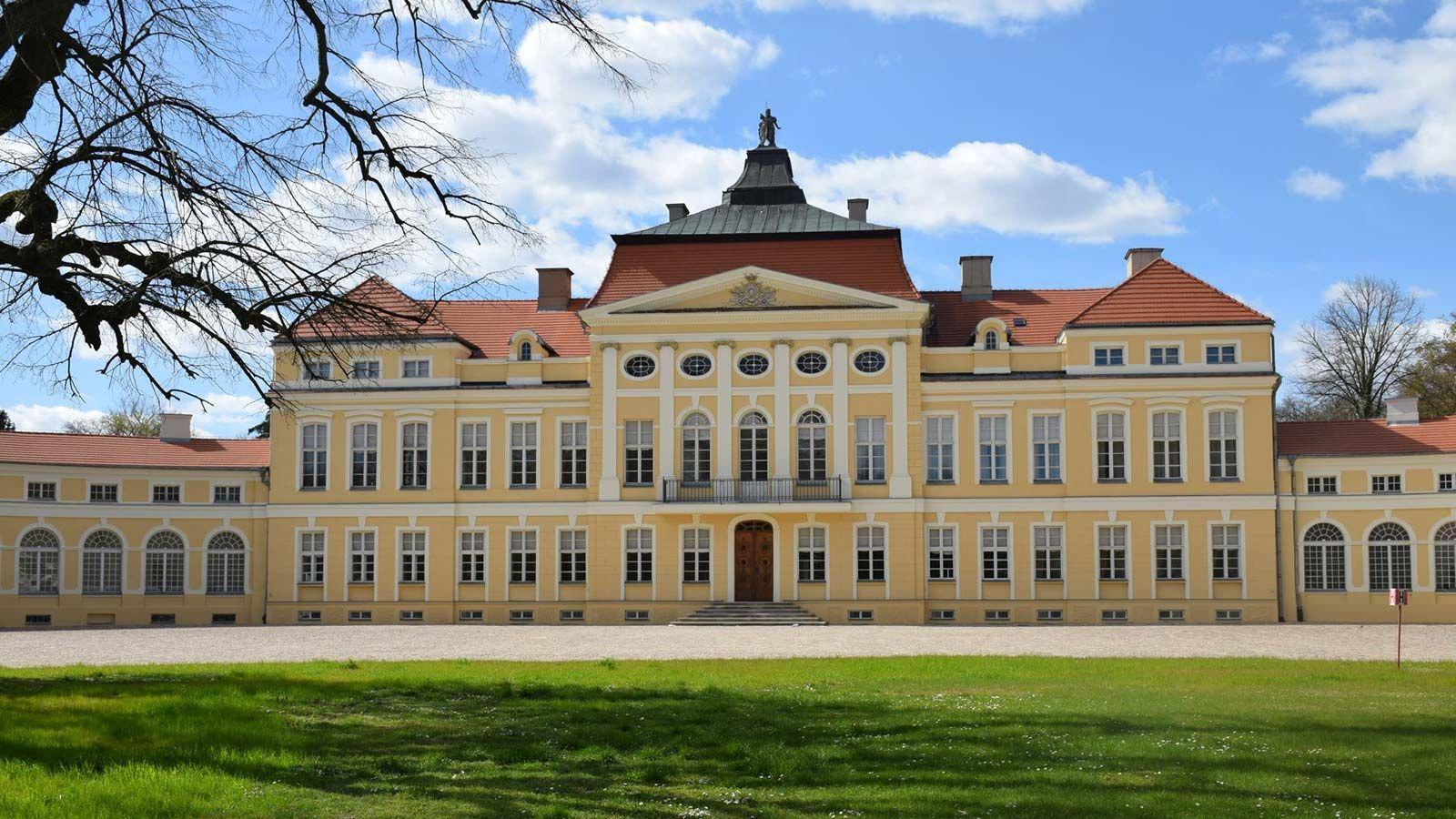
The palace and garden complex from the 18th century is the ancestral seat of Kazimierz Raczyński, starost general of Greater Poland and court marshal of the crown during the times of Stanisław August. His grandson Edward, considered one of the forerunners of organic work, expanded it with a naturalistic park with famous, monumental oaks and a church-mausoleum, and set up an armoury in the palace - the first museum chamber in Greater Poland. In Poznań, he founded the Raczyński Library - the first public institution of this type in the region. The traditions of cultural and artistic patronage were continued by his descendants: Roger, who cooperated with the Poznań Society of Friends of Learning, and Edward Aleksander, the creator of the Painting Gallery in Rogalin intended for the public.
Adam Mickiewicz Museum in Śmiełów
Branch of the National Museum in Poznań
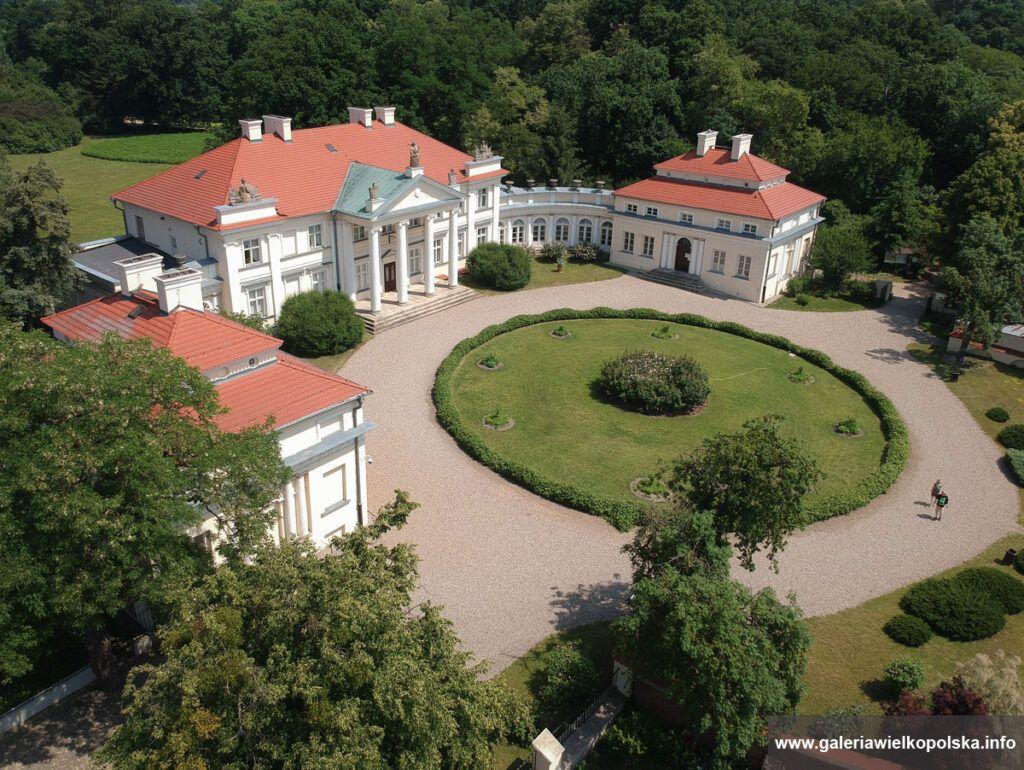
In 1784, Śmiełów was purchased by Andrzej Gorzeński, president of the Court of Appeal for the Grand Duchy of Poznań. The palace became a centre of patriotic contraband. In mid-August 1831, Adam Mickiewicz stopped here to bring letters from the Polish Legation in Paris to the National Government. The institution is located in a classicist palace from the end of the 18th century, designed to take advantage of the scenic values of the area. The museum combines Mickiewiczian and residential issues, refers to organic work, the history of the Chełkowski and Gorzeński families and outstanding figures from the world of culture, politics and clergy.
National Museum of Agriculture and Agri-Food Industry in Szreniawa
Szreniawa
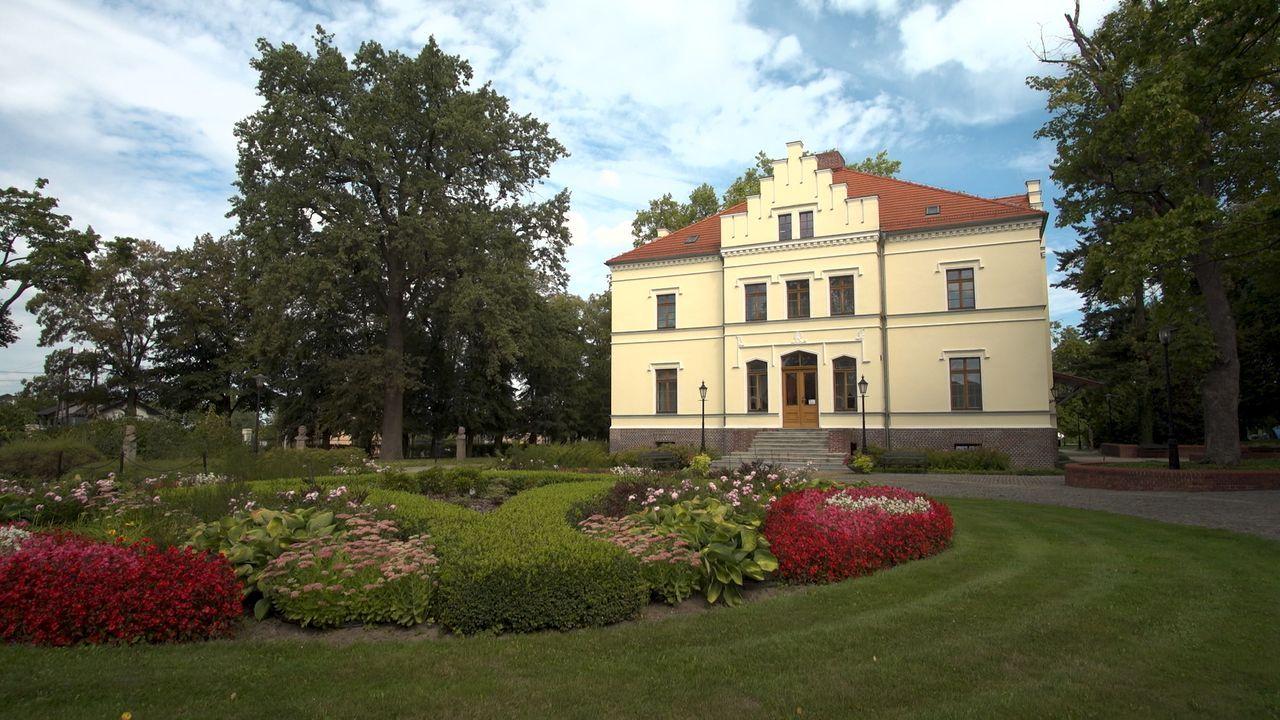
The museum presents the history of agriculture and the agri-food industry from historical and contemporary Polish lands, in particular villages in Greater Poland from the 19th and 20th centuries. The most important collections include machines, tools and other artifacts related to the person of an outstanding organic worker - Hipolit Cegielski; these are: unique locomobiles - including: the famous Hipolina, steam engines, threshers, seeders, treadmills, etc. The museum grounds feature, among others: the noble palace, a park, a distillery and a farm, including a barn with animals, exhibition pavilions and open-air exhibitions.
“Bonum Adipisci” Foundation – Strive for Goodness
Turew
The foundation's activities focus on recalling the figure of general Dezydery Chłapowski, a Greater Poland organic work activist, but also on discovering the biographies of members of this family. This task is to document and popularize knowledge about both this and other landed gentry noble families, primarily from Greater Poland. The Foundation collects archival sources (documents, correspondence, archives, photographs, iconographic materials) showing a wide range of activities of the landed gentry nobles. It is equally important to educate and popularize knowledge not only about the nobility, its history and importance, but in a broader context, presenting the history of the region and Poland. The mission of the Foundation is to organize scientific conferences, symposia, publishing and popularization activities, and initiatives commemorating important figures and events.
Museum in Lewków
Lewków
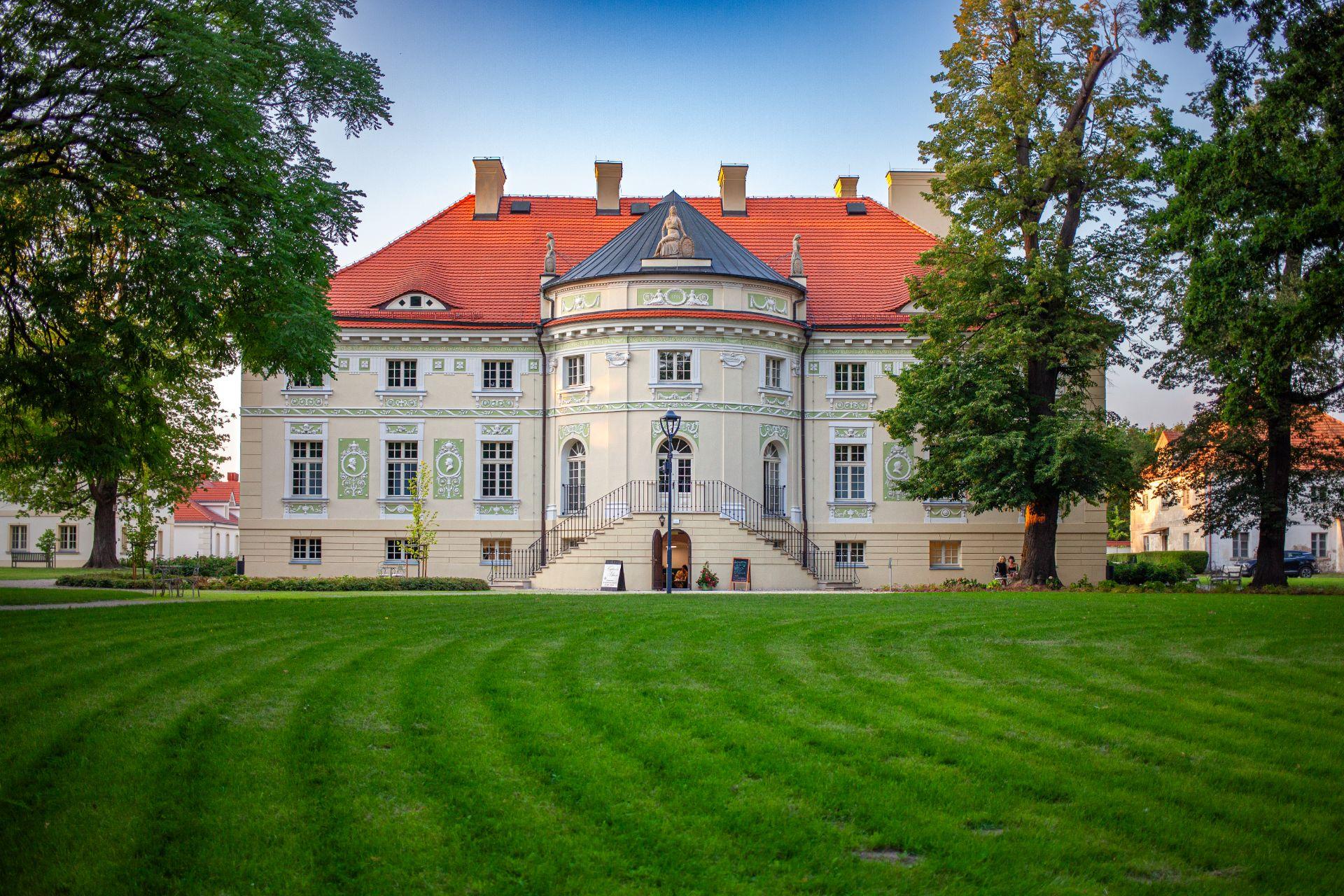
The palace was built between 1788 and 1791 as a representative residence for General Wojciech Walenty Lipski (1743–1810) and his wife, Salomea Lipska, née Objezierska (1749–1827). The unofficial motivation for its construction was the founder’s prestigious positions as Huntsman of Kalisz and Royal Adjutant. The Classical-style palace was most likely designed by Jan Chrystian Kamsetzer, court architect to King Stanisław August Poniatowski. The palace is accompanied by two outbuildings and an English landscape park, all preserving the original axial layout. The entire complex is a replica of the palace in Sierniki near Rogoźno. As the ancestral seat of the Lipski family, Lewków witnessed many patriotic struggles and became a centre of the Organic Work movement. The founder’s grandson, Wojciech Lipski (1805–1855), fought in the November Uprising and took part in the Spring of Nations. He was elected to the Prussian Parliament and became a noted philanthropist who established scholarships. He promoted modern agriculture, organised courses for agronomists and beekeepers, founded the Raszków Casino Society – a socio-economic association – and edited the agricultural journal Ziemianin. He also founded the Royal Catholic Boys’ Gymnasium in Ostrów Wielkopolski, which became an important centre for educating future professionals. During the ownership of his son, Józef Lipski (1827–1884), the Lewków estate enjoyed its greatest prosperity. The estate also welcomed many distinguished visitors. In 1812, Jérôme Bonaparte, King of Westphalia and brother of Napoleon Bonaparte, visited Lewków. More than a hundred years later, in 1928, the President of the Republic of Poland, Professor Ignacy Mościcki, was also a guest at the palace. Lewków did not escape the devastation of war. The destruction was completed by the Red Army in January 1945. After the war, the estate was nationalised. It was initially managed by the local Cooperative Association (GS), and in the 1970s a state-owned agricultural farm (PGR) was established here. In the 1980s, the entire property was transferred to the Kalisz Regional Museum to serve as a museum. Since 2017, the museum has operated as an independent cultural institution of the Wielkopolska Voivodeship. Its primary focus is preserving and presenting the history of the Lipski family and the Lewków estate.
Śrem Region Economic Union – Śrem Small Business Support Centre
Śrem

The Śrem Region Economic Union – Śrem Small Business Support Centre is a local government association based in Śrem. Its members include the municipalities of Brodnica, Dolsk, Książ Wielkopolski, and Śrem, as well as Śrem County and the Municipality of Krzywiń. The Union supports entrepreneurship, employment activation, cooperation with non-governmental organisations, tourism promotion, and the preservation and interpretation of the cultural and natural heritage of the Śrem region. It also operates a certified Tourist Information Centre. The association carries out projects promoting the heritage of Organic Work in Greater Poland, including the people, events, and places connected with this important historical movement. One of the Union's initiatives is the project "Women's Success: Then and Now," which, in cooperation with local institutions, promotes the achievements and stories of women involved in the Organic Work movement through a variety of events dedicated to women's history and heritage. The Union's partners in projects related to Organic Work include the General Józef Wybicki National Heritage Association, the Książ Wielkopolski Cultural Centre, the Dolsk Public Library, the Jarosławki Brickworks, the Father Piotr Wawrzyniak Cooperative People's Bank in Śrem, the Mańkowski Palace in Brodnica, the Śrem Museum, the Śrem Cultural Centre, and local Rural Housewives' Associations from Śrem County, including "Jaszkowianki" in Jaszkowo and "Aktywne Brodniczanki" in Brodnica.
The Union of Greater Poland Residents
Poznań
The Union of Greater Poland Residents is a regional civic organisation dedicated to the development of the Greater Poland region, the promotion of its cultural heritage, and the support of civic initiatives. It was founded on 17 December 1990 by a group of active residents of Greater Poland, becoming the first non-governmental organisation established in Poland after the political transformation of 1989. Its members include representatives of academia, culture, local government, and local communities. The Union's mission is to strengthen the regional identity of the people of Greater Poland, support local self-government, and promote the ideals of Organic Work.
Gaspar Museum of Old Tools and Machines
Poznań
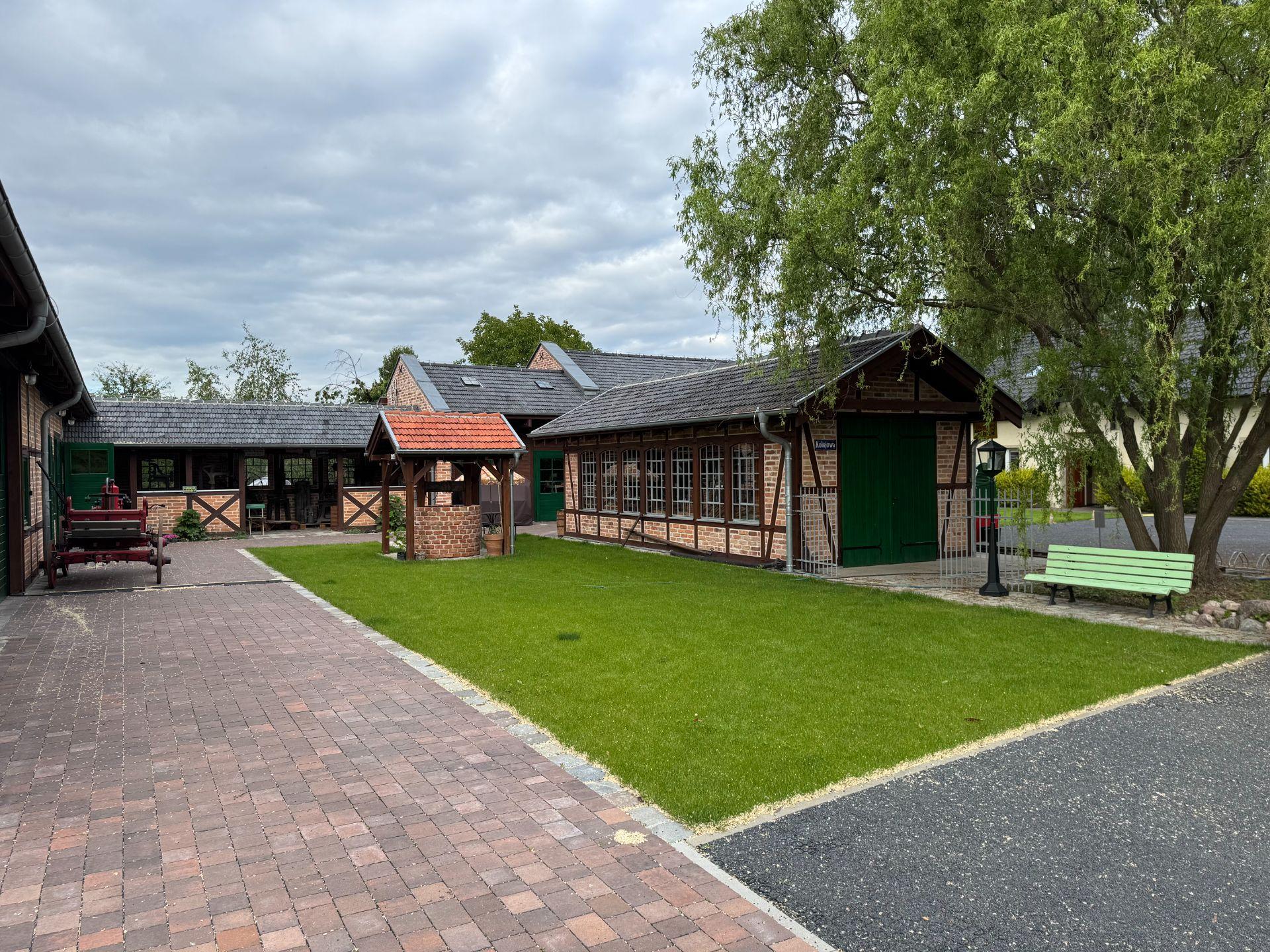
The GASPAR Museum of Old Tools and Machines is a private museum of technology dedicated to the preservation of historic tools, machinery, and memorabilia associated with Hipolit Cegielski and the HCP (Hipolit Cegielski Poznań) engineering works. The collections are displayed in characterful buildings constructed in the traditional Prussian half-timbered style, using reclaimed bricks and roof tiles that are over one hundred years old. Built up over many years, the museum's collection includes historic tools and machines used in carpentry, metalworking, mechanical engineering, and blacksmithing. Visitors can see a wide variety of traditional hand tools, including wrenches, pliers, screwdrivers, saws, and precision measuring instruments. The museum also features an extensive display of historic hand-operated, bench, and pillar drills, together with educational workshop models and a collection of original information boards covering occupational health and safety, machine operation, and workshop practices. A separate exhibition is devoted to Hipolit Cegielski—an outstanding nineteenth-century social activist, advocate of Organic Work, philologist, journalist, industrialist, and founder of the Hipolit Cegielski Poznań (HCP) industrial works. The collection includes memorabilia and products manufactured by HCP, including agricultural machinery, consumer goods such as gramophones, razors, tools, and pumps, as well as medals, documents, and historical publications.
Museum of the Landed Gentry in Dobrzyca
Dobrzyca
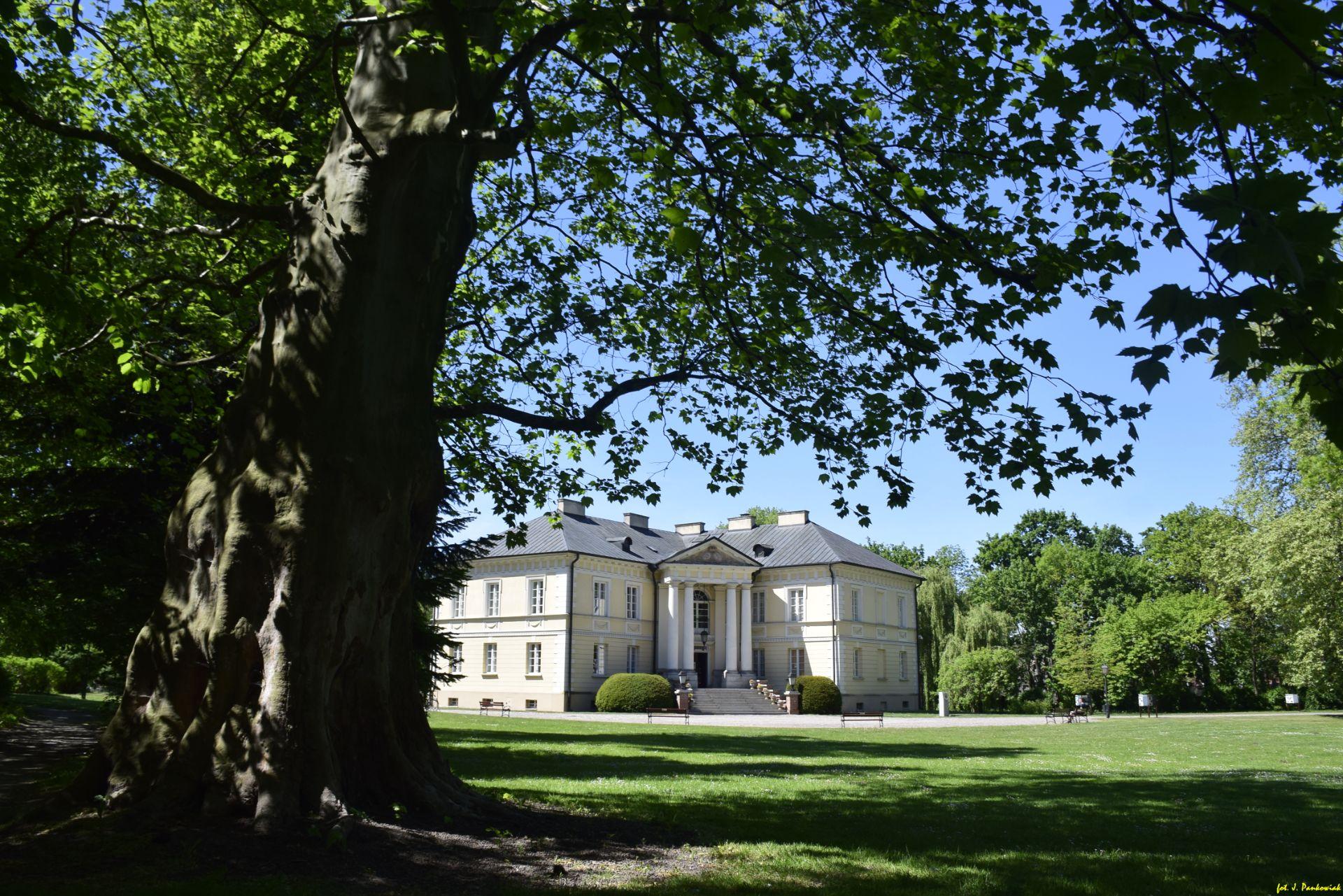
The museum is a local government cultural institution operating under the Marshal's Office of the Wielkopolska Voivodeship. It is based in a historic palace and park complex that successively belonged to the noble families of Dobrzycki (Bróg coat of arms), Gorzeński (Nałęcz coat of arms), Turno (Three Anchors coat of arms), von Kottwitz (their own coat of arms), Bandelow, and finally the Czarnecki family (Prus III coat of arms). The history of the estate dates back to the early 14th century. The last major reconstruction of the palace, together with the transformation of the surrounding park, was commissioned by General Augustyn Gorzeński, one of the closest friends of King Stanisław August Poniatowski. His redesign gave the estate its distinctive character, earning it the nickname "the Łazienki of Greater Poland." Covering more than 10 hectares, the park was redesigned in the English landscape style, featuring several ponds, Romantic garden structures, and so-called garden salons. Unfortunately, subsequent owners and the course of history gradually caused the estate to lose much of its original character. During and after the Second World War, its deterioration accelerated. Thanks to the determination of a group of local activists, who successfully campaigned for the estate to become a branch of the National Museum in Poznań in 1988, it was saved from complete destruction. After many years of restoration and conservation work, the palace reopened to visitors in 2005 as a museum of historic interiors. In 2009, the museum adopted a new mission and has since been dedicated to preserving and presenting the history, heritage, and traditions of the Polish landed gentry.
Śrem Museum
Śrem
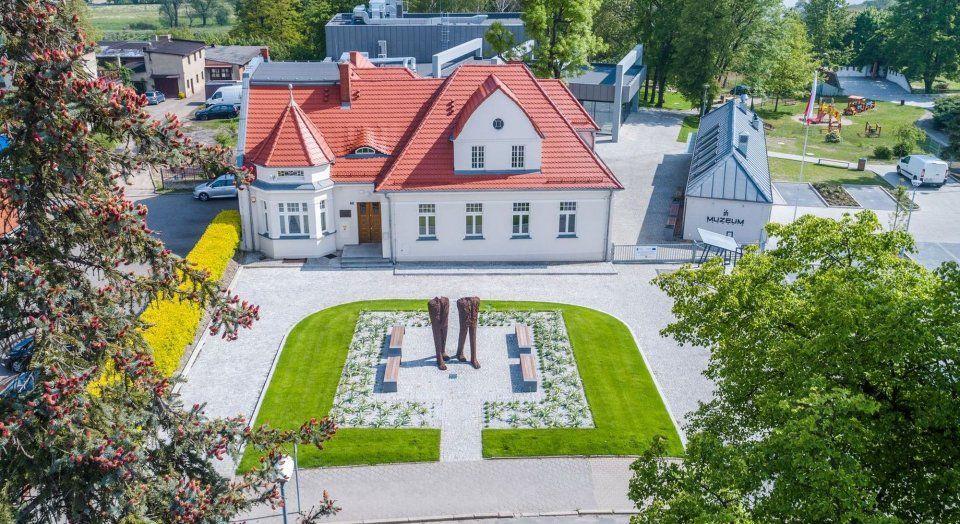
The Śrem Museum is a multifunctional cultural institution dedicated to the preservation, promotion, and development of regional, national, and world heritage. Visitors are welcomed by two monumental sculptures created by Magdalena Abakanowicz. Beyond them lies the museum complex, which consists of three interconnected buildings: a historic villa dating from around 1910, an art gallery, and a modern extension containing exhibition and performance spaces. At the heart of the complex is an inner courtyard dominated by a majestic ash tree. Visitors can relax on benches while enjoying panoramic views of the Warta River. Some exhibitions can also be viewed from outside through the glass walls of the exhibition gallery, which is primarily devoted to contemporary art. The ground floor of the historic villa houses the museum's permanent exhibition, which combines traditional collections with modern multimedia and digital technologies. The permanent exhibitions include "Śrem Through the Ages," "The Collector's Room," "Jurga – the Furrier's Workshop," "Local Dialect and Folk Costume," "Photo Studio," and "On the Trail of Organic Work." The last of these presents, in a modern and interactive way, the achievements of leading representatives of the Organic Work movement—including Dezydery Chłapowski, Father Piotr Wawrzyniak, Heliodor Święcicki, and Blessed Edmund Bojanowski—and highlights their contribution to the social, educational, and economic development of the Śrem region under Prussian rule. The museum also includes a park adjoining the Warta riverside promenade. Its mature trees, flowing stream, and peaceful seating areas provide visitors with an ideal place to relax away from the bustle of the town.
Hipolit Cegielski Society
Poznań
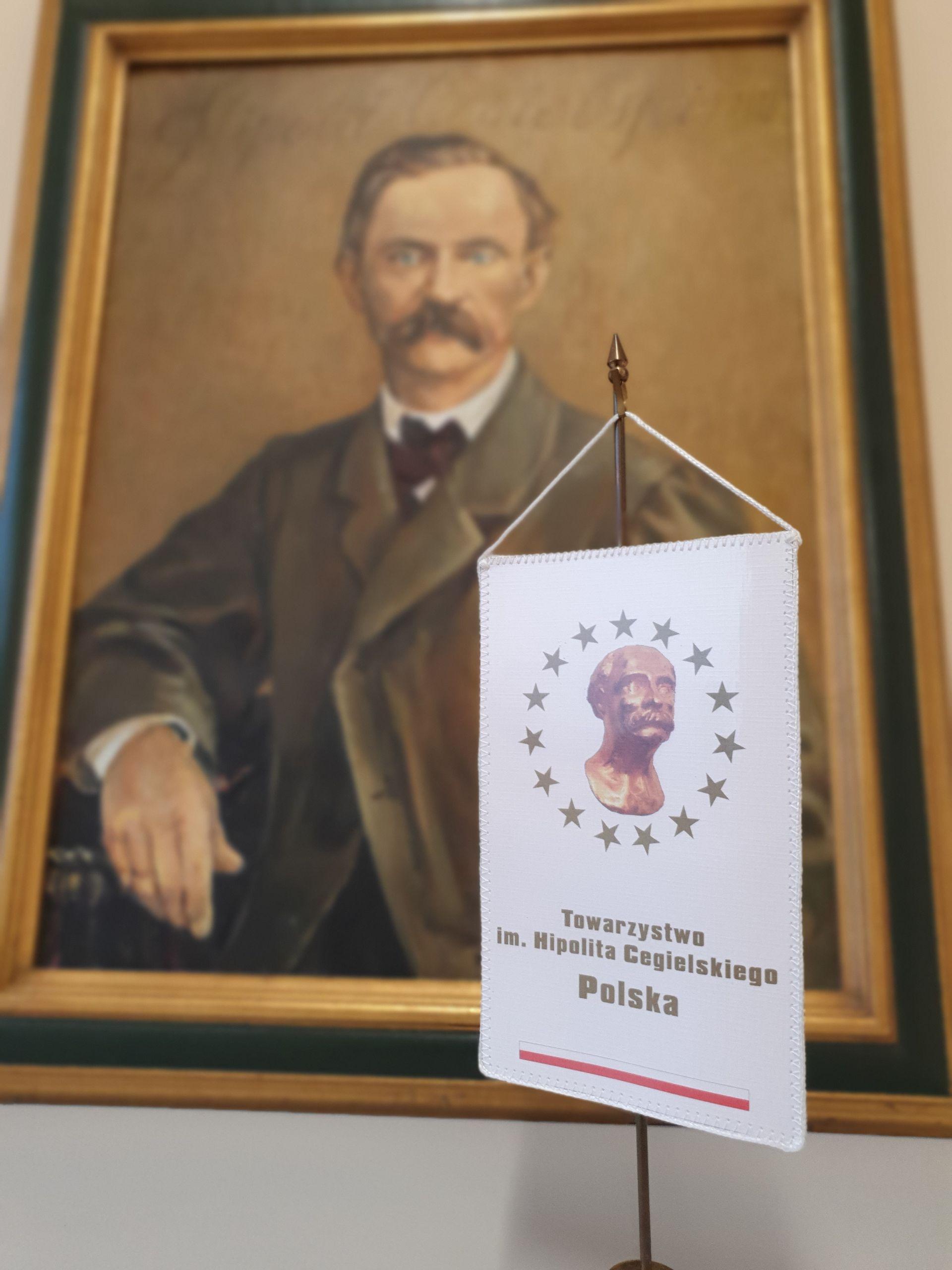
The Hipolit Cegielski Society, based in Poznań, has been active for nearly thirty years. Its mission is to recognise, inspire, and promote initiatives that strengthen patriotism and contribute to the development of Polish culture, the economy, and public life. The Society has its own ceremonial banner and anthem, "Labor Omnia Vincit" ("Work Conquers All"), reflecting its guiding principle that work is the foundation of social progress. The Society brings together around one hundred members, including university rectors, public officials, government ministers, entrepreneurs, and local government representatives, and is supported by several thousand sympathisers. The Society was founded on the initiative of the late Dr Marian Król, who served as its President for more than twenty-five years. At the initiative of the Society's Board, two monuments were erected in Poznań: one dedicated to Hipolit Cegielski and the other to Ignacy Jan Paderewski. Among the Society's most important initiatives are: -the Golden Hipolit Statuette, together with the title "Outstanding Personality of Organic Work" (the first statuette was presented to Saint John Paul II on 1 August 2001); -the Honorary Hipolit Statuette, awarded since 2002 together with the title "Leader of Organic Work"; -the "Labor Omnia Vincit" Medal, awarded since 2005; -the Young Positivist Medal, awarded since 2002, whose recipients now form a community of more than 350 members; -the nationwide "The Best in Poland" Product and Service Quality Competition (formerly "Good Because It Is Polish"). Candidates for the Society's awards are nominated by respected public figures as well as by previous laureates. The Society also acts as patron of numerous important initiatives and events throughout Poland and across Europe. It has published dozens of books, brochures, and audiovisual materials.
Kórnik Foundation
Kórnik Foundation (FZK) owes its creation to a donation from Jadwiga Zamoyska, née Działyńska, and her son, Władysław Zamoyski, who donated their entire estate to the Polish Nation under an Act of the Sejm dated July 30, 1925. However, the Foundation's roots reach back to earlier generations of Działyńskis and Zamoyskis, who combined responsible stewardship of their estates with social and cultural responsibility. Their work was consistent with a broader effort to strengthen the Polish state and, after the loss of statehood, rebuild the nation through the development of education and culture. In times of trial, they participated in armed struggle, simultaneously fostering the intellectual development of Polish society. This was reflected in the establishment of the Kórnik Library and the Women's School of Domestic Work. Today, the Foundation continues the mission of its founders by carrying out economic, cultural, and educational initiatives. It implements innovative projects aimed particularly at young people, including: "Praca Organiczna 2.0", "Drzewo Franciszka", "Agrokultura", "Hrabia Tytus", "MuMa," and the "Wielkopolska" competition. It operates the Senior Care Home in Jarosławiec. In accordance with the Act, the Foundation supports the Kórnik Library and the Institute of Dendrology, financing numerous extensive restorations Kórnik Castle and the Arboretum, as well as renovations of historic religious buildings in the region. It co-organizes concerts, supports cultural institutions, collaborates with sponsoring schools, and funds scholarships for talented youth from low-income families. For over a century, the Foundation has pursued its mission pro publico bono.
Miłosław Cultural Centre
Miłosław
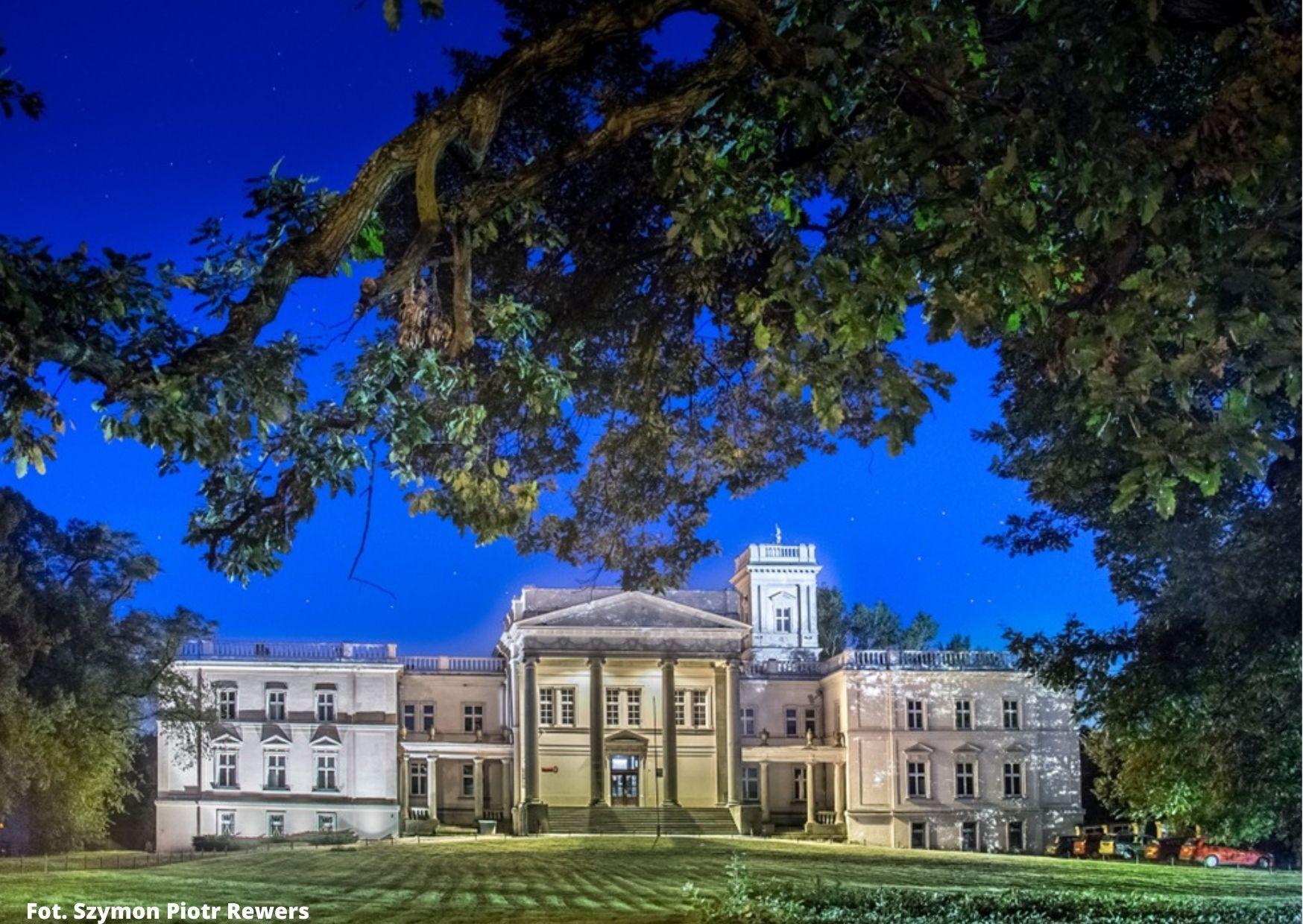
Kościelski Palace in Miłosław is a historic residence of exceptional historical and cultural significance to the region. Successively owned by the Mielżyński and Kościelski families, the palace has served as an important centre of social, cultural, and patriotic life since the 19th century. During the ownership of the Mielżyński family, Miłosław became a meeting place for artists, intellectuals, and supporters of Polish independence. The palace and its surrounding park played a significant role in shaping the cultural identity of the local community. This legacy was continued by the Kościelski family, who reinforced the palace's role as a centre for dialogue, artistic activity, and community life. Both families supported the ideals of Organic Work, promoting the development of education, culture, and the local economy. After the Second World War, the estate was given new functions. Following restoration, the palace was reopened to the local community. Today, it is home to the Miłosław Cultural Centre, which organises cultural, educational, and community events, as well as the Public Library, an important institution promoting reading and cultural engagement. Surrounded by its historic park, the palace remains a lasting reminder of Miłosław's rich heritage.
Blessed Edmund Bojanowski Heritage Foundation
Grabonóg
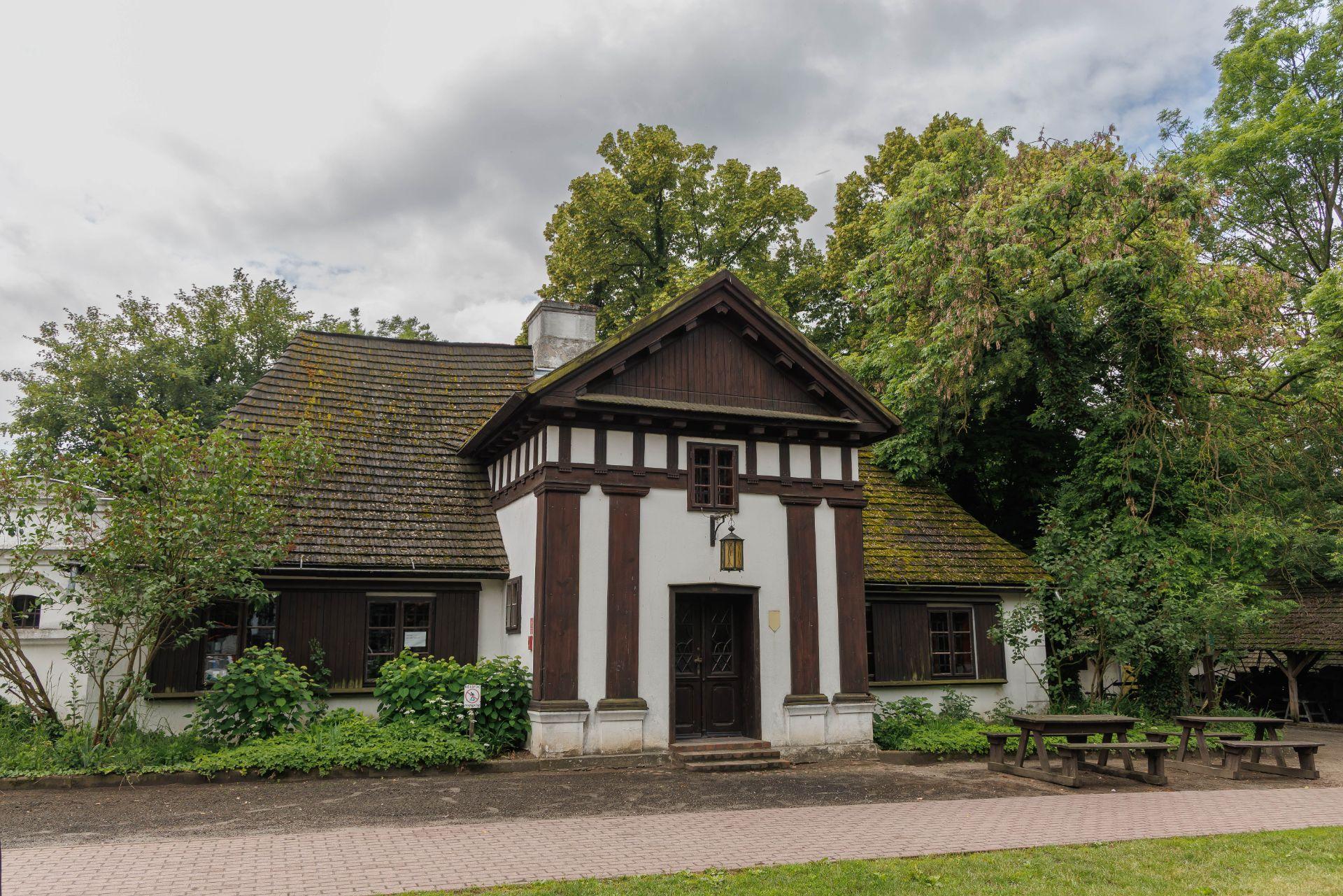
The Blessed Edmund Bojanowski Heritage Foundation was established by the Council of the Federation of the Congregations of the Sisters Servants of the Blessed Virgin Mary as a contemporary continuation of the mission of Blessed Edmund Bojanowski, one of the leading representatives of the Greater Poland organic work movement. The Foundation brings together four autonomous congregations of the Sisters Servants, all of which originated from the rural childcare centres (ochronki) founded by Bojanowski. Its mission is to preserve, promote and creatively develop his spiritual, educational and material heritage in response to the needs of contemporary society. The Foundation supports educational, cultural and social initiatives inspired by Bojanowski’s ideas, promotes the tradition of the ochronki and encourages the involvement of lay people in community life. It also cares for places and historical objects associated with Bojanowski, including coordinating the restoration of his family manor house in Grabonóg, which is being transformed into a cultural and educational centre. In addition, the Foundation organises conferences, retreats, educational events and heritage tours that present the life, work and legacy of Blessed Edmund Bojanowski.
Association of Friends of the Turew Distillery
Turew
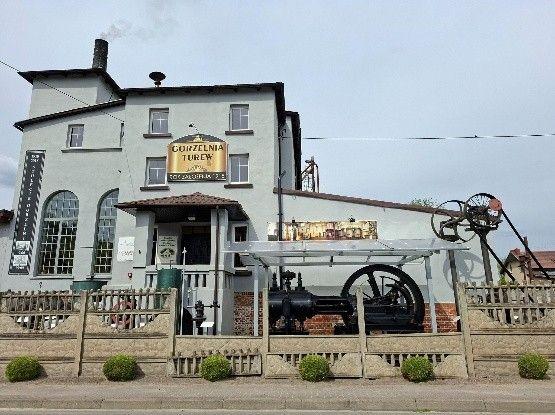
Turew Distillery Museum This museum—unique on a national scale and exceptional within Europe—is housed in the now-defunct Turew Distillery, which operated continuously from 1918 to 2026 (with a break during the war). It was established in 2003 at the initiative of the distillery manager, Grzegorz Konieczny, who had spent years passionately collecting historic equipment and memorabilia related to Polish distilling. The "Friends of the Turew Distillery" Association—a partner on the Organic Work Trail—operates alongside the museum. What is there to see? The museum houses 400 original, cataloged exhibits sourced from private collections as well as from both active and defunct distilleries, including: • distillation apparatus, • pumps and water gauges, • mash vats and strainers, • alcoholmeters and spirit meters, • components of fermentation vats, • documents and tools related to spirit production.
Agritourism at the Rectory
Jaszkowo
Regional Museum in Jarocin
Jarocin