

Co-financed by the Greater Poland Voivodeship Government






News
On the latest updates regarding the Organic Work Trail in the "Zamieniam się w słuch" podcast.
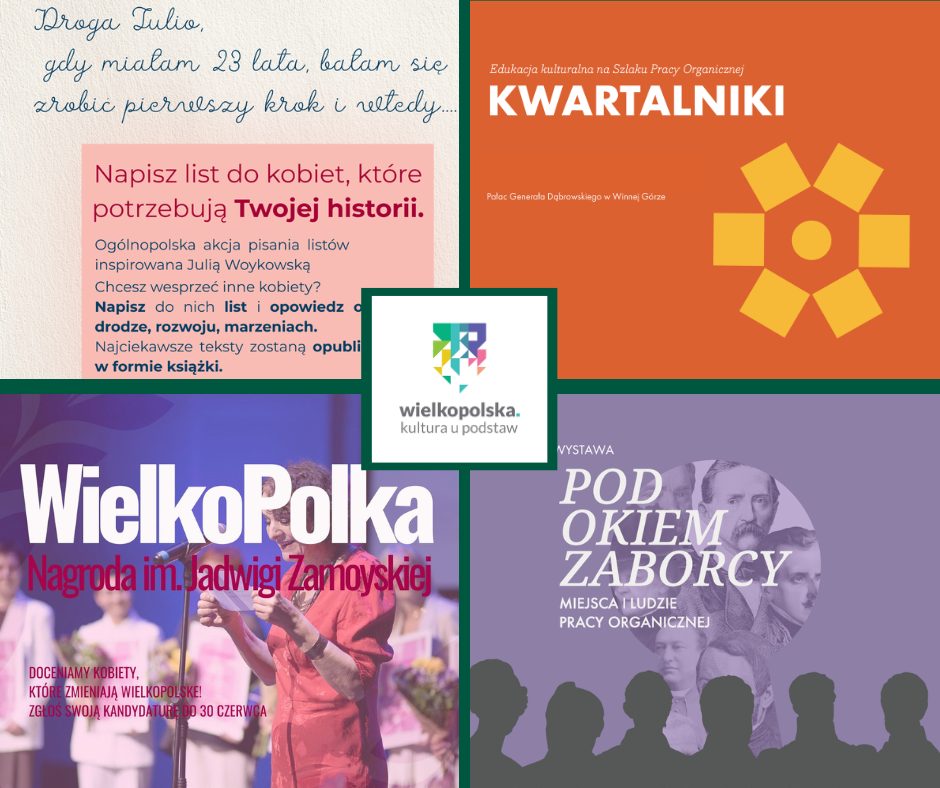
What is currently happening along the Organic Work Trail? Oliwia Olesiejuk, the Trail’s coordinator, discussed the latest projects, events, and initiatives in the "Zamieniam się w słuch" ("All Ears") podcast, hosted by Martyna Nicińska from *Kultura u Podstaw*. The conversation outlined the concept behind the Organic Work Trail and its role in popularizing the legacy of the "organic workers" (grassroots activists) of Greater Poland. It also covered projects currently underway and plans for the coming months. In the podcast, you will hear about, among other things: - the "Letters to Julia" project, inspired by Julia Woykowska, which encourages women across Poland to share their stories through letters, - murals commemorating Greater Poland’s organic work activists, including Zofia Lipska in Lewków, - educational meetings for young people known as "Kwartalniki" (Quarterlies), where the ideals of organic work are translated into contemporary challenges and skills, - the "Under the Partitioning Power's Eye" exhibition, which presents figures associated with the organic work movement in a unique format, - the "WielkoPolka – Jadwiga Zamoyska Award" competition, which promotes contemporary women from Greater Poland who are active in their communities. The conversation demonstrates that the ideals of organic work are not merely a thing of the past—they continue to inspire social, educational, and cultural initiatives throughout the region. We encourage you to listen to the podcast!
"Letters to Julia" – A Nationwide Letter-Writing Initiative Inspired by Julia Woykowska
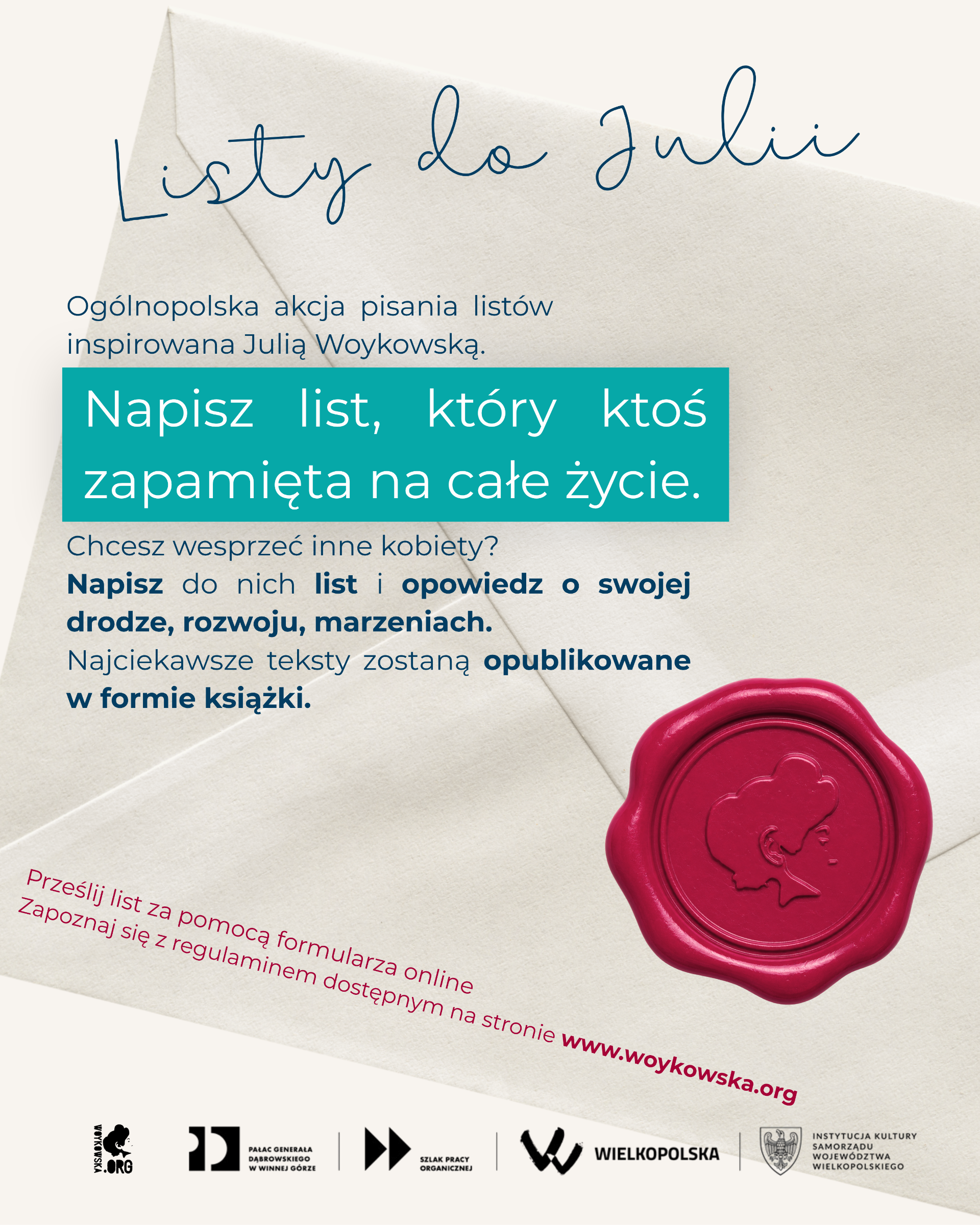
We invite women from across Poland to participate in "Letters to Julia", a nationwide letter-writing initiative inspired by Julia Woykowska, one of the most remarkable representatives of the organic work movement in 19th-century Greater Poland. Organized by the Julia Woykowska Foundation as part of the "Organic Work – The Heritage of Greater Poland" Programme (3rd edition), the project aims to revive the memory of Julia Woykowska, promote the values of organic work, and create a space for dialogue, solidarity, and mutual support among women. Participants are invited to submit a letter reflecting their personal experiences, aspirations, and perspectives. The most compelling entries will be published in a unique illustrated book, scheduled for release in December 2026. Letter Categories Participants may submit one letter in one of the following categories: - A letter of support to another woman or women – a manifesto of solidarity. - A letter about your journey to where you are today – a reflection on personal growth. - A letter about your dreams – looking towards the future. - A letter to your younger or older self – an intergenerational dialogue.
The Organic Work Trail is the patron of the 4th edition of the "WielkoPolka – Jadwiga Zamoyska Award" competition, organized by the Zakłady Kórnickie Foundation.
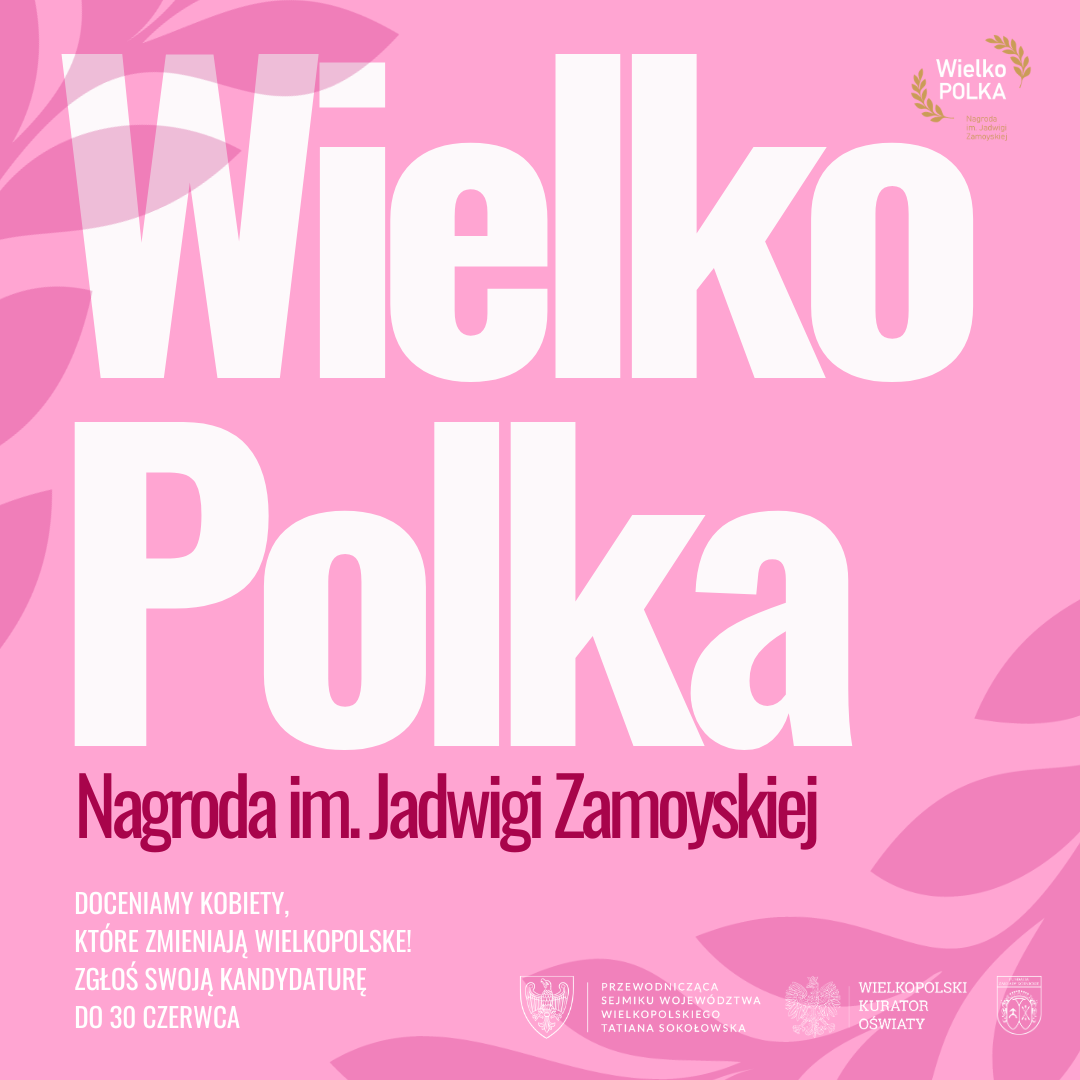
The Organic Work Trail is patronizing the 4th edition of the "WielkoPolka – Jadwiga Zamoyska Award" competition, organized by the Zakłady Kórnickie Foundation. Inspired by the figure of Jadwiga Zamoyska, the competition aims to recognize women from the Greater Poland region who, through their scientific, educational, social, or business activities, make a tangible impact on the region's development and inspire others to take action. Awards are presented in three categories: • social activity, • entrepreneurship, • education. Winners will receive the "WielkoPolka – Jadwiga Zamoyska Award" statuette and a cash prize. The submission deadline is June 30; detailed information and the application form are available at: wielkopolka.fzk.pl As part of this collaboration, the "Szlak Pracy Organicznej" will support the promotion of the competition and its underlying mission, while also encouraging nominations of exceptional women from the region.
Public debate: "What is—or should be—organic work today?"
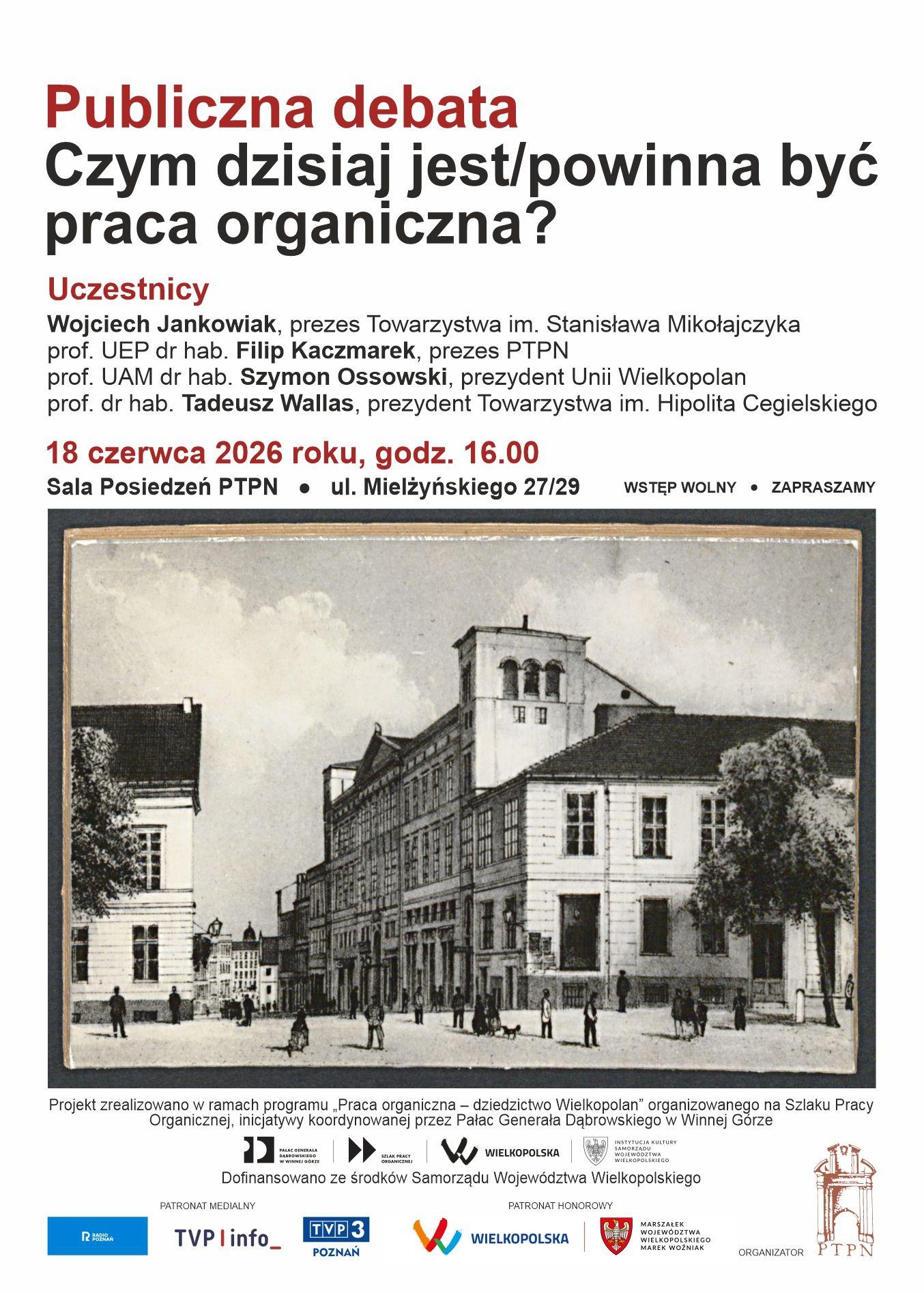
We cordially invite you to a public debate on the contemporary significance of the concept of "organic work" and its role in modern society. The event will offer an opportunity to reflect on how the values championed by the "organic workers" of Greater Poland can inspire social, economic, and civic initiatives in the 21st century. The debate will feature: Wojciech Jankowiak – President of the Stanisław Mikołajczyk Society, Prof. Filip Kaczmarek (UEP) – President of the Poznań Society of Friends of Sciences, Prof. Szymon Ossowski (UAM) – President of the Union of Greater Poland Residents (Unia Wielkopolan), Prof. Tadeusz Wallas – President of the Hipolit Cegielski Society. Date: June 18, 2026 (Thursday), 4:00 PM Venue: Meeting Hall of the Poznań Society of Friends of Sciences, 27/29 S. Mielżyńskiego Street, Poznań (entrance to the hall from the courtyard, on the left). Admission is free.
Unveiling of a mural dedicated to Zofia Lipska in Lewków
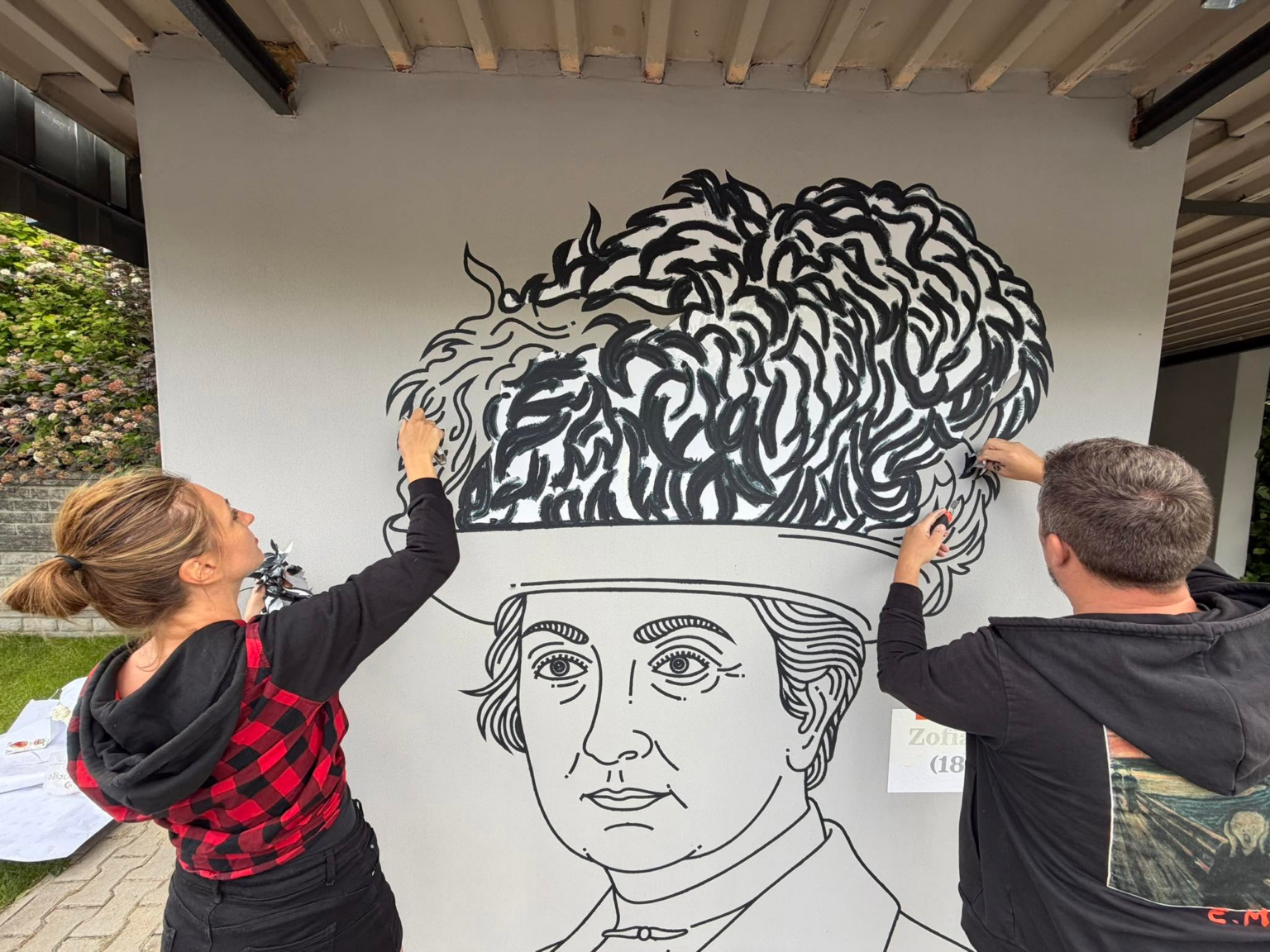
As part of the "Organic Work – The Heritage of the People of Greater Poland" project, a mural dedicated to Zofia Lipska—a social activist, educator, and proponent of "organic work" associated with the Lewków estate—was ceremoniously unveiled in Lewków. The mural was designed and executed by Konrad Moszyński, the artist behind an earlier mural in Czekanów depicting Wojciech Lipski. The new artwork adorns the wall of a renovated bus stop in Lewków, serving as another tribute to individuals who, through their daily work and dedication, contributed to the development of the local community. The ceremony highlighted the life and work of Zofia Lipska, who undertook numerous social and educational initiatives for the benefit of the residents of Lewków and the surrounding area. Her efforts included promoting literacy, managing a library, providing care services, and spearheading initiatives to improve the local community's quality of life.
QUARTERLIES
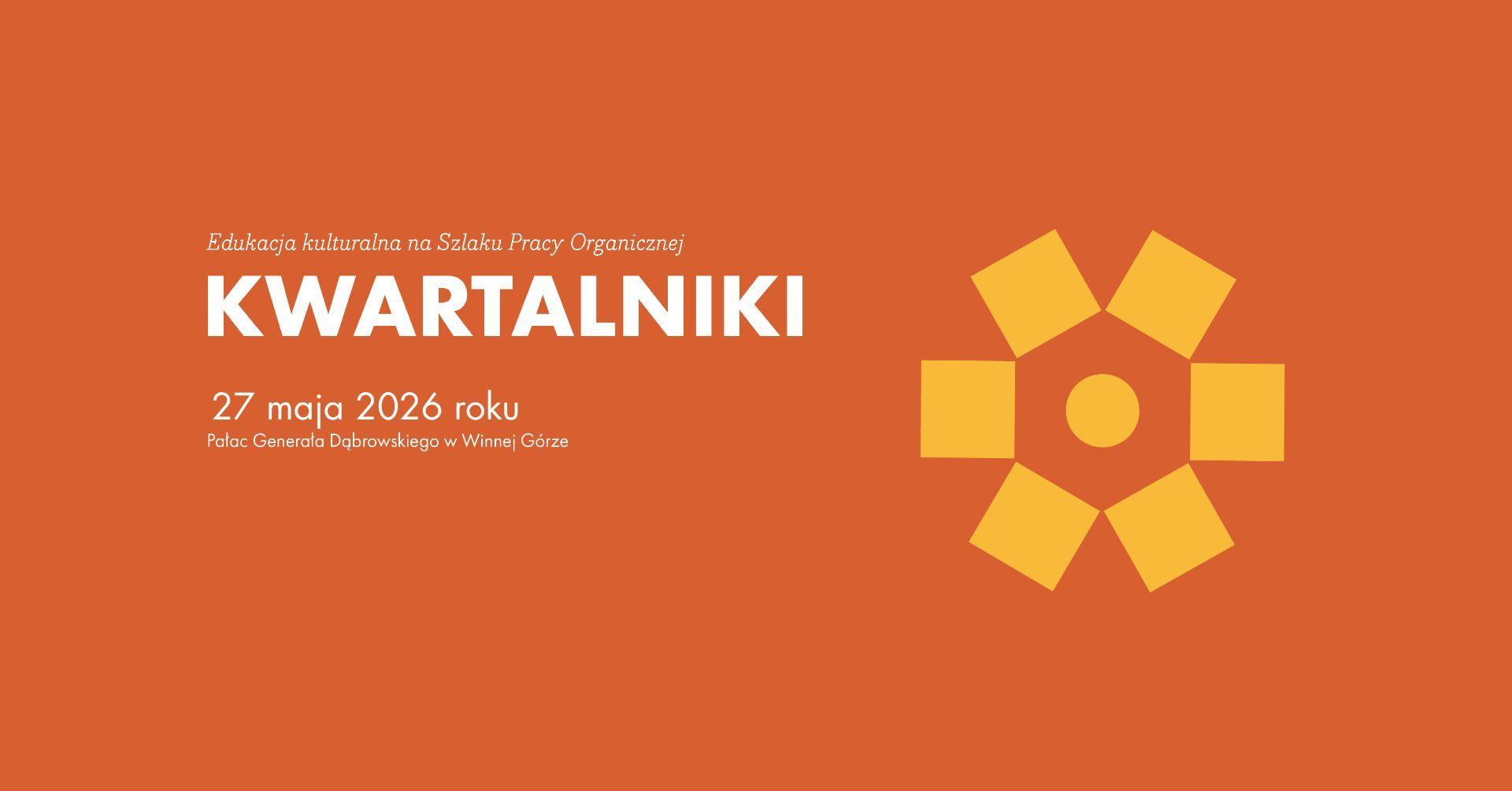
What are the *Kwartalniki* (Quarterly Meetings)? As the name suggests, we meet every quarter at the Palace in Winna Góra—the headquarters of the institution coordinating the Organic Work Trail—to explore the contemporary potential of the stories, values, and ideas associated with the organic work movement. How do we do it? We draw inspiration! We revisit the actions of figures linked to the organic work movement—let these pioneers become our modern-day role models. We reflect on ways to commemorate them, apply the strategies behind their achievements to current issues, and highlight lesser-known aspects of their biographies. We modernize! We translate the values and ideas of the organic work movement (such as grassroots education, community-oriented action, equal opportunities, and work culture) into solutions for today’s challenges—ranging from large-scale issues to our own daily struggles. We grow! We tap into the expertise of the Trail’s community—educators, regionalists, art historians, historians, cultural activists, social activists, entrepreneurs, and cultural institution staff—to gain new knowledge and practical skills through workshops, discussions, and shared meals. Following the example of the organic work pioneers, we share our own resources and skills with others to foster mutual growth and strive for the common good.
QUARTERLIES
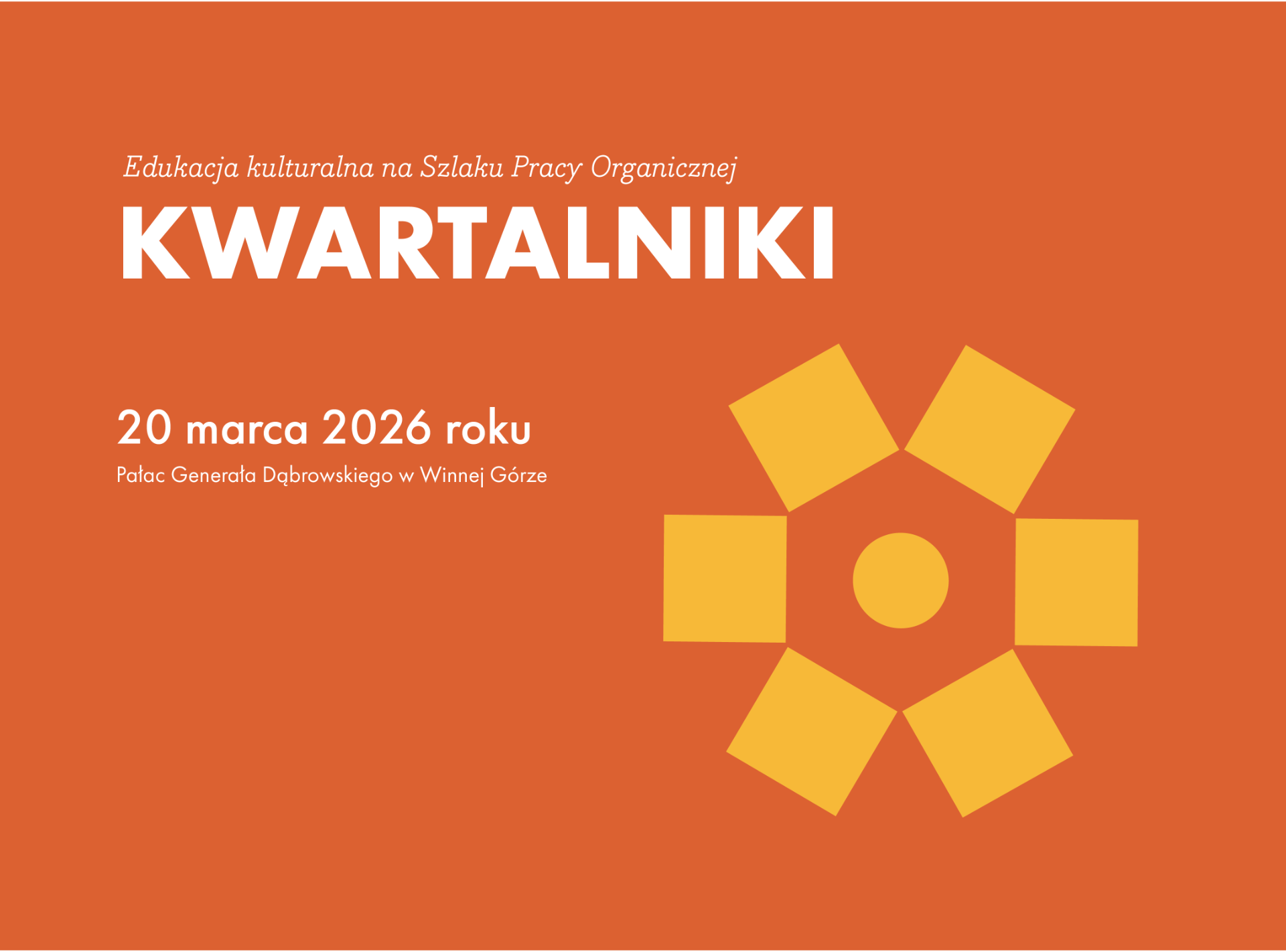
What are the Quarterly Meetings? As the name suggests, we meet every quarter at the Palace in Winna Góra—the headquarters of the institution coordinating the Organic Work Trail—to explore the contemporary potential of the stories, values, and ideas associated with the organic work movement. How do we do it? We draw inspiration! We revisit the actions of figures linked to the organic work movement—let these pioneers become our modern-day role models. We reflect on ways to commemorate them, apply the strategies behind their achievements to current issues, and highlight lesser-known aspects of their biographies. We modernize! We translate the values and ideas of the organic work movement (such as grassroots education, community-oriented action, equal opportunities, and work culture) into solutions for today’s challenges—ranging from large-scale issues to our own daily struggles. We grow! We tap into the expertise of the Trail’s community—educators, regionalists, art historians, historians, cultural activists, social activists, entrepreneurs, and cultural institution staff—to gain new knowledge and practical skills through workshops, discussions, and shared meals. Following the example of the organic work pioneers, we share our own resources and skills with others to foster mutual growth and strive for the common good.
A new travel podcast!
A new travel podcast has just launched! Explore Wielkopolska along the Organic Work Trail! Along the way, visit picturesque spots, palaces, parks, gardens, and museums. Relax amidst nature, savor local cuisine, and meet the people dedicated to preserving the region's traditions and history. Let yourself be inspired by the Wielkopolska culture of working for the common good!
Przyszłość u podstaw
Poznań
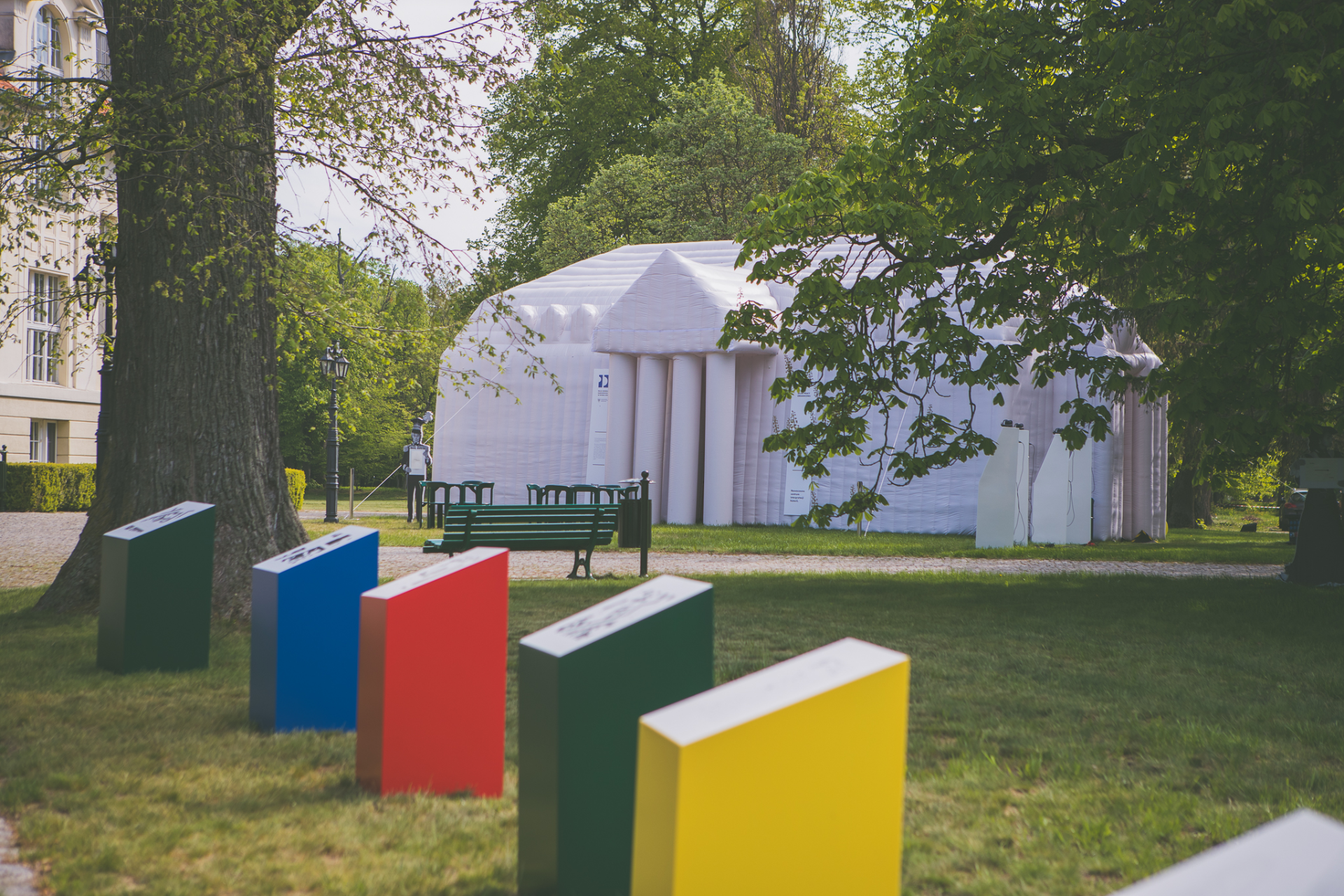
The "Przyszłość u podstaw" mobile exhibition was created by the General Dabrowski Palace in Winna Góra using the latest multimedia technologies. It tells the story of the places and people connected with the movement of organic works, as well as the story of Jan Henryk Dąbrowski, the patron of the institution in Winna Góra. The aim is to encourage joint attempts to answer questions such as: what is the role of a cultural institution today? Can these cultural centres contribute to the formation of civil society? If so, how much responsibility - including political responsibility - does this entail? The exhibition "Przyszłość u podstaw" was the first initiative of the Dąbrowski Palace, coordinator of the Organic Work Trail, to recall the history and herstory of organic work in Wielkopolska.
How can I join the Organic Work Trail?
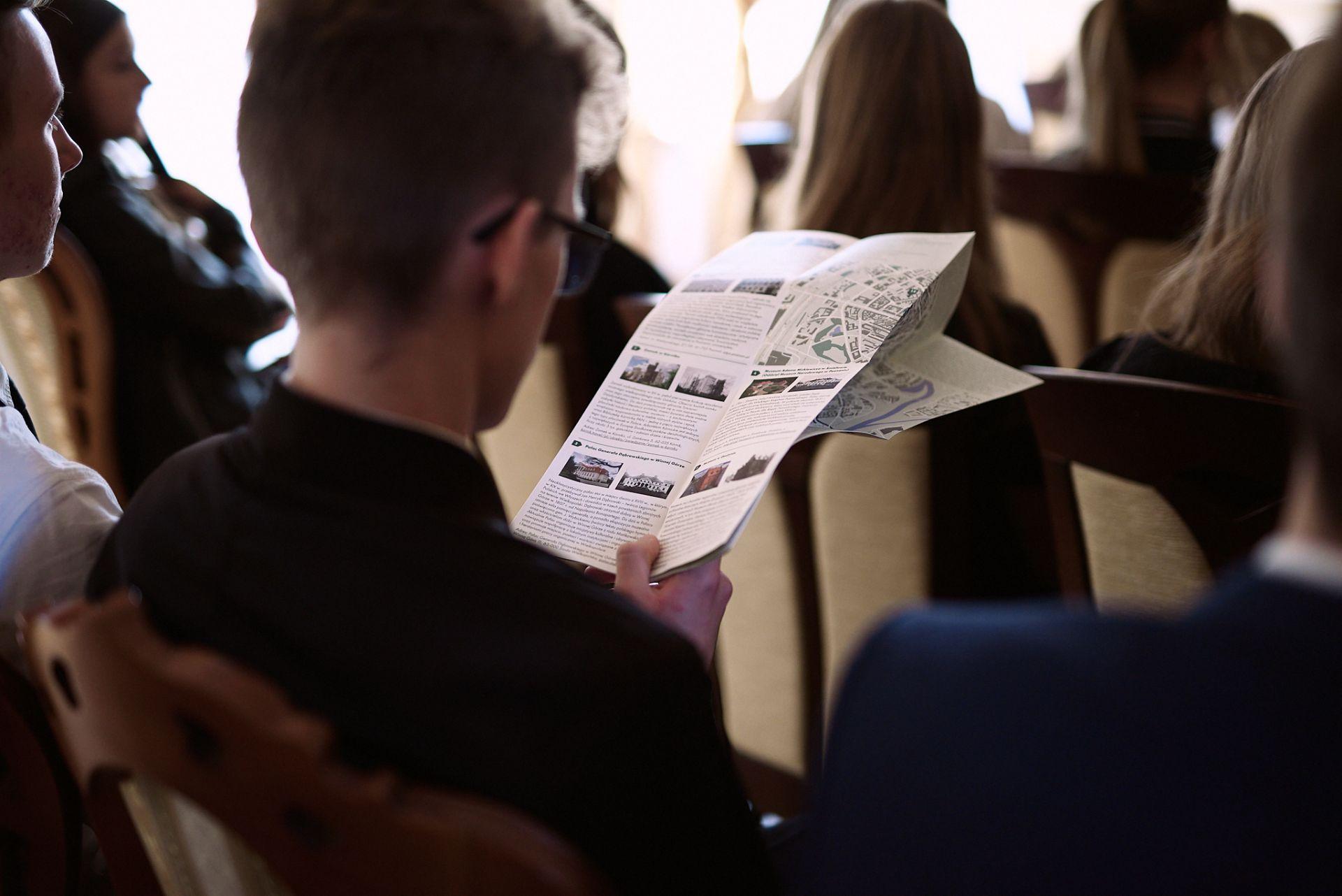
As the Organic Work Trail, we are building a growing community of cultural institutions, NGOs, local government bodies, and—more recently—individual initiatives whose activities are linked to the heritage of Greater Poland’s "organic work" movement. Any such entity can become part of the Trail! So, if you represent a site connected to the history of organic work in Greater Poland, or if you organize activities that can be described as embodying the spirit of organic work today, please get in touch with us!
E-book "On the Path of Organic Work"
Agricultural machinery from the Hipolit Cegielski factory in the collections of the Museum in Szreniawa
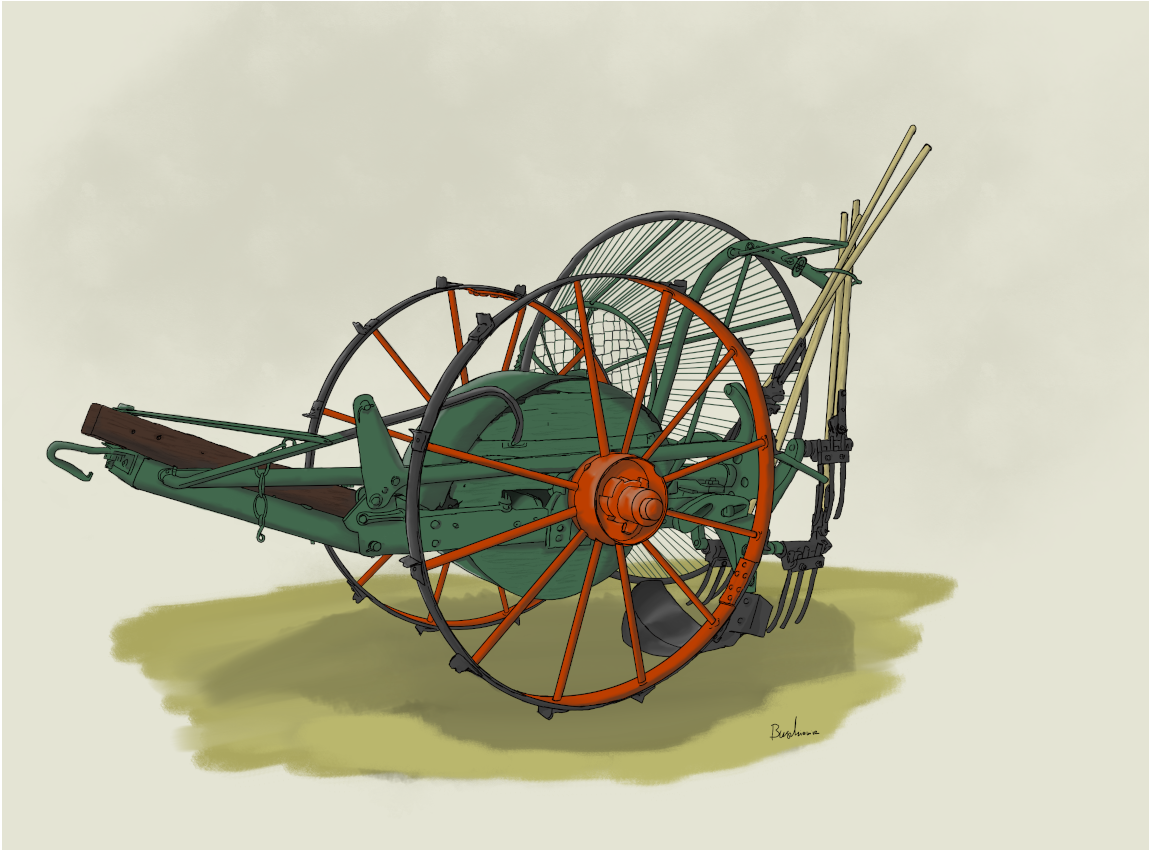
The National Museum of Agriculture in Szreniawa is dedicated to presenting the history of agriculture and the agri-food industry across Polish lands—both historical and contemporary—from prehistory to the present day. Its work encompasses, among other things, the achievements associated with the icons of "organic work" in the Greater Poland region. Indeed, any examination of agriculture and the agri-food industry during the 19th and early 20th centuries would be incomplete without considering the activities of the leaders of this movement in Greater Poland. Given the employment structure of the era, the majority of the region's most prominent proponents of organic work had ties to rural life and agriculture.
Turew Photography Contest
Foundation "Bonum Adipisci - dążyć do dobra"
As part of a project funded by the "Organic Work – The Heritage of the People of Wielkopolska" program (organized by the Organic Work Trail), the "Bonum adipisci" Foundation is preparing a publication dedicated to Turew—the cradle of organic work. We invite you to check out the photography contest announced by the Foundation; the three best photos will be awarded prizes, and other selected entries will be featured in the publication! The deadline for submissions is July 15. More information is available on the Foundation's website.
Turew - kolebka pracy organicznej
Foundation "Bonum Adipisci - dążyć do dobra"
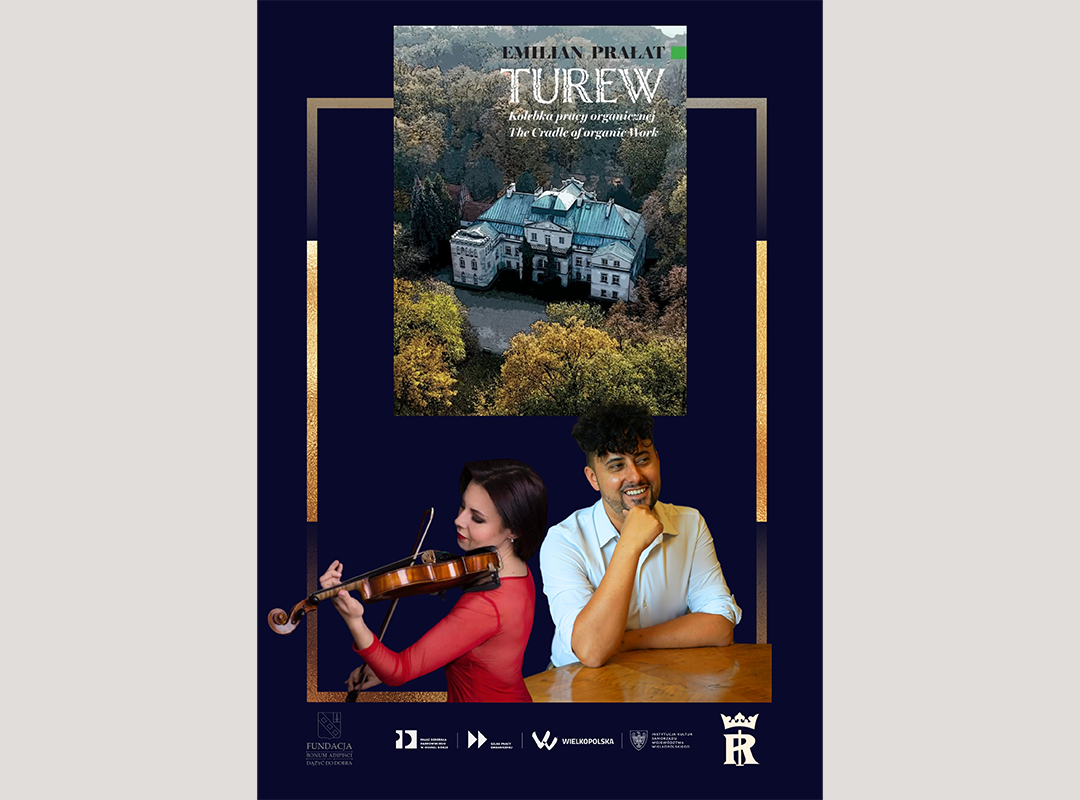
The "Bonum adipisci" Foundation—dedicated to striving for the good—invites you to the presentation of the book *Turew – The Cradle of Organic Work*. This event is part of a project funded by the "Organic Work – The Heritage of the People of Wielkopolska" program, organized by the Organic Work Trail initiative. This unique bilingual (Polish-English) album was created as part of the project "Chłapowski Among Us – Popularizing the Life and Work of Dezydery Chłapowski," carried out under the "Organic Work – The Heritage of the People of Wielkopolska" program and funded by the Local Government of the Wielkopolskie Voivodeship. The album features extensive descriptions and informative texts, as well as remarkable photographs—including images taken by residents of Wielkopolska and selected through a competition organized by the Foundation. The book presentation will take place on February 16, 2025, at 3:00 PM at the Palace in Racot. Further information is available on the Foundation's website.
Nurt Organica in Rogalin
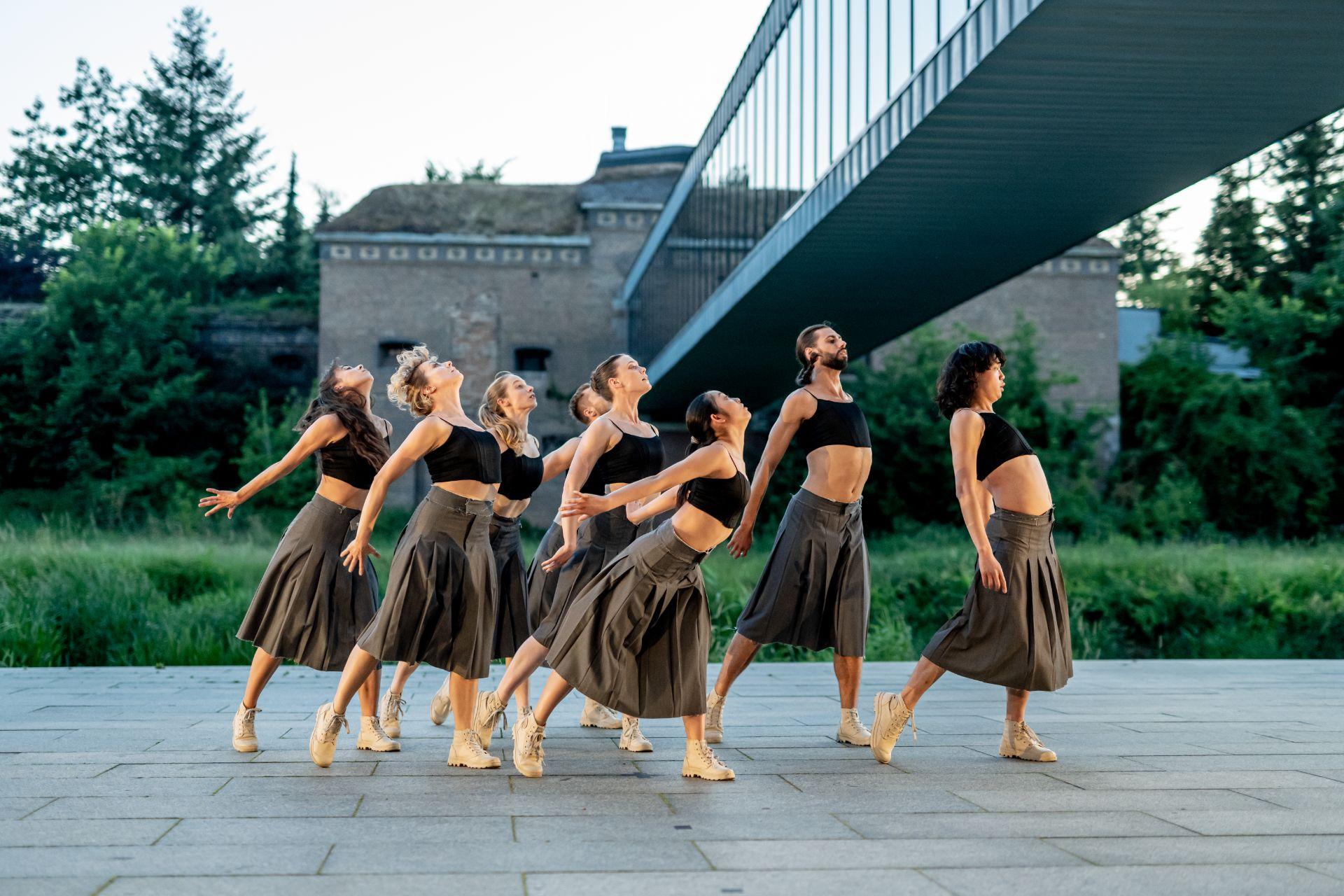
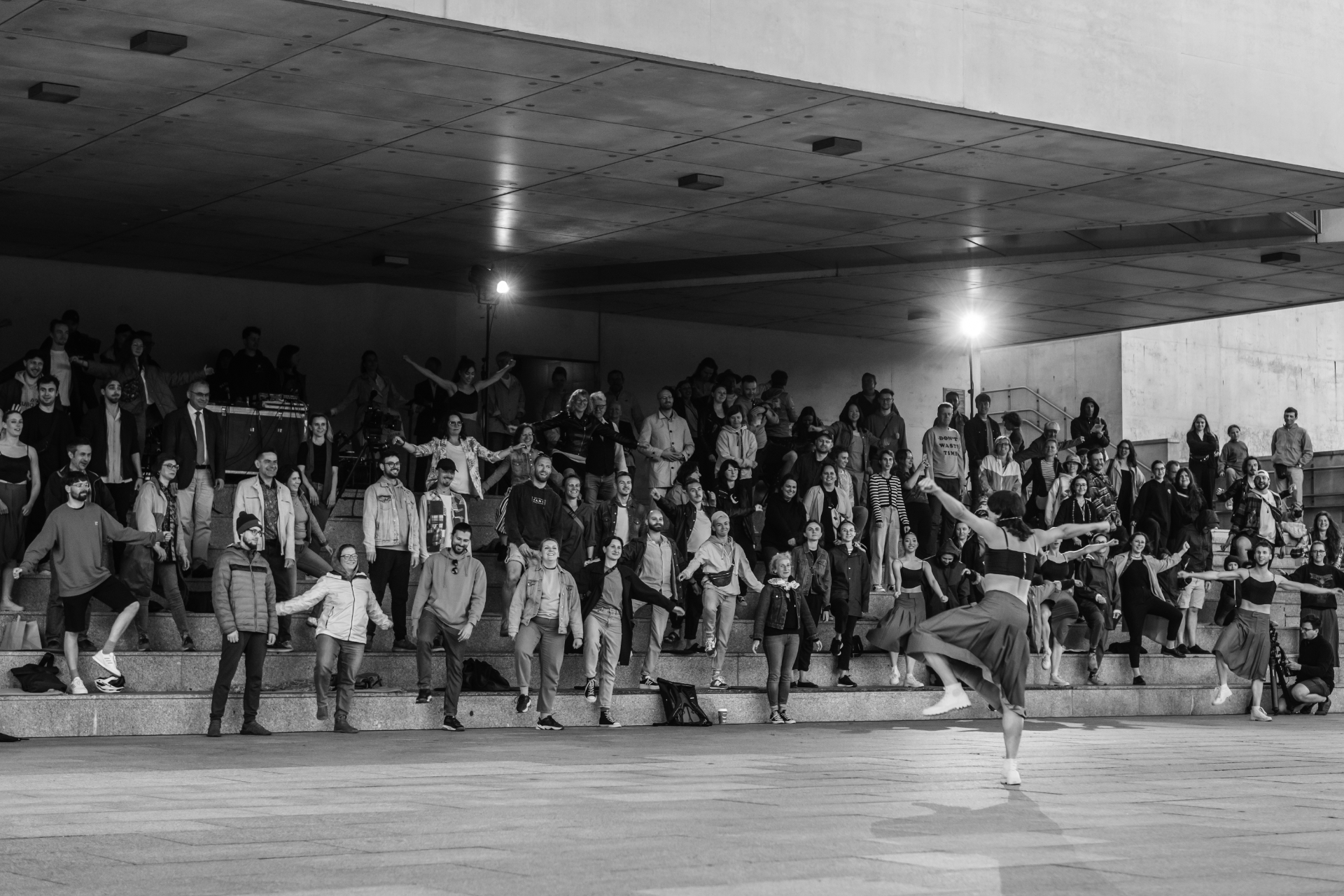
A theatre performance produced in cooperation with dancers of the Polish Dance Theatre, inaugurating the Organic Work Trail, a cultural initiative promoting people, places and values related to organic work in Greater Poland. Curator's description We all associate organic work in Greater Poland not only with building a civil society, foundational education, equalizing opportunities and supporting the fight for workers' rights, but also with caring for the development of culture and the immediate environment. It was the groundwork and paving the bloodless path to freedom that became the foundation of the victorious Greater Poland Uprising and regaining independence. However, are the ideas proclaimed by Emilia Sczaniecka, Karol Marcinkowski and Julia Woykowska still valid today? Professor Anna Wolff-Powęska, an outstanding historian of ideas, writes in the text entitled Dekalog pracy organicznej XXI wieku (“The Decalogue of Organic Work of the 21st Century”): "Fragmented societies without orientation need a new civic activity more than ever in recent decades. Following Barbara Skarga, I believe that citizenship has not only political meaning, but above all moral meaning. It teaches being together, not in a crowd that will soon disperse, but in a community connected by common action and obligations. Only a citizen aware of his duties gives meaning to the community, frees him from loneliness, the feeling of emptiness and teaches solidarity in action.” In the face of many contemporary challenges and threats, such as a war at our borders, the climate crisis, growing inequalities and an aging society, the values espoused over a hundred years ago by forerunners of foundational work are becoming extremely relevant and needed today. In a world where young generations are building - as Zygmunt Bauman wrote - their houses of sand, it is solidarity, equality and freedom that should constitute the lasting foundations of the future. In 2023, the idea of creating a Greater Poland Organic Work Trail will materialize, which will bring the heritage of this unique, socially constructed road to freedom closer to both local communities and guests from other parts of Poland or the world. On the occasion of its opening, artists associated with the Polish Dance Theatre created a unique performance called "Amnis organica", in which they use the language of body and dance to tell what organic work is from their perspective. They talk about the need for unity – a community body composed of individual individuals looking for solidarity, support and security. Because in times of social tensions and "world breakdown", what is organic is community - between people, other beings and the planet. The performance was financed by the Greater Poland Voivodeship Government.
European Heritage Days on the Organic Work Trail
Poznań
The Organic Work Trail is participating in the European Heritage Days, with this year’s theme being "Routes, Networks, and Connections." We invite you to explore the cultural attractions dedicated to Greater Poland’s "organic work" movement in Poznań, Rogalin, and Winna Góra. Details are available in our Events section.
Stories for Young Organicists
"Organic Work – The Legacy of the People of Wielkopolska" Program
"Stories for Young Grassroots Activists" is a series of conversations inspired by women who shaped social life in Greater Poland during the 19th century—women often forgotten or overlooked in history books, whose voices must be heard so we can fully grasp the scope of their actions, commitment, and sacrifice. Yet, we do not want to focus solely on the past; we also want to tell the stories of women active in their communities today, driving organic, grassroots change in the cities, towns, and villages of Greater Poland. We have invited activists, local government officials, and community leaders who can serve as role models and sources of inspiration for young women—and indeed for anyone eager to take action but unsure of where to start.
The Raczyński Library on the Organic Work Trail!
The Trail Community
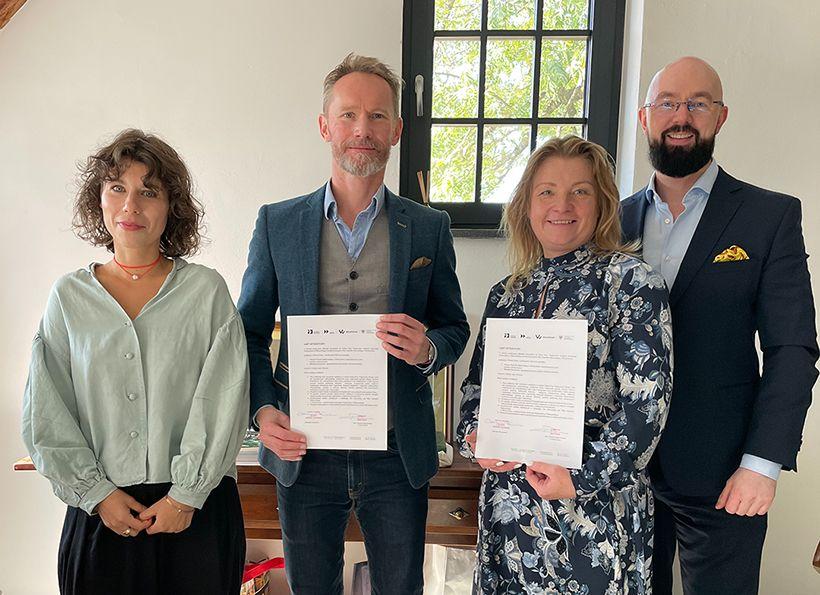
We are delighted to announce that the Raczyński Library has become a new partner of the Organic Work Trail! The official signing of the letter of intent took place on October 1st at the Palace in Winna Góra. The meeting was attended by: Katarzyna Kamińska, Director of the Raczyński Library; Prof. Piotr Pokora (UAM), Representative of the Director for the Development of the Collections Department; Oliwia Olesiejuk, Coordinator of the Organic Work Trail; and Marek Roman, Director of the General Dąbrowski Palace in Winna Góra.
Organic Work: The Legacy of the People of Greater Poland
Program results
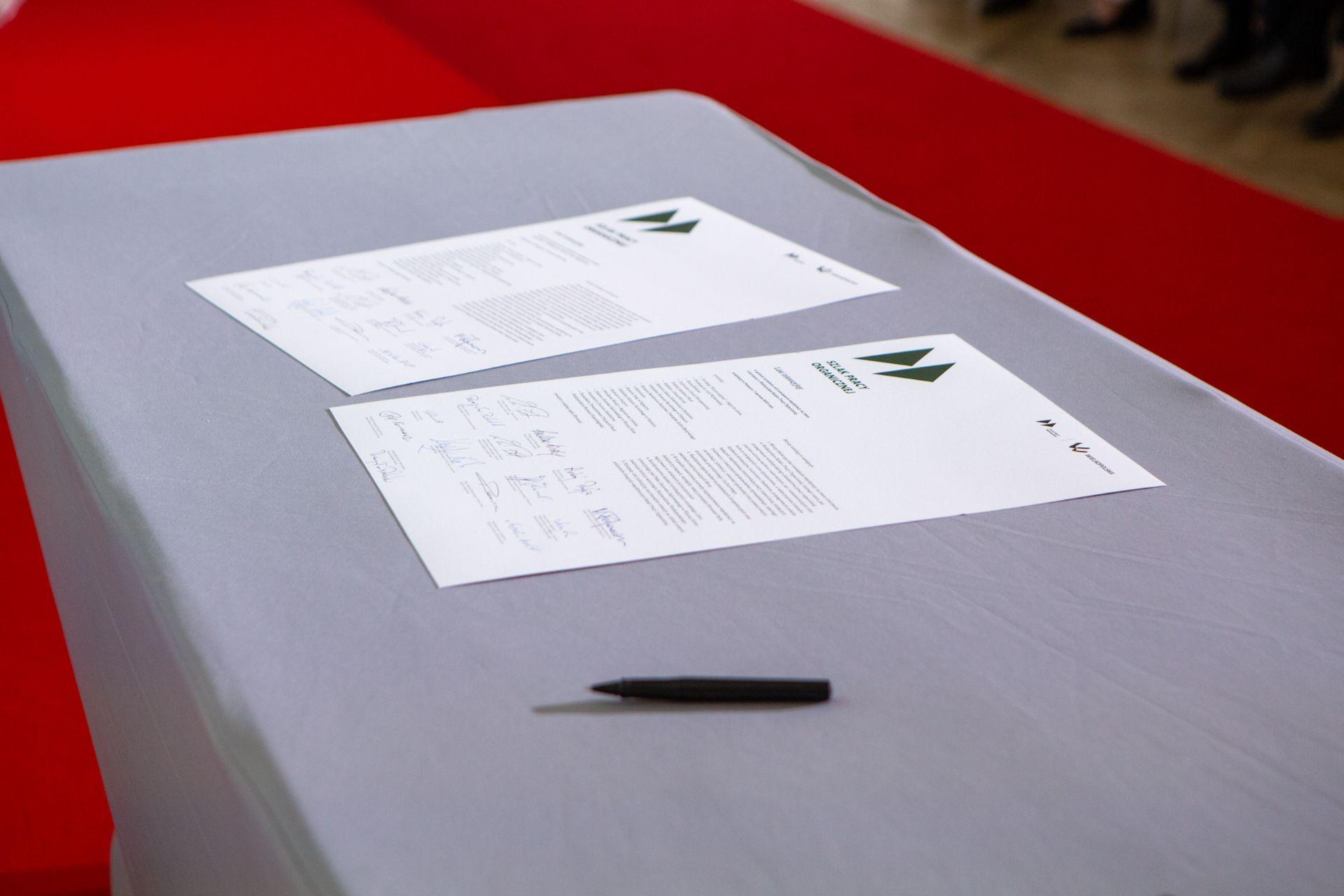
This year, for the first time, partners of the Organic Work Trail (*Szlak Pracy Organicznej*) were able to participate in the "Organic Work – The Heritage of the People of Greater Poland" program, which funds cultural, artistic, and educational activities linked to the region's legacy of grassroots "organic work." The program’s second and final stage concluded in early July, with partners receiving funding for projects totaling 300,000 PLN. The events are scheduled for 2024. We encourage you to follow the Organic Work Trail website and social media channels for updates on current activities along the trail!
New partners on the Organic Work Trail!
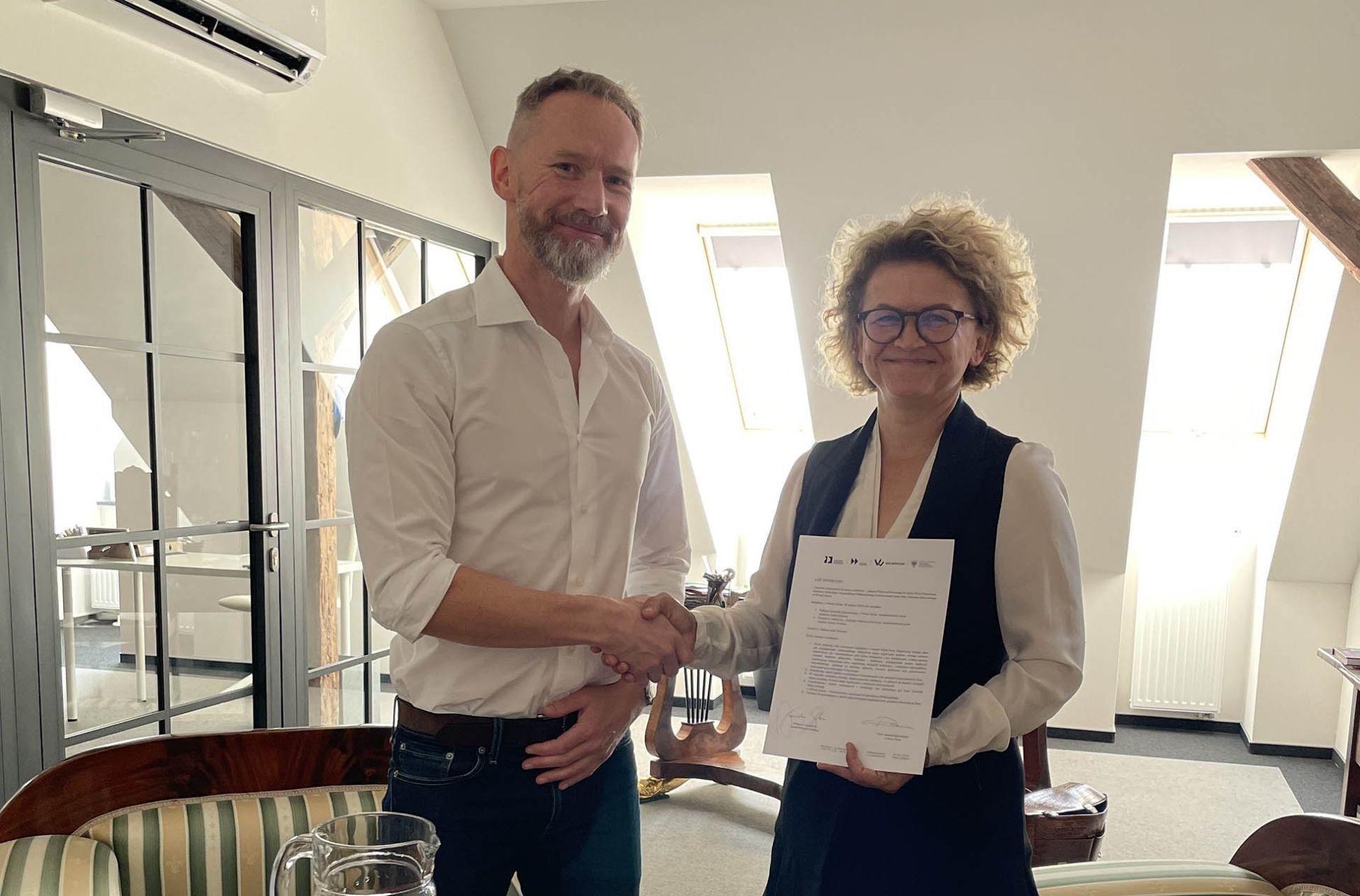
Z przyjemnością informujemy, że do społeczności Szlaku Pracy Organicznej dołączyło dwoje nowych partnerów! Witamy Muzeum w Lewkowie - Zespół Pałacowo-Parkowy i PAN Bibliotekę Kórnicką w społeczności Szlaku! Już niebawem na naszej stronie znajdą Państwo więcej informacji o nowych miejscach na Szlaku, przygotowujemy także zaktualizowaną mapę w wersji drukowanej i elektronicznej.
Chłapowski is among us!
Historical reenactment, workshops, lectures
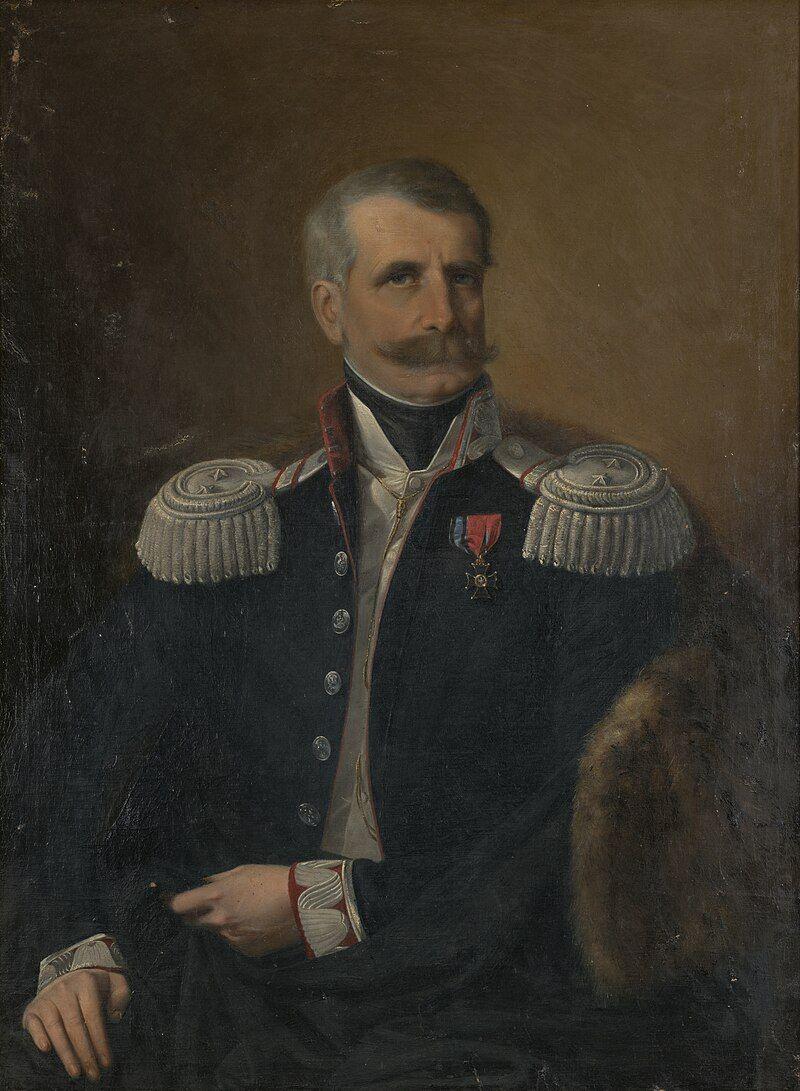
On August 25, the Palace in Kopaszewo will host events celebrating the legacy of General Dezydery Chłapowski, a pioneer of "organic work" in the Greater Poland region! The program features a range of attractions centered on the theme of Greater Poland's organic work movement: A presentation of a replica of General Chłapowski’s uniform A talk on General Chłapowski combined with a lecture on historical costume design – Dr. Emilian Prałat & Anna Moryto A reenactment featuring participants in 19th-century attire – "The Chłapowskis' Guests and Organic Work Activists" Workshops and interactive activities dedicated to the concept of organic work
A GREAT DEAL OF PEOPLE
Poznań
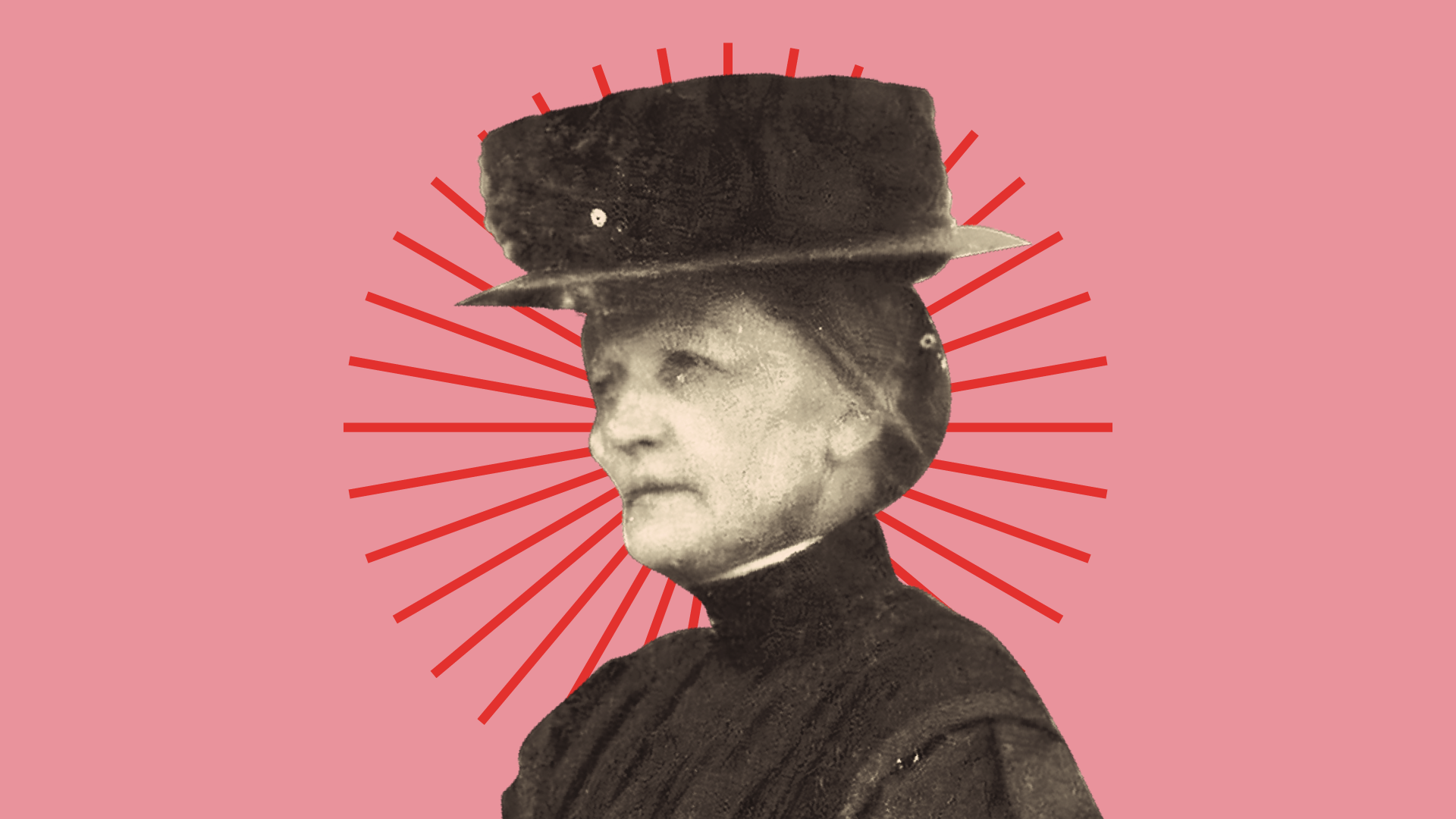
“A Great Deal of People” presents the genesis and historical context of organic work in the Prussian partition in the 19th and 20th centuries, and above all, it is a story about the heroes of organic work and the social projects they implemented. Walking through the streets of Poznań, as well as many other cities in Greater Poland, we pass traces of the life and work of extraordinary Poles who called themselves organic workers. They left behind not only specific architectural objects and institutions that are still active today, but - more importantly - their activities contributed to the creation of the ethos of the people of Greater Poland. The exhibition “A Great Deal of People. Heroes of Organic Work in Greater Poland” and the accompanying educational program are intended to revive the history of those who, in the 1830s and 1840s, decided to oppose the Prussian invaders in the Grand Duchy of Poznań and work to strengthen the economic and cultural potential of Polish society. The special value of the “A Great Deal of People” project is the cooperation established by the Greater Poland Independence Museum in Poznań with General Dąbrowski's Palace in Winna Góra and institutions belonging to the Organic Work Trail. The Organic Work Trail is an initiative of the Local Government of the Greater Poland Voivodeship, which brings together institutions, non-governmental organizations and local government units related to the idea and heritage of organic work. The exhibition “A Great Deal of People - heroes of organic work in Greater Poland in the 19th century” was co-financed by the Ministry of Culture and National Heritage and the Local Government of the Greater Poland Voivodeship.
Women – Heroines of Grassroots Work
Lwówek
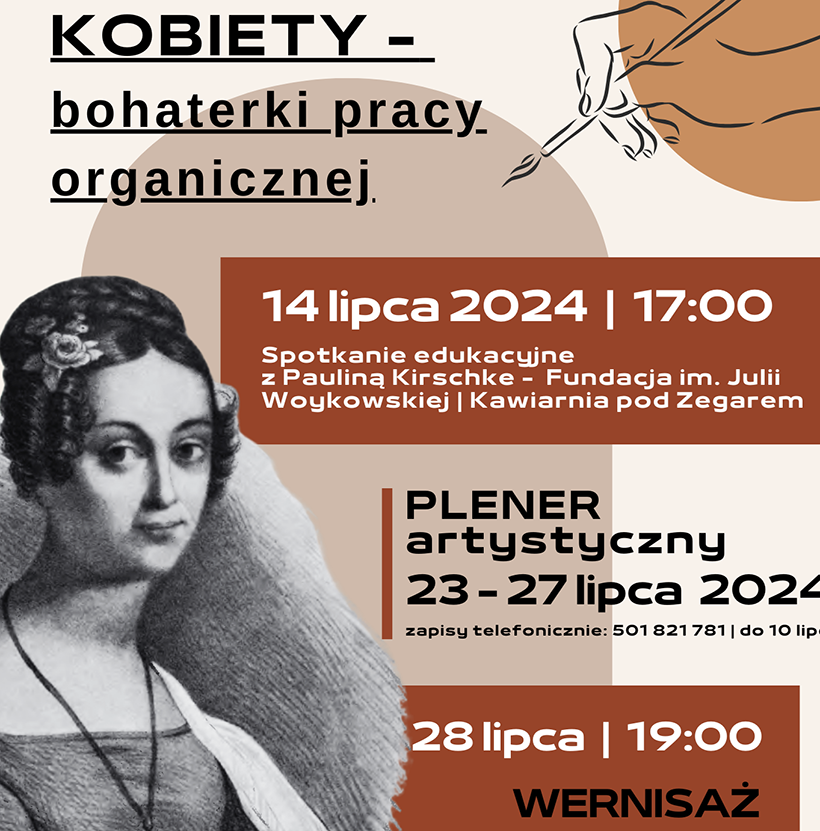
Miejsko-Gminny Ośrodek Kultury w Lwówku zaprasza na PLENER ARTYSTYCZNY "Kobiety - bohaterki pracy organicznej". Organizatorzy zapewniają nadzór merytoryczny oraz pełen dostęp do materiałów artystycznych. W ramach pleneru odbędą się inspirujące spotkania oraz warsztaty. Na zakończenie odbędzie się wernisaż na lwóweckim Rynku. Osoby zainteresowane proszone są o zapisy do 10 lipca. Szczegóły można uzyskać telefonicznie: 501 821 781. W programie przewidziano: 14 lipca - spotkanie edukacyjne z Pauliną Kirschke, prezeską Fundacji im. Julii Woykowskiej. 23-27 lipca - plener artystyczny 28 lipca - podsumowanie pleneru, wernisaż i koncert. Wydarzenie finansowane jest w ramach programu "Praca organiczna - dziedzictwo Wielkopolan", realizowanego w ramach Szlaku Pracy Organicznej. Projekt dofinansowano ze środków Samorządu Województwa Wielkopolskiego