
Co-financed by the Greater Poland Voivodeship Government






Szlak pracy
organicznej

The Poznań Society of Friends of Learning
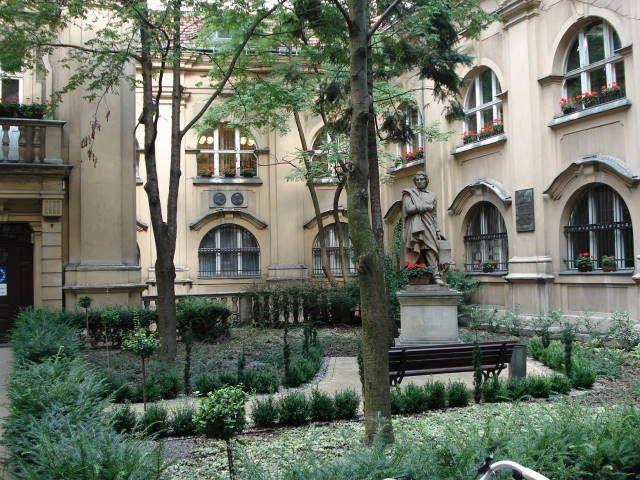
The Poznań Society of Friends of Learning met for the first time in 1857. The presidents of the organization were the following organic work heroes: August Cieszkowski, Tytus Działyński, Karol Libelt, Stanisław Końmian and archbishop Edward Likowski. The Society's great benefactor was Seweryn Mielżyński, who donated his valuable art, archaeological and numismatic collections to it. The first members of the Society were concerned with the protection and development of endangered national culture and science in the Prussian partition, where it was impossible to establish and operate a Polish university. Initially mainly a humanistic and artistic association, it began to expand its scientific fields. After gaining independence, the Society's activity led to the establishment of a university in Poznań.
Polish Theatre
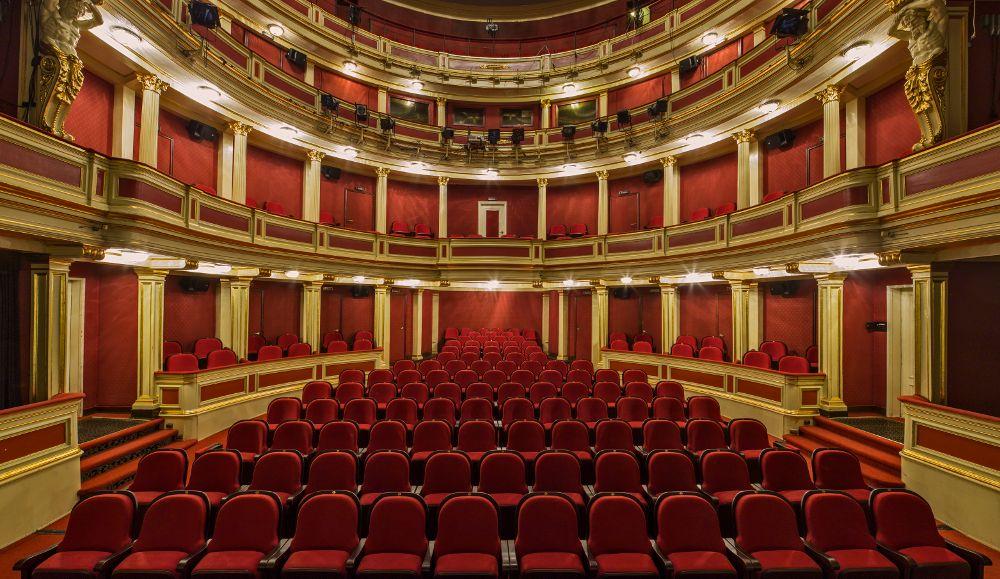
The establishment of the Polish Theatre was made possible by the 1869 repeal of the so-called "trade law," which had required official authorization for performances in languages other than German. A Provisional Commission for the establishment of a Theatre Committee was formed as early as November 26, 1869, followed on December 1 of that same year by the Theatre Committee itself, with the aim of constructing a theatre building. Concurrently, starting in 1870, performances were launched at the Municipal Theatre (now the Grand Theatre); the 1870 season opened with Aleksander Fredro’s *Zemsta* (The Vengeance). The performing troupe eventually came under the financial patronage of the Theatre Committee, which transformed into a joint-stock company on April 22, 1871, under the name "Polish Theatre in the Potocki Garden" (named after the garden donated to the committee by Bolesław Potocki). Thanks to share sales, the company purchased a property on Berlińska Street (now 27 Grudnia Street) from Stanisław Hebanowski before the end of 1871. The Potocki Garden was sold, and construction began based on a design provided pro bono by Hebanowski. Building work took place between 1872 and 1875. The ceremonial inauguration of the stage took place on September 25, 1875, featuring a repeat performance of Fredro’s *Zemsta*, as well as a polonaise by Frédéric Chopin and a composition by Henryk Jarecki. Despite the successful debut, the company faced financial difficulties; a loan had to be taken out in 1874, which was subsequently repaid through a public fundraising campaign. Ultimately, a second company—"Pomoc" (Aid)—was established in 1890; thanks to it, a hotel, a ballroom, and a tenement house with retail spaces were built on the land adjacent to the theater. After Poland regained its independence, the theater continued its operations and successfully competed with the avant-garde Teatr Nowy and other stages in Poznań. From 1925 onwards, the shortened name "Teatr Polski w Poznaniu" (Polish Theatre in Poznań) was used. The theater remained closed during World War II and was nationalized in 1946. It remained a public theater after 1989. In 2004, Teatr Polski was named the best repertory theater in Poland by the monthly magazine *Teatr*.
Raczyński Library
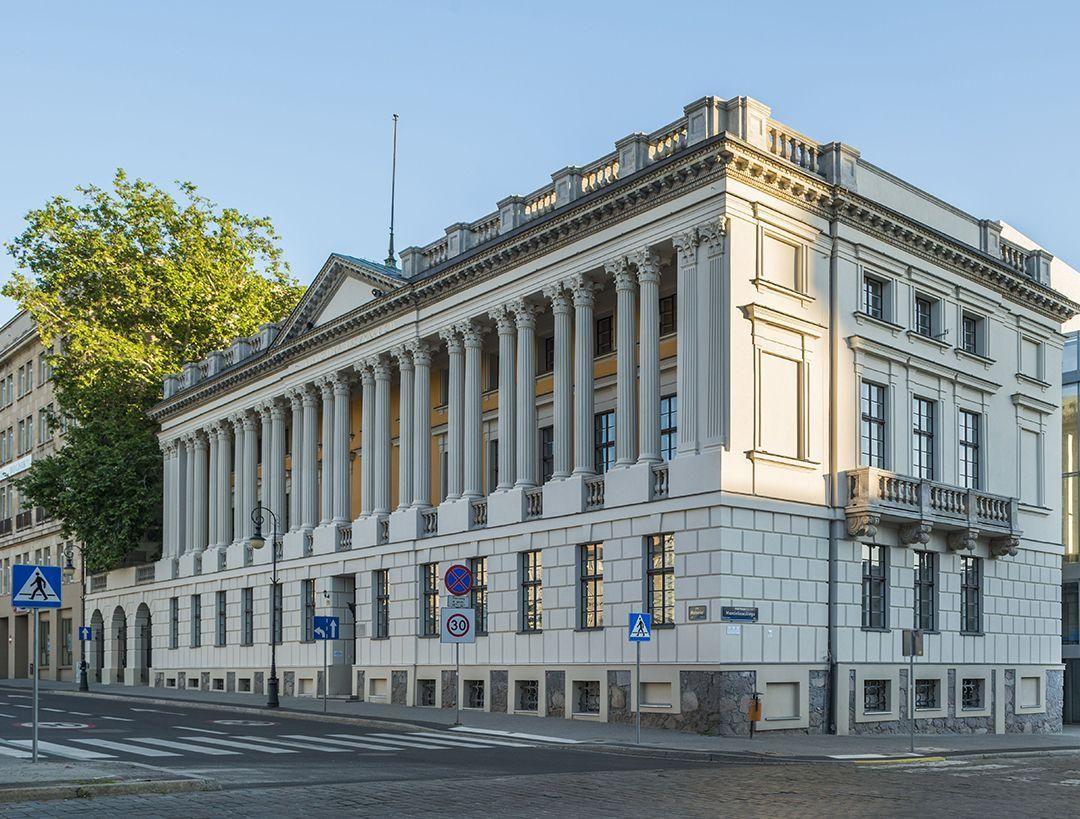
The Raczyński Library was erected in Poznań between 1822 and 1828 and opened in May 1829. Its founder and initiator was Count Edward Raczyński, who established its public character from the very beginning. The library's façade was designed based on the eastern façade of the Louvre in Paris. It was the first building on Polish soil constructed specifically for library purposes. Initially, the collection consisted of family holdings, which were gradually enriched with valuable manuscripts, early printed books, and cartographic materials—including items from the collection of Julian Ursyn Niemcewicz. Today, the library's most precious treasures include incunabula (books printed before 1500) and the first edition of Nicolaus Copernicus’s *De revolutionibus orbium coelestium* (On the Revolutions of the Heavenly Spheres). Another treasure is the only surviving copy of the so-called "Hussite Hymnal"—a collection of songs published in Prague in 1541, the entire original print run of which was destroyed by fire during the Counter-Reformation. During the interwar period, the library's collection expanded to include works from all fields of knowledge, in keeping with its status as a public library. Destroyed during World War II, the library was rebuilt in the 1950s, and its structure was expanded to include a network of branches and museum facilities. In 2013, the building was extended with a new wing housing reading rooms, lending areas, and storage facilities. Today, the Raczyński Library comprises a historic yet modern building in the center of Poznań, 35 branches, and Poland's largest network of automated book lockers, consisting of 11 units. The Library’s tasks include building and making its collections available, conducting research on special collections and literary legacies, and promoting reading and culture through events aimed at readers of all ages. The Raczyński Library is the oldest public library in Poland still in operation today.
Poznań Bazaar
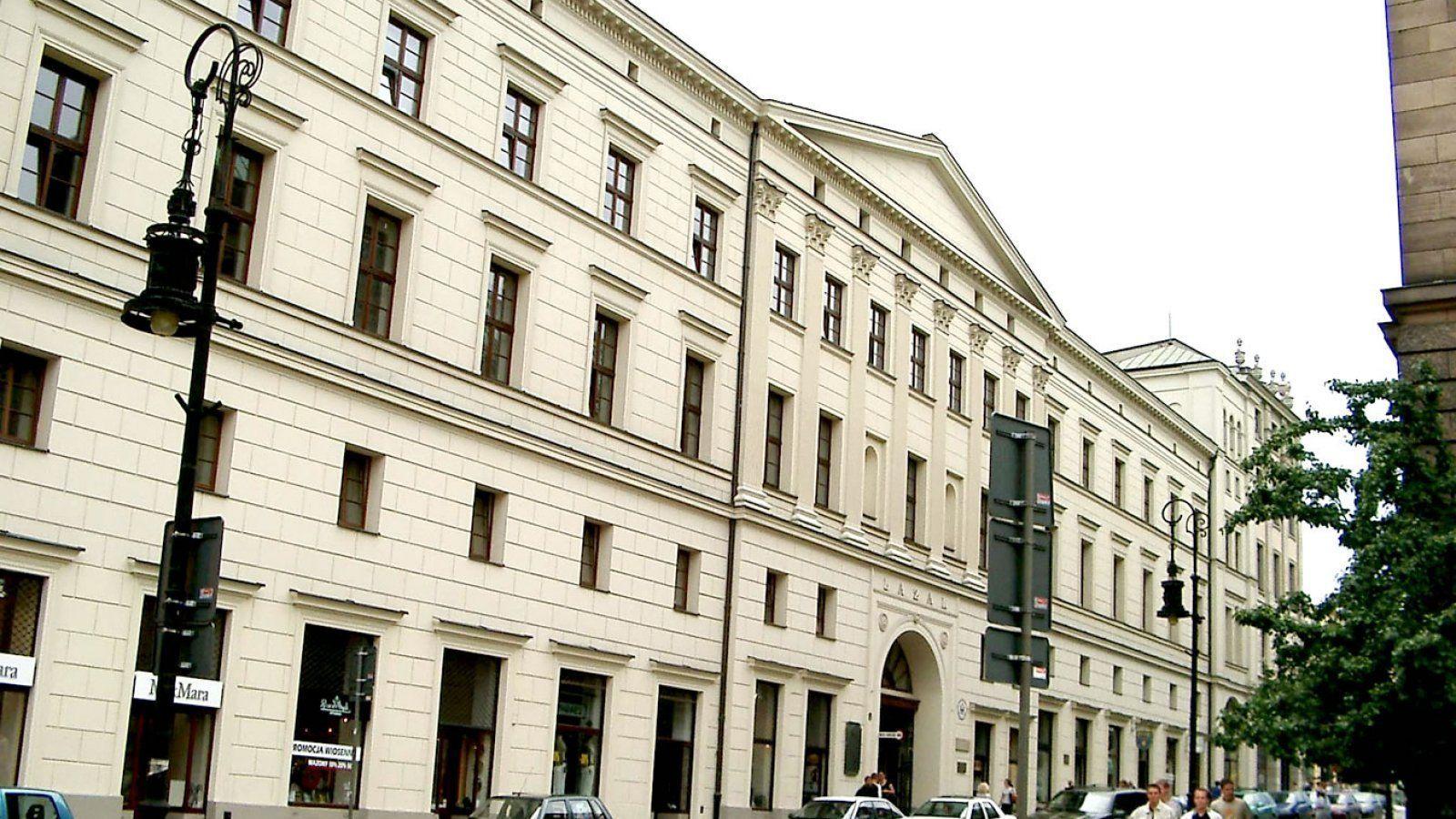
The establishment of the Bazar was the result of efforts by Poznań’s Polish residents to compete economically with the German population. The initiative came from Karol Marcinkowski, a physician and social activist, who founded the Bazar Joint-Stock Company on June 26, 1838. A group of 146 shareholders was assembled. Plans were adopted to construct a large hotel that would house Polish shops. Construction began in 1839, and the building was officially accepted for use in February 1843. Ultimately, a three-story building with an elongated rectangular footprint was erected. Among the merchants who operated shops in the Bazar was Hipolit Cegielski. Marcinkowski envisioned the Bazar not only as a hub of Polish commerce but also as a meeting place for the nobility and the townspeople; to this end, the Poznań Casino was established. Over time, the Bazar became a center for national-political activity, housing the board of the Society for Scientific Aid and, in later years, the Poznań Society of Friends of Learning, among others. During the Spring of Nations, the National Committee was headquartered there. The years immediately following its establishment brought a crisis—exacerbated by poor harvests and a cholera epidemic—yet the company continued its operations; notably, in January 1849, the casino was revived under the name "Social Circle" (Koło Towarzyskie), bringing together Polish patriots from all social classes.
Greater Poland Uprising Museum
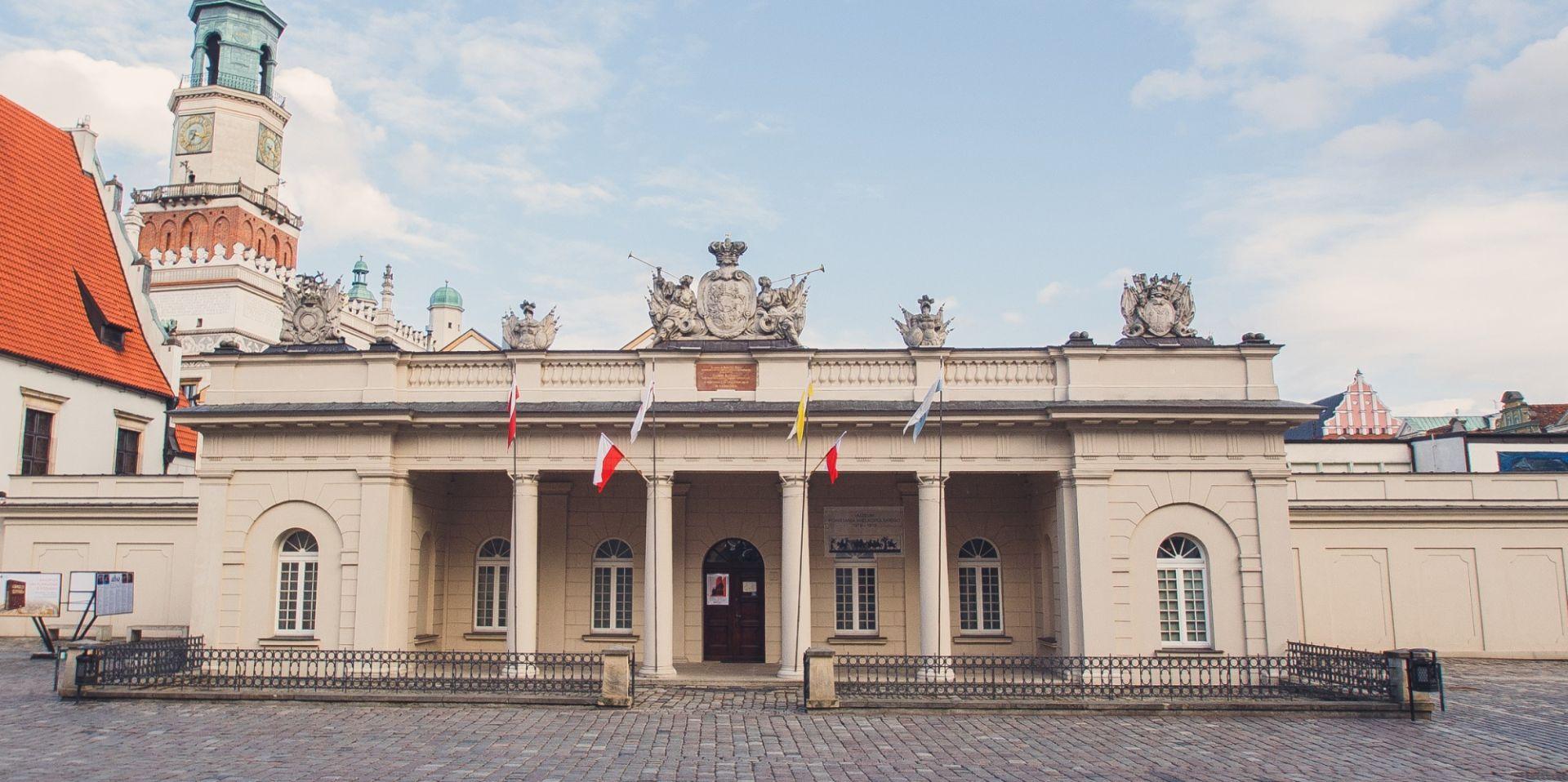
It is located in the Guardhouse (*Odwach*) on the Old Market Square, within one of the most outstanding monuments of Polish architecture. It was built at the initiative of Kazimierz Raczyński, the then-General Starosta of Greater Poland. The design was most likely created by the royal architect Jan Chrystian Kamsetzer—co-creator of Warsaw’s Łazienki Park and the interiors of the Royal Castle.
Until Prussia seized Poznań during the Second Partition of Poland, Crown troops were stationed in the Guardhouse. During the era of the partitions, the city's residents witnessed the changing of the guard by the occupying forces, who had designated the Old Town Guardhouse as the main guard post for the Poznań Fortress garrison. Beneath the symbols of the Polish-Lithuanian Commonwealth—dating back to the reign of its last king—stood a sentry box painted in Prussian colors, manned by a German soldier. In 1918, the Polish spirit took over the Guardhouse; in November, it became the headquarters for one of the most important formations of the Greater Poland Uprising: the paramilitary People's Guard (*Straż Ludowa*).
Gaspar Museum of Old Tools and Machines
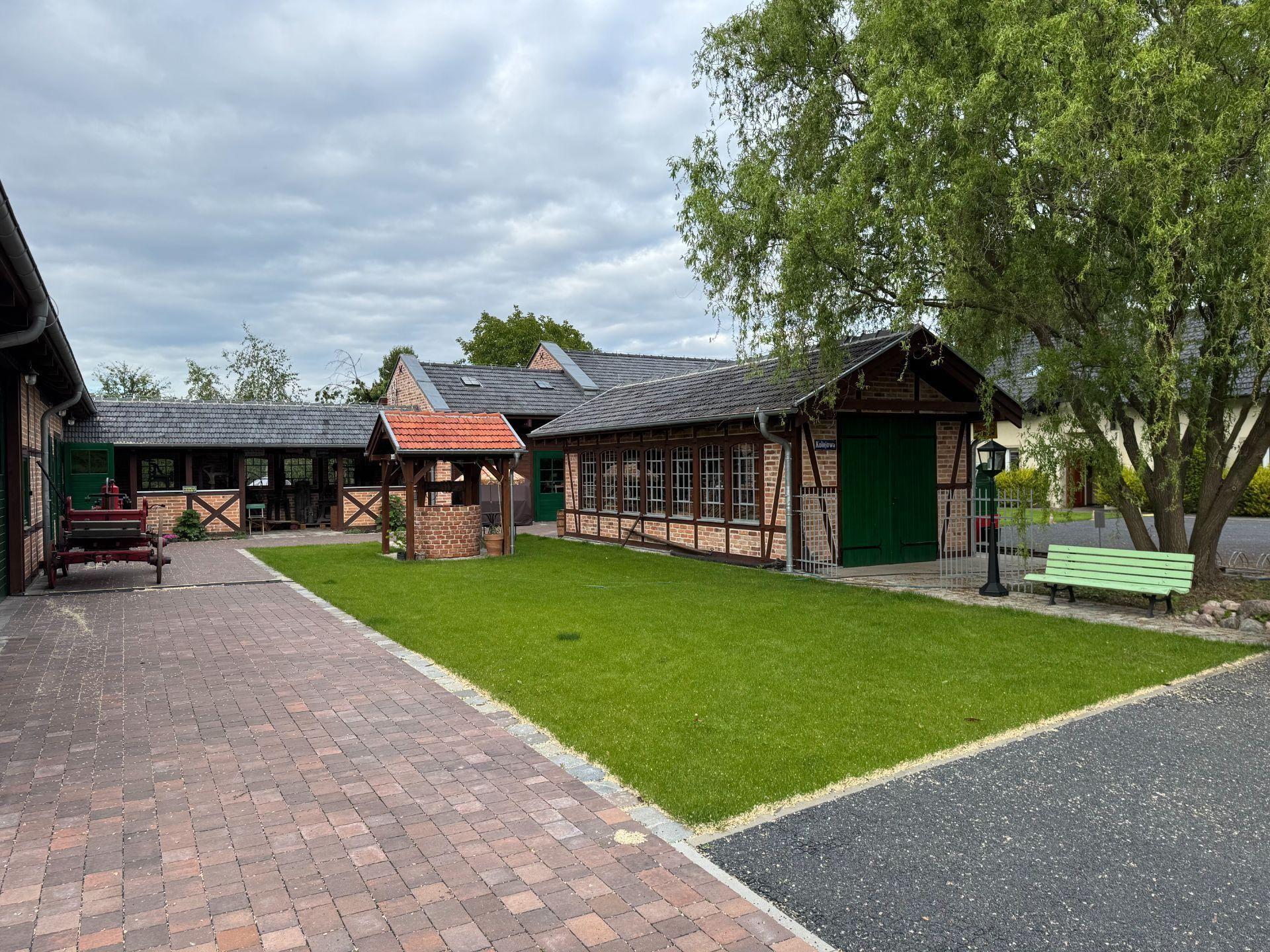
The GASPAR Museum of Old Tools and Machines is a private museum of technology dedicated to the preservation of historic tools, machinery, and memorabilia associated with Hipolit Cegielski and the HCP (Hipolit Cegielski Poznań) engineering works. The collections are displayed in characterful buildings constructed in the traditional Prussian half-timbered style, using reclaimed bricks and roof tiles that are over one hundred years old. Built up over many years, the museum's collection includes historic tools and machines used in carpentry, metalworking, mechanical engineering, and blacksmithing. Visitors can see a wide variety of traditional hand tools, including wrenches, pliers, screwdrivers, saws, and precision measuring instruments. The museum also features an extensive display of historic hand-operated, bench, and pillar drills, together with educational workshop models and a collection of original information boards covering occupational health and safety, machine operation, and workshop practices. A separate exhibition is devoted to Hipolit Cegielski—an outstanding nineteenth-century social activist, advocate of Organic Work, philologist, journalist, industrialist, and founder of the Hipolit Cegielski Poznań (HCP) industrial works. The collection includes memorabilia and products manufactured by HCP, including agricultural machinery, consumer goods such as gramophones, razors, tools, and pumps, as well as medals, documents, and historical publications.
Pakosław
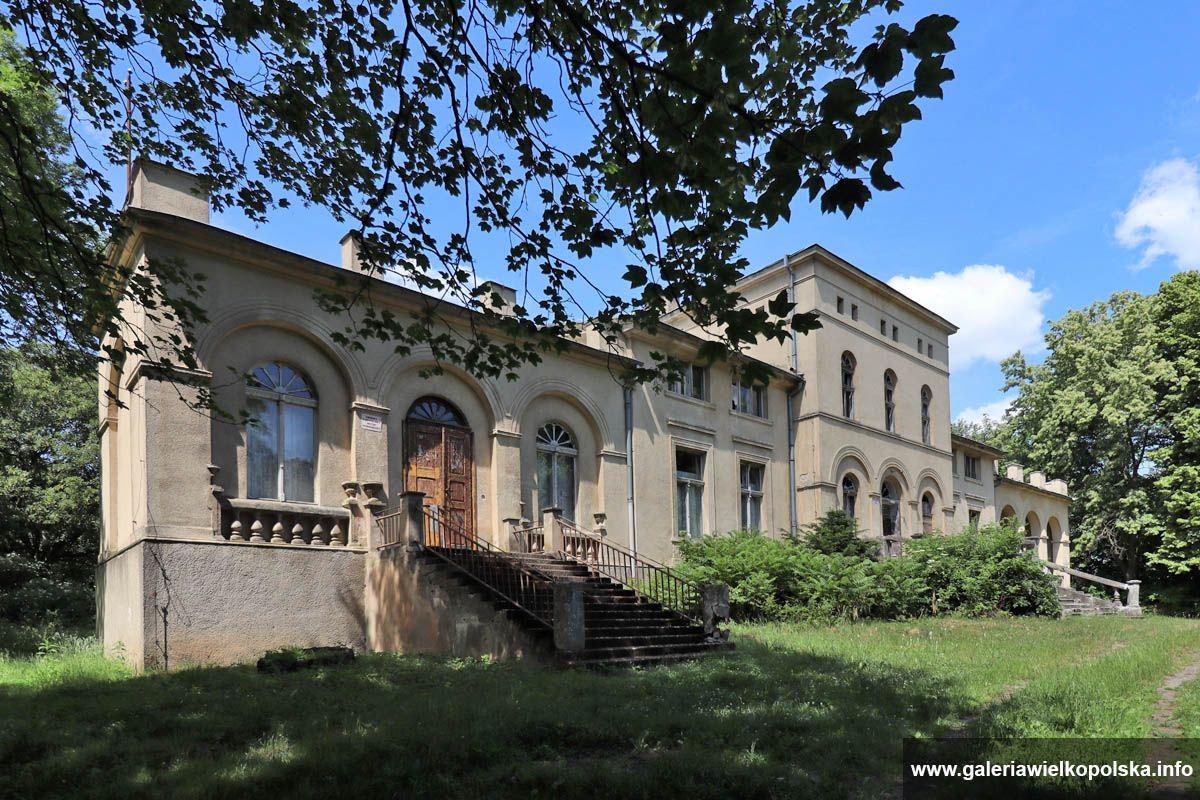
PAKOSŁAW PALACE
The palace in Pakosław was built at the end of the 18th century on the site of a former manor house. It was built in the classicist style, and the total cost was 50 000 thalers – which was considerable by the standards of the time. The author of the building's design was probably Carl Gotthard Langhans, known for designing the Brandenburg Gate in Berlin. The palace is located in the middle of a spacious English-style park, which at the time of its creation was still quite a novelty and considered an innovative direction in garden design. The first owner was Michał Krzyżanowski, who bought the estate from the Zakrzewski family. After him, it was taken over by his son Józef, who sold Pakosław around 1834 to father Aceranza Pignatelli. Around 1860, the palace became the property of Stanisław Czarnecki, but his son Leon sold the estate in 1903 to the German Colonization Commission. The Commission established a school and a Protestant chapel in the palace, significantly changing its interior. A house for a pastor and a cantor was also built, and an evangelical cemetery was established. After World War II, the building fell into ruin, and reconstruction began only in the late 1970s. Currently, the palace belongs to the Duda family and serves as a conference and hotel centre.
Poznań
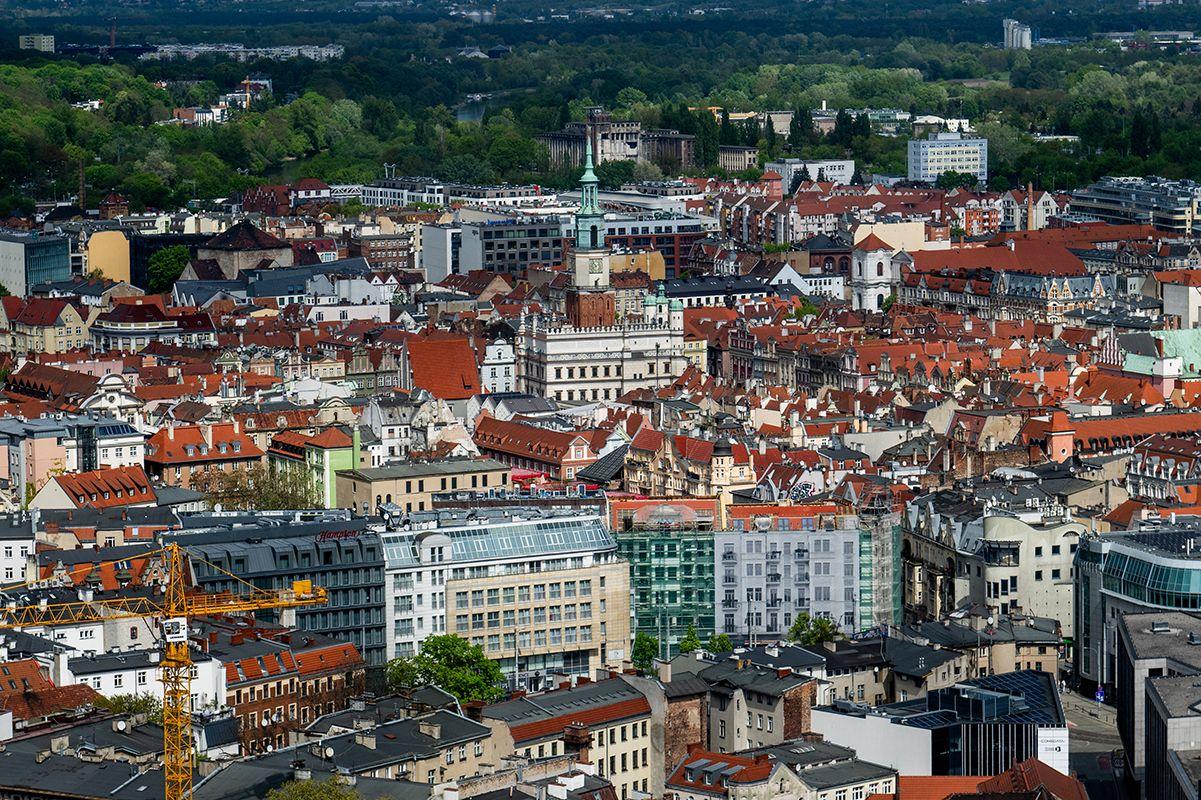
POZNAN BAZAR
The creation of the Bazar was a consequence of the efforts of the Polish inhabitants of Poznań to enter into an economic competition with the Germans. The author of the idea to establish the Bazaar was Karol Marcinkowski, a doctor and a social activist who, on the 26th of June 1838, established the Bazaar Joint Stock Company with a group of 146 initial shareholders. A plan was conceived to build a large hotel with Polish-owned shops. Its construction began in 1839, and the official acceptance took place in February 1843. Ultimately, a three-story building was erected, built on an elongated rectangular plan. The merchants who had their shop in the Bazaar included the famous Polish industrialist, Hipolit Cegielski. Apart from being the centre of Polish trade, Marcinkowski wanted the Bazaar to become a place of contact between the nobility and the commoners. For this purpose, the Poznań Casino was created. Over time, the Bazaar became a place of national and political activities - the board of the Scientific Help Society was based there, and in the following years, among others, the Poznań Society of Friends of Learning had its seat there as well. During the Spring of Nations, the National Committee also had its headquarters in the Bazaar. The first years after the uprising brought a crisis, exacerbated by crop failure and a cholera epidemic, but the initiative continued its operations. In January 1849, the Casino was reactivated as a Social Club, and attracted Polish patriots from all social classes.
RACZYŃSKI LIBRARY
The Raczyński Library in Poznań was established on the initiative of count Edward Raczyński. Its opening took place on the 5th of May 1829, making it the first public library opened under the Prussian occupation. The library operated on the basis of a statute approved on the 24th of January 1830. According to the statute, only Poles could perform managerial functions in the library. Moreover, the Prussian king exempted the library from the obligation to pay taxes and ordered that a copy of every publication published throughout the Grand Duchy of Poznań be delivered to the library. After the death of Edward's son – Roger Raczyński – in 1864, the Germans took over the control of the library. Despite this, most of the resources were still Polish books, and the majority of staff who worked there was also Polish. Thanks to this, the library largely retained its Polish character. After the outbreak of World War II in 1939, the Raczyński Library was taken over by the Germans and temporarily closed, and from November 1940 operated as the Städtische Raczyński-Bibliothek where only Germans could use its collections. At the end of the Battle of Poznań, on the 5th of February 1945, German troops blew up the library building. After the termination of the fighting, in February 1945, the library became part of the municipal library established by the city authorities. Due to the burning of its building at Plac Wolności, it was re-located to 65 Święty Marcin Street. In the years 1953-1956, the original building at Plac Wolności was rebuilt. By the resolution of the 20th of August 1968, the library was classified as a scientific library. Currently, the Raczyński Library is the second largest library in Poznań and is extensively active in many fields and activities.
POLISH THEATRE
The establishment of the Polish Theatre was possible thanks to the repeal of the so-called procedural act, under which the authorities' consent was required for any performances in languages other than German. On the 26th of November 1869, a Temporary Commission was established to set up a Theatre Committee, and on the 1st of December of the same year, a proper Theatre Committee was established with a plan to build a fully functional theatre. At the same time, it was possible to finally start performances presented in the Municipal Theatre (currently known as the Grand Theatre). The 1870 season was opened with Zemsta (“Vengenace”) by Aleksander Fredro. The performing group was finally taken under the financial supervision of the Theatre Committee, which on the 22nd of April 1871 was transformed into a joint-stock company - the Polish Theatre in the Potocki Garden (named after the garden of Bolesław Potocki, who donated it to the committee). Thanks to the sale of its shares at the end of 1871, the company bought the property at Berlińska Street (currently 27 Grudnia Street) from Stanisław Hebanowski. The Potocki Garden was sold, and construction began according to the design of Hebanowski, who made it for free. Construction lasted between 1872 and 1875. The ceremonial inauguration of the stage took place on the 25th of September 1875, when Fredro's Zemsta was performed once again, together with one of Fryderyk Chopin's polonaises, and a composition by Henryk Jarecki. Despite a successful debut, the company had financial problems - in 1874 it had to take out a loan, which was repaid only thanks to public collections. Finally, in 1890, a second company was established – Pomoc (“Help”) thanks to which a hotel, a games room and a tenement house with commercial premises were built on the land adjacent to the theatre. After Poland regained its independence, the theatre continued its activities and successfully competed with the avant-garde New Theatre and other Poznań scenes. Since 1925, its shortened name was used - Polish Theatre in Poznań. During World War II, the theatre remained closed, and was nationalised in 1946. After 1989, it remained a public theatre. In 2004, the Polish Theatre was awarded the title of the best repertoire theatre in Poland by the Teatr monthly.
POZNAŃ SOCIETY OF FRIENDS OF LEARNING
The Poznań Society of Friends of Learning was established on the 12th of January 1857. The founders of the organization comprised 42 people, including: doctor Kazimierz Szulc, father Franciszek Ksawery Malinowski, count Tytus Działyński and count Roger Raczyński. According to the statute adopted at the founding meeting, the aim of the Society was, among others, the publication, collection of sources and materials relating to the history of Poland, translation of outstanding writers, reprints of literary classics, and improving and maintaining collections. Organizationally, the Society was divided into departments. Initially, these were the Faculty of Natural Sciences, and the Faculty of Historical and Moral Sciences. Over time, the Faculty of Medicine, the Faculty of Theology, and the Faculty of Technology were also created. The publishing body was the Roczniki Towarzystwa Przyjaciół Nauk Poznańskiego ("Annals of the Poznań Society of Friends of Learning"). As part of the activities of the Society, lectures were organized to popularize science, and efforts were made to create and expand the collections of its library established in 1857. The society's resources also included numerous archaeological, natural, numismatic and art collections. One of the largest donors was Seweryn Mielżyński, from whose foundation the Society received its own headquarters, built in 1874-1881. After Poland regained its independence, the society slowly changed its character, from a scientific institution to an academic corporation. The Society also donated most of its collections to other museums. During World War II, over a hundred members of the Society died, and the library's book collection was dispersed and partially destroyed. The archive was also destroyed, and the seat building itself was devastated. After the war, the structures were rebuilt and scientific research was rekindled: scientific works were published, as well as popularization activities and restoration of library collections were resumed. Due to the unfavourable attitude of the state authorities, the Society lost part of its assets. After the 1989 political changes in Poland, part of its property was recovered, which, despite the reduction of state subsidies, allowed obtaining a financial basis for continuing the work of the Society, which operates to this day.
Szreniawa
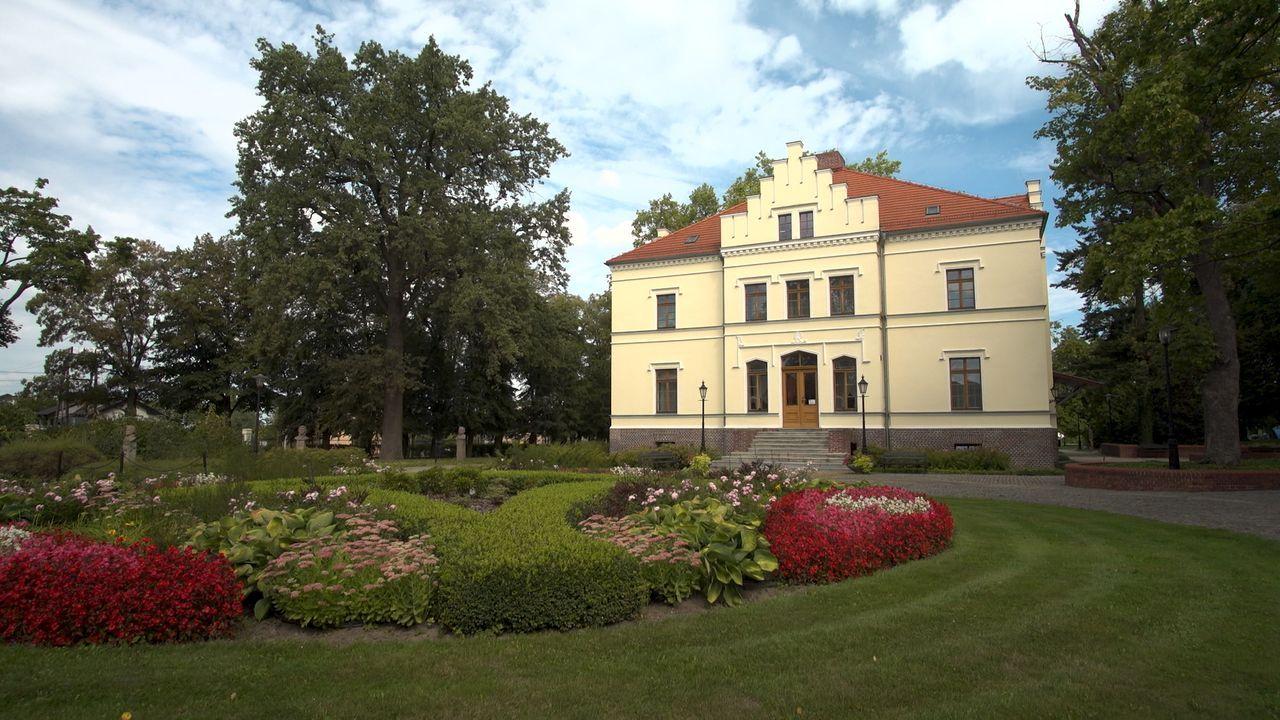
NATIONAL MUSEUM OF AGRICULTURE AND AGRI-FOOD INDUSTRY IN SZRENIAW
The museum was established in 1964, located in a historic residential and farm complex. It presents the history of agriculture and agri-food processing in Poland, from prehistory to the present day. In its rich collections, a special place is occupied by the collection of agricultural machines and tools, iconography, prints, archives and other artifacts from the 19th century Greater Poland. Each of these museum artifacts is an opportunity to tell stories about organic work. Thus, the museum does not limit its activity to exhibitions - it also addresses issues related to the subject of its interests in educational, popular science, scientific and publishing activities. The museum, presenting agriculture and the agri-food industry, could not ignore the icons of Greater Poland's organic work, as most of them had connections with the countryside and agriculture. Matters related to the operis magni of organic workers in Greater Poland are reflected in the activities of the museum. It features such paragons as: August Cieszkowski – the author of the philosophical justification of the idea of organic work, Dezydery Chłapowski – the populariser of the agricultural progress, Hipolit Cegielski – the entrepreneur and manufacturer of agricultural machinery, and Maksymilian Jackowski – the populariser of rational economy. In the park, one can find busts of the above-mentioned Dezydery Chłapowski and Hipolit Cegielski and other heroes of organic work. The Museum’s exhibition includes, among others: impressive machines, including those created in the factory founded by Hipolit Cegielski. Among them, one can see the spectacular, over a hundred-year-old, fully restored (functional!) self-propelled “Hipolina” locomotive. The museum, being a member of, among others, The Polish National Committee of the International Council of Museums (ICOM) and the International Association of Agricultural Museums (AIMA), promotes cognitive ideas and knowledge about Polish agriculture outside the country as well.
Rogalin
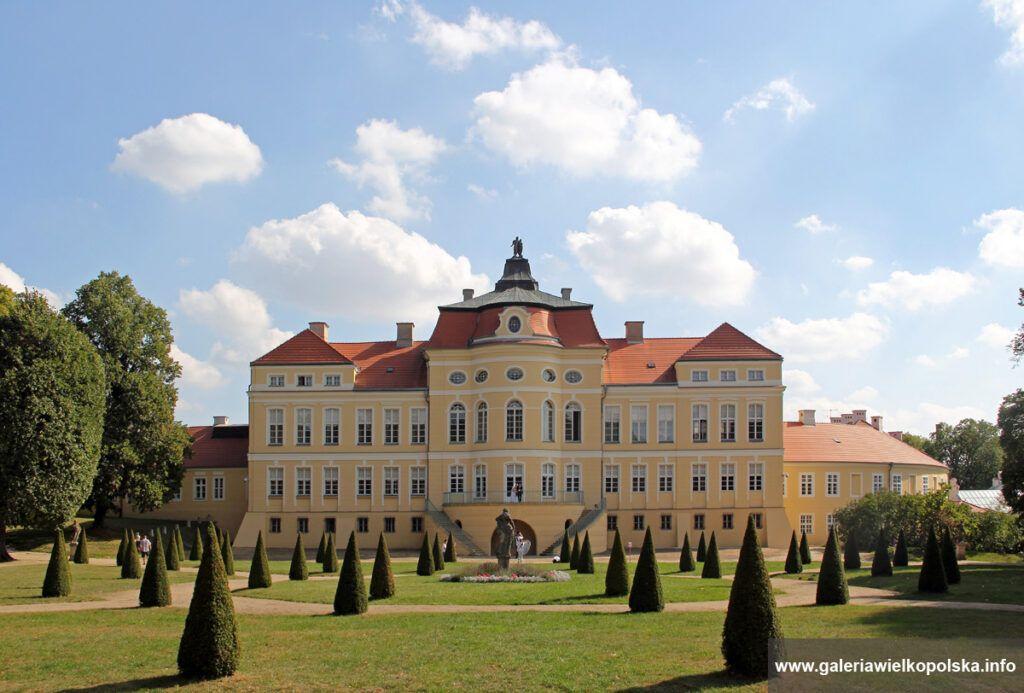
ROGALIN PALACE
The palace in Rogalin was built in 1770-1776 on the initiative of Kazimierz Raczyński. The palace, preserved to this day in its original shape, was built in the entre cour et jardin style ("between the courtyard and the garden"). The author of the design was probably a member of the circle of Saxon architects, active in Warsaw at that time. Shortly after the palace was built, its modernization began in the classicist spirit, according to the designs of Dominik Merlini and Jan Christian Kamsetzer. The modernization was continued by his successors, in particular Edward Raczyński. During his times, the interior of the palace was decorated in the empire style, and the former ballroom was turned into an armoury where national memorabilia were exhibited, making it the first museum room in Greater Poland. It was probably also then that the area around the palace and its garden was expanded to include a landscape park with ancient oaks. An important part of the park is a church resembling an ancient temple called Maison Carée (located in Nîmes, France). The church was completed in 1820 and it houses, among others, the bodies of Konstancja and Roger, and the heart of Edward Raczyński. In 1910, on the initiative of Edward Aleksander Raczyński, a gallery was built to present a collection of contemporary art, and the banquet hall was transformed into a library. It was used by, among others, Henryk Sienkiewicz. During World War II, the headquarters was confiscated by the Germans and used as the headquarters of the Hitlerjugend. After the war, the palace was nationalized, and in 1949 a branch of the National Museum in Poznań was established there. After 1989, thanks to the efforts of the last male descendant of the Raczyński family - Edward Bernard, the Raczyński Foundation was established at the National Museum in Poznań. According to the founder's intention, works of art belonging to the family are to be made publicly available in the Rogalin headquarters and the Poznań headquarters of the National Museum. At the beginning of the 21st century, the palace underwent thorough revitalization, which temporarily resulted in its closure. It was reopened in 2015.
Kórnik
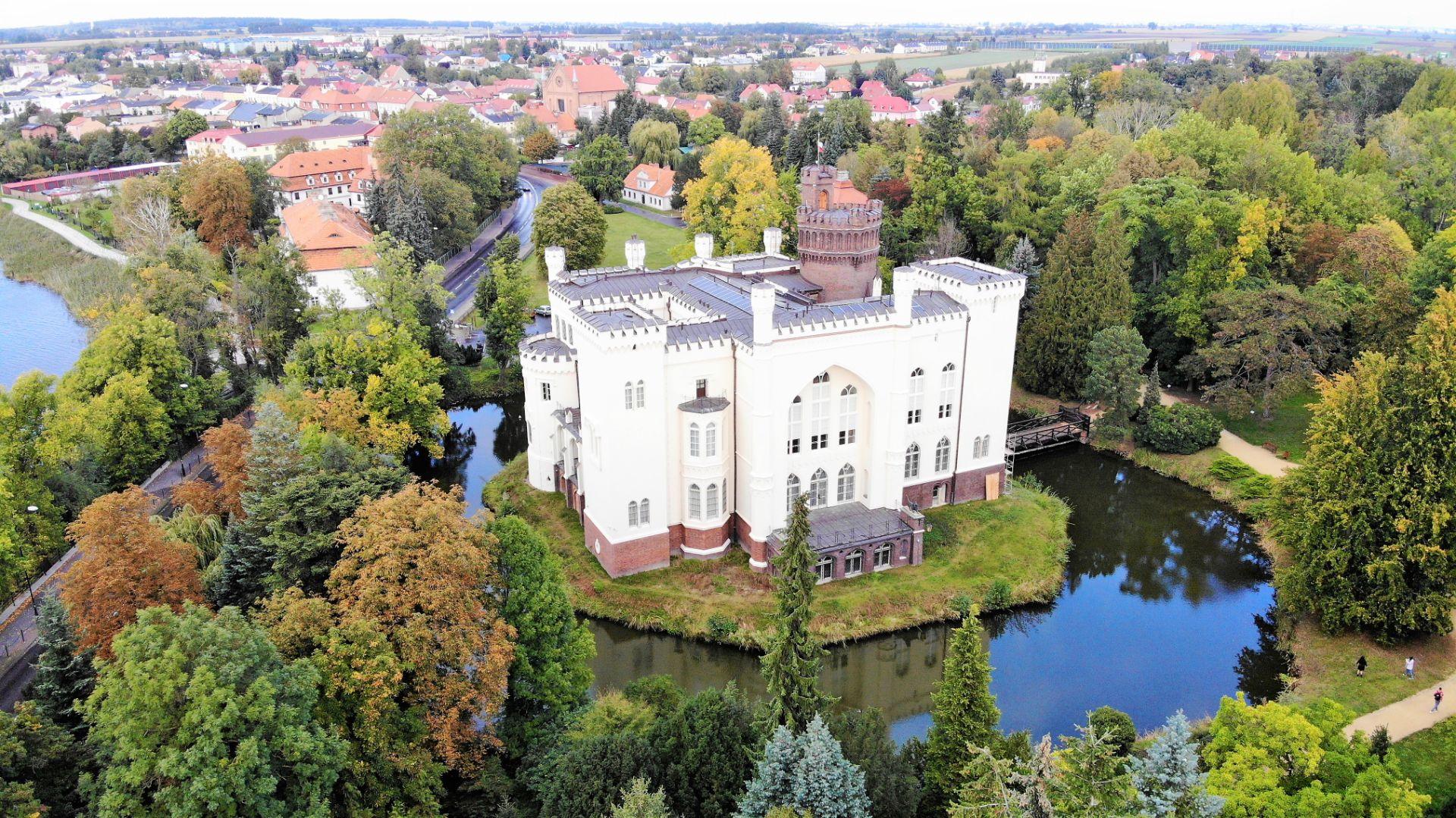
KÓRNIK CASTLE
The origins of the castle in Kórnik date back to the 14th century, when the first castle belonging to Wysota of the Łódź coat of arms was built. In the 15th and 16th centuries, Kórnik belonged to the Górka family, then the Czarnkowski family, the Grudziński family and finally the Działyński family. During the times of Teofia Szołdrska-Potulicka née Działyńska, the castle was thoroughly rebuilt. In 1790, Kórnik passed into the hands of Teofilia's son, Feliks Szołdrski. After his childless death, the castle became the property of a distant relative of Wiktor Szołdrski, but after a trial in 1801 count Ksawery Działyński became its new owner. After Ksawery's death in 1826, his son Tytus took over the Kórnik estate. Being a history enthusiast, he began collecting souvenirs and historical exhibits in the castle and decided to transform his residence in the neo-Gothic spirit, modelled on the Middle Ages, by adding an armoury and a library. The reconstruction, interrupted by the count's participation in the November Uprising, was resumed in 1843. Ultimately, the work changed the building into the English Gothic style with elements of oriental architecture. Modernization works were continued by Tytus's son - Jan Kanty and his heir, count Władysław Zamoyski. Pursuant to his will, he transferred all his property, including the Kórnik castle, to the Polish nation, as a result of which the castle became the seat of the museum. During World War II, the castle housed museum collections looted by the Germans from Poznań, which, however, led to overloading of the ceilings, and the castle also began to sink as a result of lowering the groundwater level. After 1945, the castle, like other facilities of this type, was nationalized. At the turn of the 1940s and 1950s, repairs were made, and the interior was also adapted to the needs of the Kórnik Library of the Polish Academy of Sciences, which is located in the castle to this day. It is one of the five largest institutions of this type in Poland, its collections contain approximately 400,000 volumes. The castle also serves as a museum.
Lewków
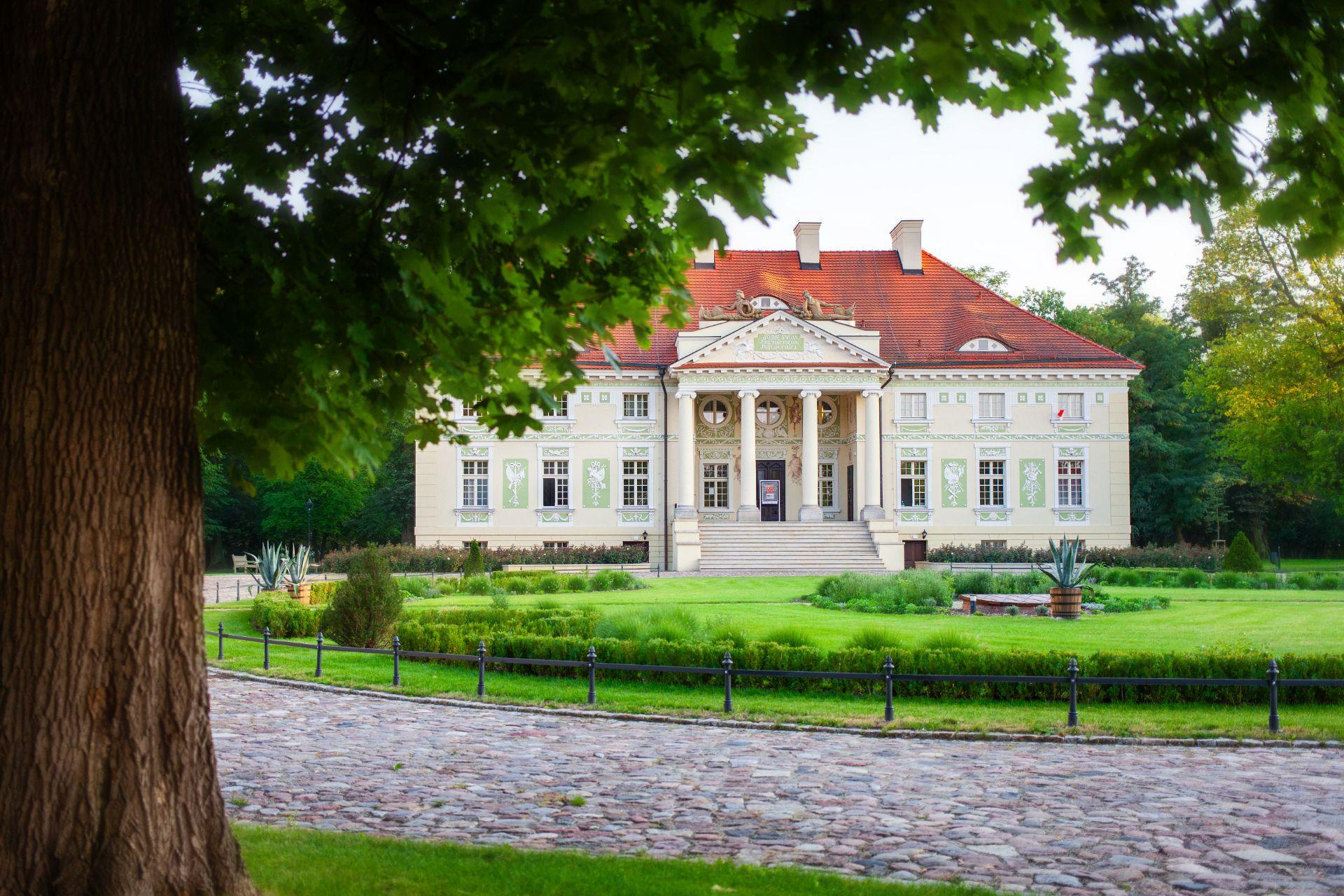
LIPSKI PALACE IN LEWKÓW
The palace was built between 1788 and 1791 as a representative residence for General Wojciech Walenty Lipski (1743–1810) and his wife, Salomea Lipska, née Objezierska (1749–1827). The unofficial motivation for its construction was the founder’s prestigious positions as Huntsman of Kalisz and Royal Adjutant. The Classical-style palace was most likely designed by Jan Chrystian Kamsetzer, court architect to King Stanisław August Poniatowski. The palace is accompanied by two outbuildings and an English landscape park, all preserving the original axial layout. The entire complex is a replica of the palace in Sierniki near Rogoźno. As the ancestral seat of the Lipski family, Lewków witnessed many patriotic struggles and became a centre of the Organic Work movement. The founder’s grandson, Wojciech Lipski (1805–1855), fought in the November Uprising and took part in the Spring of Nations. He was elected to the Prussian Parliament and became a noted philanthropist who established scholarships. He promoted modern agriculture, organised courses for agronomists and beekeepers, founded the Raszków Casino Society – a socio-economic association – and edited the agricultural journal Ziemianin. He also founded the Royal Catholic Boys’ Gymnasium in Ostrów Wielkopolski, which became an important centre for educating future professionals. During the ownership of his son, Józef Lipski (1827–1884), the Lewków estate enjoyed its greatest prosperity. The estate also welcomed many distinguished visitors. In 1812, Jérôme Bonaparte, King of Westphalia and brother of Napoleon Bonaparte, visited Lewków. More than a hundred years later, in 1928, the President of the Republic of Poland, Professor Ignacy Mościcki, was also a guest at the palace. Lewków did not escape the devastation of war. The destruction was completed by the Red Army in January 1945. After the war, the estate was nationalised. It was initially managed by the local Cooperative Association (GS), and in the 1970s a state-owned agricultural farm (PGR) was established here. In the 1980s, the entire property was transferred to the Kalisz Regional Museum to serve as a museum. Since 2017, the museum has operated as an independent cultural institution of the Wielkopolska Voivodeship. Its primary focus is preserving and presenting the history of the Lipski family and the Lewków estate.
Winna Góra
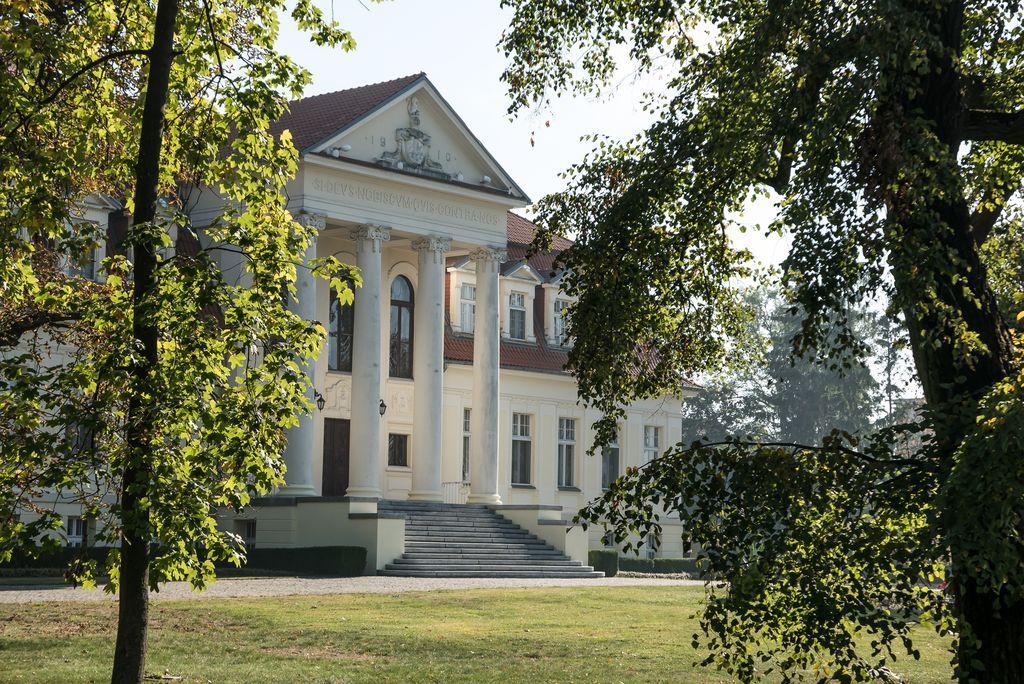
General Dąbrowski's Palace in Winna Góra (Dąbrowski Palace) has been a cultural institution of the Greater Poland Voivodeship Government since 2021. One of the tasks of the Palace is to create the Organic Work Trail, a cultural initiative promoting places, people and values related to the history and herstory of organic work in Greater Poland.
Śmiełów
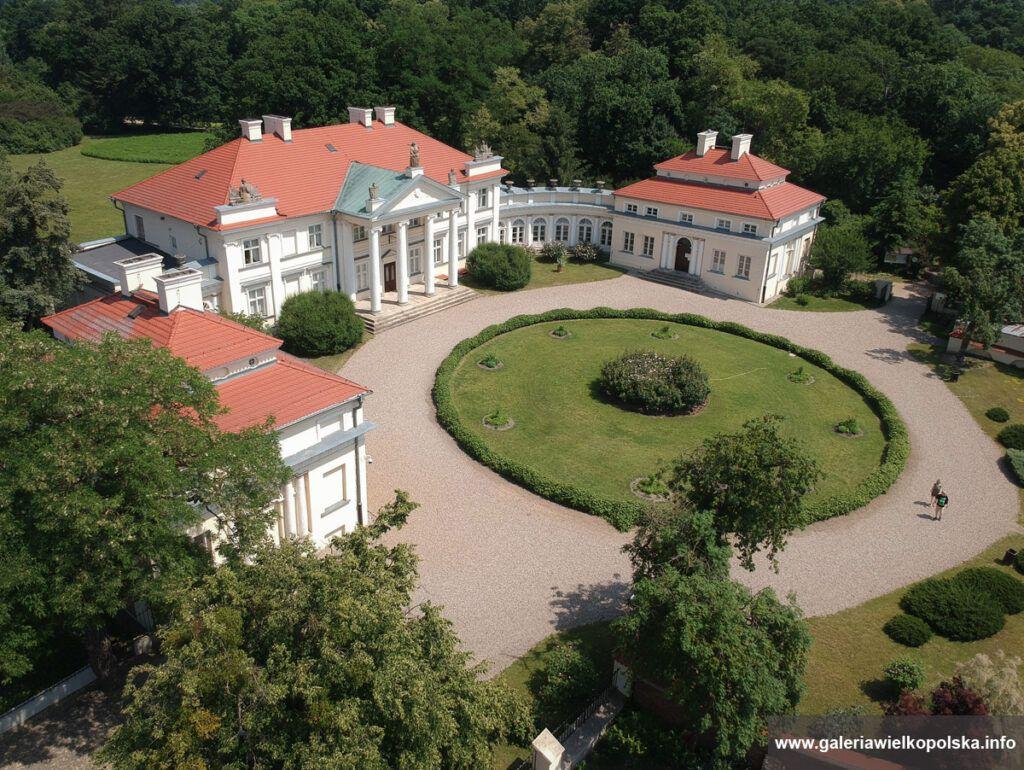
ŚMIEŁÓW PALACE
The palace was built in 1797 on behalf of Andrzej Gorzeński and was designed to consciously take advantage of the scenic values of the neighbouring areas. The most important guest of the Gorzeński family, the heirs to Śmiełów, was Adam Mickiewicz, who came here to cross the Polish-Russian border. In addition, other great figures were hosted in the palace, including Henryk Sienkiewicz, Ignacy Paderewski, and Wojciech Kossak. Moreover, there is a wonderful park behind the palace, which currently houses the Museum of Adam Mickiewicz.
Turew
TUREW PALACE
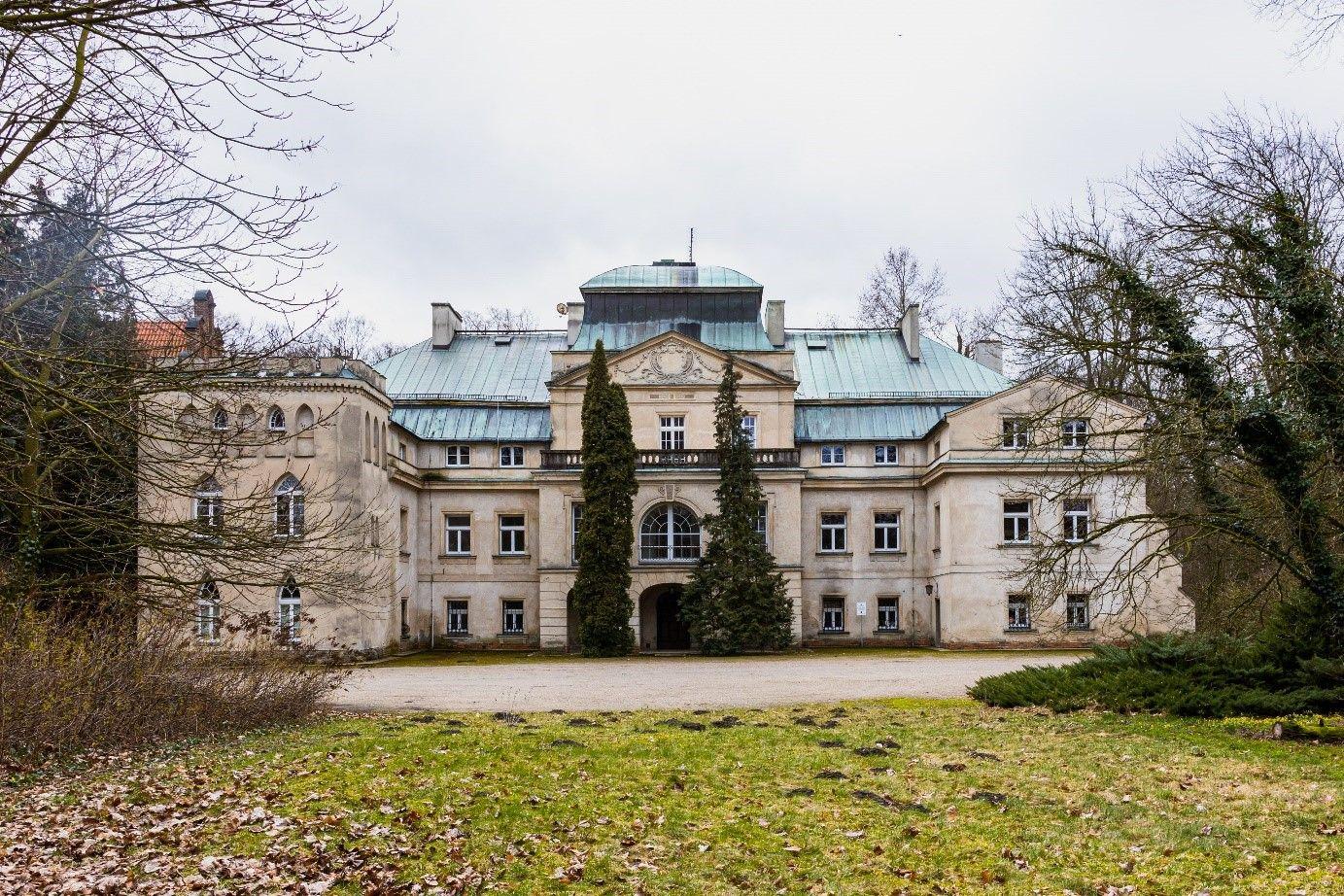
The palace in Turew, which was built in the years 1760-1770 on the initiative of Ludwik Chłapowski, is known primarily as the birthplace and seat of general Dezydery Chłapowski. It was originally built as a two-story palace but was rebuilt several times. As a result of this, the building is visually characterized by a mixture of styles, with baroque and neo-Gothic forms dominating its design. The most impressive interiors are located on the first floor (the so-called piano nobile). The interior design was most likely done by Ignacy Graff from Rydzyna. The palace is surrounded by a garden with an area of over 20 hectares, arranged by the French designer Augustine Denizot into an English-style park. There are several monumental tree specimens there, including oaks with circumferences of 700 cm and 780 cm (“Dezydery” oaktree - no longer alive). The first significant reconstruction of the palace took place in the 1820s and 1830s – the eastern avant-corps of the front façade was expanded, and a massive but low tower was added, topped with a battlement with pointed-arch window openings. Ogival window openings, featuring decorative woodwork with tracery, were also introduced in other facades of the palace. The new organization of the interior of the ground floor, which was also carried out at that time, was aimed at adapting them into rooms for veterans of the Napoleonic Wars staying at Chłapowski's. In the years 1846-1847, on the initiative of Dezydery's daughter, Zofia, a chapel was built in the neo-Gothic style. After the palace burned down in 1880, Zygmunt Chłapowski renovated it with the participation of the Poznań architect Stanisław Borecki in 1908-1909. At the beginning of the 20th century, a gardener's house was added, located in the north-eastern corner of the park, and in the years 1914-1916, an annex was built north-east of the palace, partially using the existing walls of an older building - probably a former distillery. Just before World War II, the last owner of the palace – Krzysztof Morawski – rebuilt parts of the palace, adding, among others, a library. During World War II, the palace was taken over by the Germans, who organized Hitlerjugend camps there. After the war, the palace was nationalized and incorporated into the State Agricultural Farm system. From 1953 to the end of October 2022, the palace housed the Research Station in Turew, belonging to the Institute of Agricultural and Forest Environment of the Polish Academy of Sciences. Since November 2022, the owner of the palace has been the Institute of Bioorganic Chemistry of the Polish Academy of Sciences.
THE DISTILLERY MUSEUM IN TUREW
Of the nearly 400 agricultural distilleries operating in the early 1990s, only about 60 remain active today. This once-significant economic sector is gradually disappearing due to the introduction of mass-production techniques. Many of the facilities currently in operation date back to the 19th century; however, the distillery in Turew is unique, as it is the only one to have operated continuously for over a century.
Documented evidence of a distillery in this village—linked to the Chłapowski family—dates back to the 18th century, making the locality a center with one of the longest-standing traditions of distilling. Most of the facilities still contain equipment from over a century ago, serving as valuable sites that document the evolution of the industry.
Gostyń
GOSTYŃ CASINO
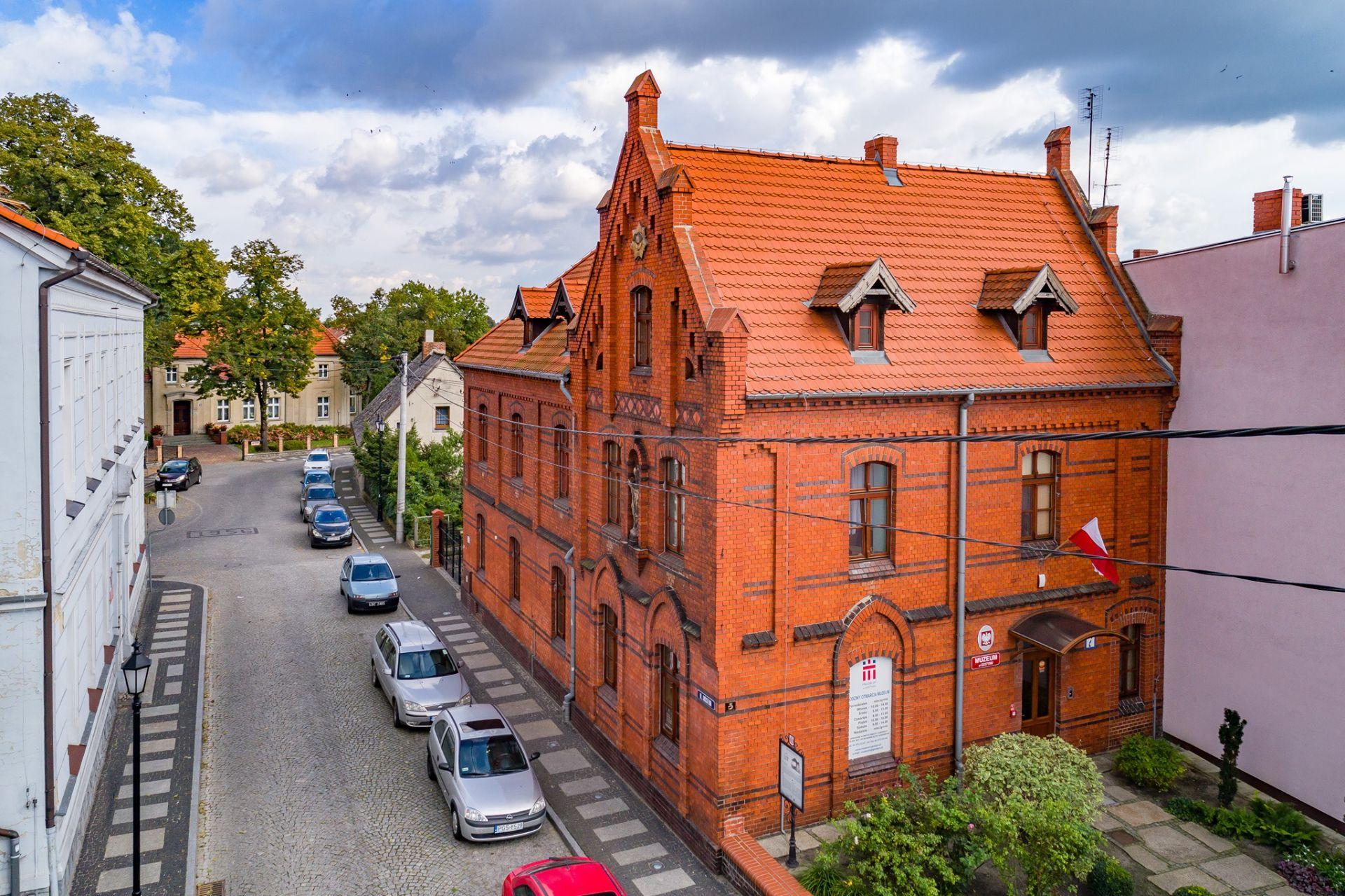
The Gostyń Casino was founded on the 27th of October 1835 by a group of 36 people, including: Edmund Bojanowski, Dezydery Chłapowski, Karol Marcinkowski and Gustaw Potworowski, who adopted a statute of 28 paragraphs. According to the statue, the casino was to be a place for parties and the exchange of messages. Membership was reserved for educated people with impeccable morals, and new members were admitted by a secret ballot. The number of members ranged between 50 and 160. Thanks to the membership of several Germans, they managed to gain the tolerance of the authorities for some time, which was important because attempts to liquidate the casino took place even before its official launch, and the members were widely surveilled. As police commissioner Wolf reported: "the goals of the society cannot be favourable to the Prussian state, which can be concluded from the fact that people known for their favour towards Prussia were not included in the society." The Prussian king himself was interested in the existence of the casino, ordering constant police surveillance of its activities. Meetings were held on Wednesdays, initially in rooms belonging to the former mayor of Gostyń, Jan Kulesza (currently a building at 10 Plac Karola Marcinkowskiego Street), then in the newly constructed headquarters. Interestingly, women were not allowed to smoke there, and gambling was also prohibited. Executive power was exercised by a management board composed of three directors and a cashier elected for a one-year term. The management's duties included, for example, setting the dates of games, convening members' meetings, managing the treasury (members paid a membership fee of 5 thalers per year) and storing magazines. Decisions related to casino operations were made at general meetings. In practice, the statute did not specify the casino's intended goals, namely economic development and education. Three departments were established. For example, the agro-industrial department was to take care of the development of agriculture and increasing knowledge about the economy. Therein, numerous discussions, conferences, agricultural exhibitions and festivals were organized, specialist magazines were also imported from abroad (including the UK), and the Przewodnik rolniczo-przemysłowy ("Agricultural and Industrial Guide") was published. It also made plans to regulate the course of the Oder River using appropriate water facilities. The literary department was responsible for running the library, collecting national souvenirs and conducting educational activities. It also organized several folk reading rooms with the Leszno Przyjaciel ludu (“Friend of the people”) magazine, including those in Krajewice, Siemów, Gola, Żytowiecko, Bodzewo. Contact was also maintained with Poles from Silesia and Masuria. The charity department dealt with helping the poor. In 1837, a library was opened, equipped mainly with books on history and literature. Gostyń Casino was a model for similar organizations in other cities of the Grand Duchy of Poznań. The Prussian authorities, still striving to liquidate the casino, achieved their goal in 1846. Unofficially, the casino existed until 1851, when, at the request of Gustaw Potworowski, under the resolution of the 28th of August 1851, the casino was transformed into the Agronomic Society of the Duchy of Poznań. According to the minutes of the same day: “After the larger meeting of members waited in vain until twelve o'clock, it was moved to begin the meeting based on the final reservation of the announcement. The first question was asked: should the Casino continue to exist or not? After several members agreed on this matter, the project was unanimously agreed upon with Gustaw Potworowski, and it was decided that the current Gostyń Casino, which undoubtedly brought considerable benefits to the province during its existence, would not be able to continue to operate usefully at this time due to the complete change of social relations under the previous organization. And thus, it is to be transformed into an association dedicated to one exclusively practical purpose and establish the Agronomic Society of the Duchy of Poznań.” The casino's library collection was transferred to Poznań in 1858 and became the beginning of the book collection of the library of the Poznań Society of Friends of Learning, while the casino house was used as a hospital and an orphanage.
Miłosław
KOŚCIELSKI PALACE IN MIŁOSŁAW
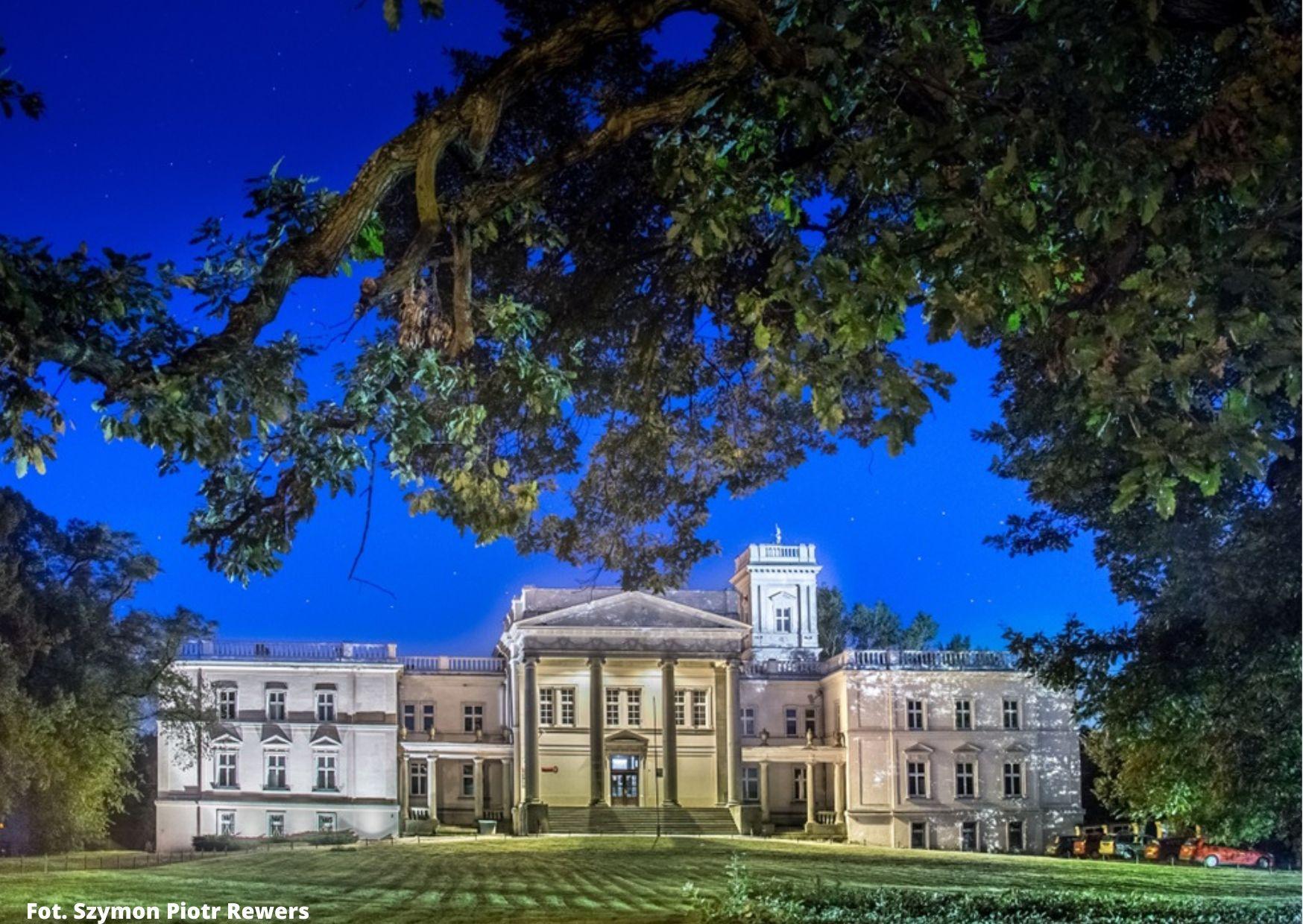
Kościelski Palace in Miłosław is a historic residence of exceptional historical and cultural significance to the region. Successively owned by the Mielżyński and Kościelski families, the palace has served as an important centre of social, cultural, and patriotic life since the 19th century. During the ownership of the Mielżyński family, Miłosław became a meeting place for artists, intellectuals, and supporters of Polish independence. The palace and its surrounding park played a significant role in shaping the cultural identity of the local community. This legacy was continued by the Kościelski family, who reinforced the palace's role as a centre for dialogue, artistic activity, and community life. Both families supported the ideals of Organic Work, promoting the development of education, culture, and the local economy. After the Second World War, the estate was given new functions. Following restoration, the palace was reopened to the local community. Today, it is home to the Miłosław Cultural Centre, which organises cultural, educational, and community events, as well as the Public Library, an important institution promoting reading and cultural engagement. Surrounded by its historic park, the palace remains a lasting reminder of Miłosław's rich heritage.
Śrem
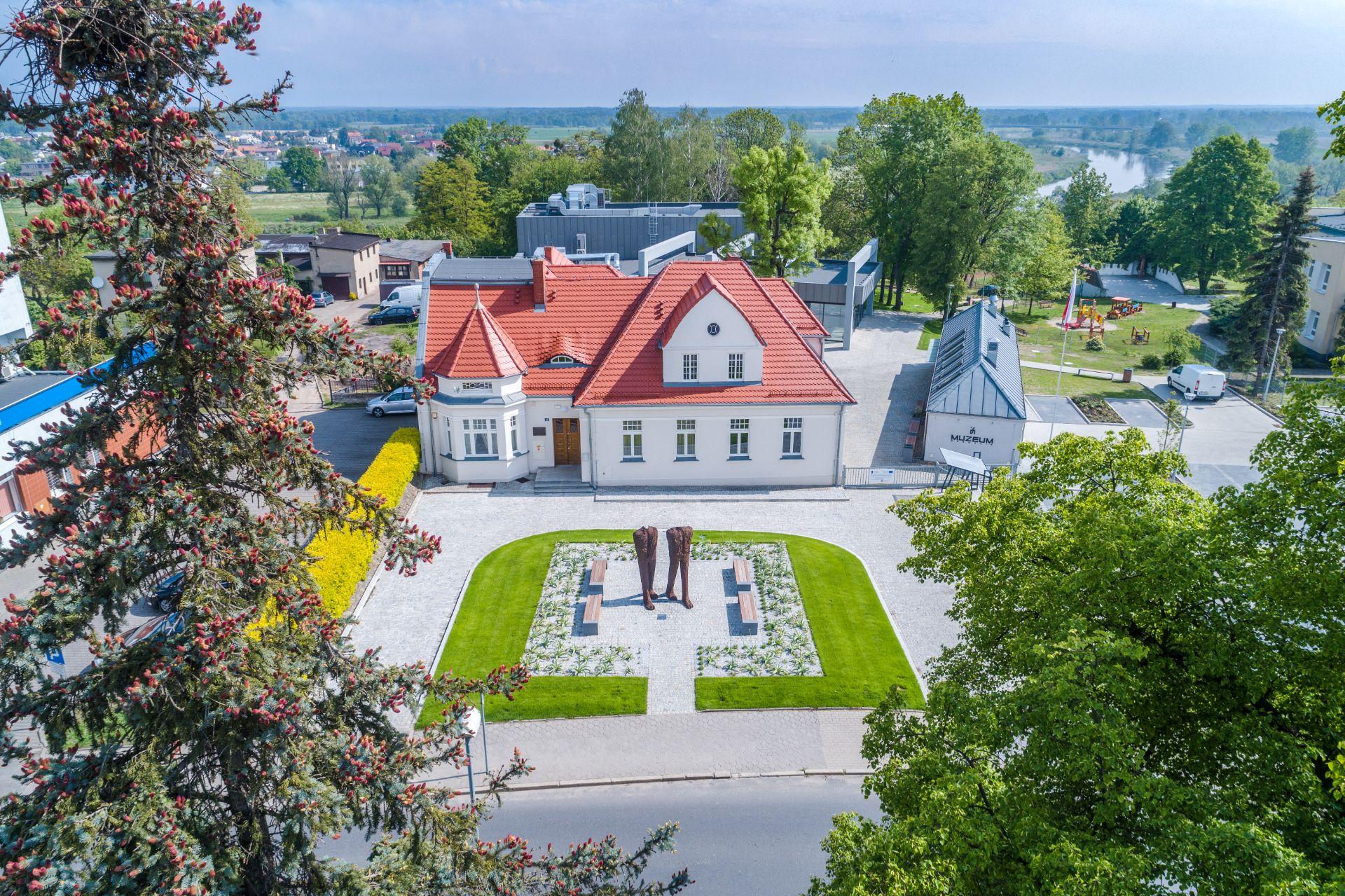
The Śrem Museum is a multifunctional cultural institution dedicated to the preservation, promotion, and development of regional, national, and world heritage. Visitors are welcomed by two monumental sculptures created by Magdalena Abakanowicz. Beyond them lies the museum complex, which consists of three interconnected buildings: a historic villa dating from around 1910, an art gallery, and a modern extension containing exhibition and performance spaces. At the heart of the complex is an inner courtyard dominated by a majestic ash tree. Visitors can relax on benches while enjoying panoramic views of the Warta River. Some exhibitions can also be viewed from outside through the glass walls of the exhibition gallery, which is primarily devoted to contemporary art. The ground floor of the historic villa houses the museum's permanent exhibition, which combines traditional collections with modern multimedia and digital technologies. The permanent exhibitions include "Śrem Through the Ages," "The Collector's Room," "Jurga – the Furrier's Workshop," "Local Dialect and Folk Costume," "Photo Studio," and "On the Trail of Organic Work." The last of these presents, in a modern and interactive way, the achievements of leading representatives of the Organic Work movement—including Dezydery Chłapowski, Father Piotr Wawrzyniak, Heliodor Święcicki, and Blessed Edmund Bojanowski—and highlights their contribution to the social, educational, and economic development of the Śrem region under Prussian rule. The museum also includes a park adjoining the Warta riverside promenade. Its mature trees, flowing stream, and peaceful seating areas provide visitors with an ideal place to relax away from the bustle of the town.
Dobrzyca
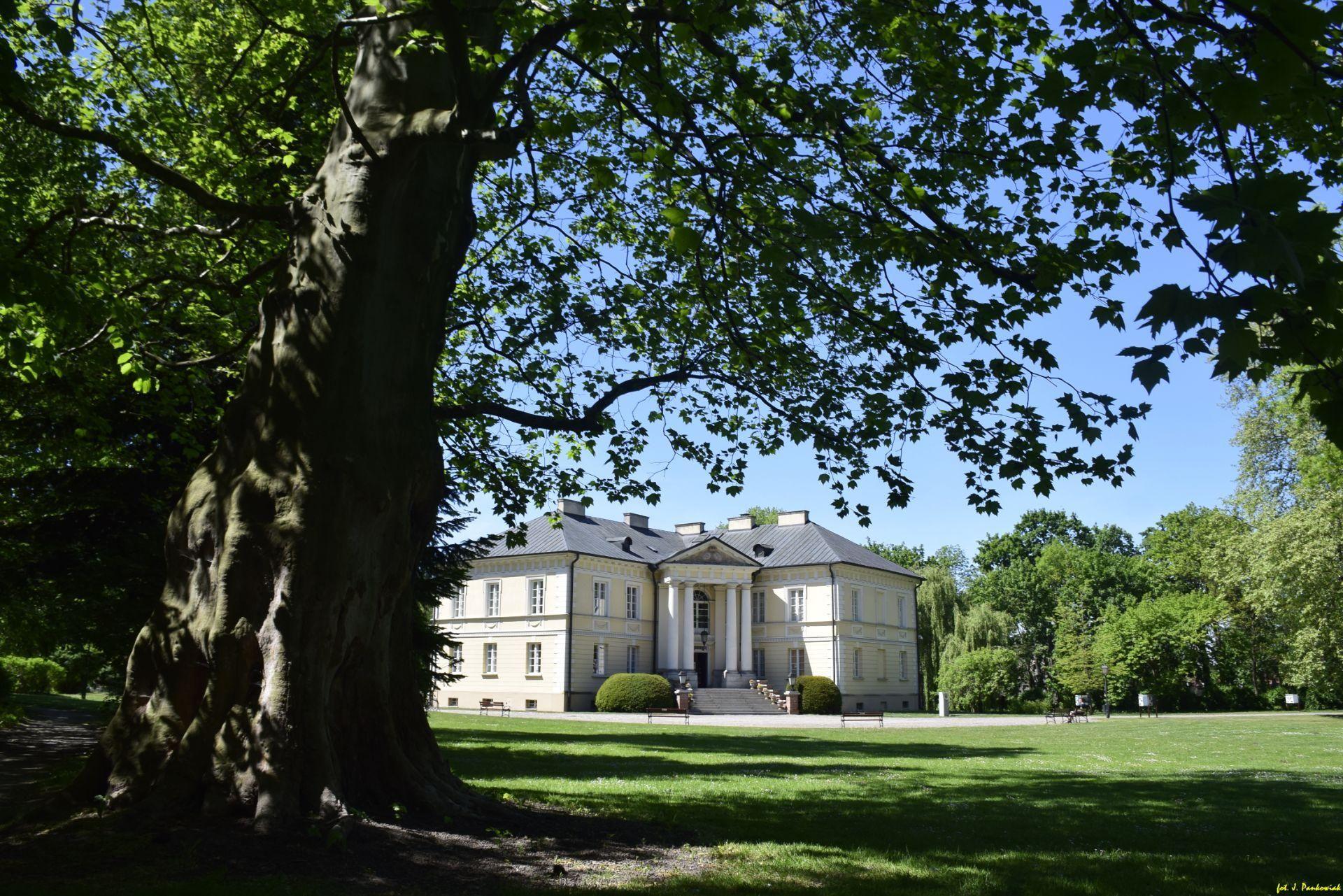
The museum is a local government cultural institution operating under the Marshal's Office of the Wielkopolska Voivodeship. It is based in a historic palace and park complex that successively belonged to the noble families of Dobrzycki (Bróg coat of arms), Gorzeński (Nałęcz coat of arms), Turno (Three Anchors coat of arms), von Kottwitz (their own coat of arms), Bandelow, and finally the Czarnecki family (Prus III coat of arms). The history of the estate dates back to the early 14th century. The last major reconstruction of the palace, together with the transformation of the surrounding park, was commissioned by General Augustyn Gorzeński, one of the closest friends of King Stanisław August Poniatowski. His redesign gave the estate its distinctive character, earning it the nickname "the Łazienki of Greater Poland." Covering more than 10 hectares, the park was redesigned in the English landscape style, featuring several ponds, Romantic garden structures, and so-called garden salons. Unfortunately, subsequent owners and the course of history gradually caused the estate to lose much of its original character. During and after the Second World War, its deterioration accelerated. Thanks to the determination of a group of local activists, who successfully campaigned for the estate to become a branch of the National Museum in Poznań in 1988, it was saved from complete destruction. After many years of restoration and conservation work, the palace reopened to visitors in 2005 as a museum of historic interiors. In 2009, the museum adopted a new mission and has since been dedicated to preserving and presenting the history, heritage, and traditions of the Polish landed gentry.
map Google
map Google
map Google
map Google
map Google
map Google
map Google
map Google
map Google
map Google
map Google
map Google
map Google
map Google
map Google
map Google
map Google
map



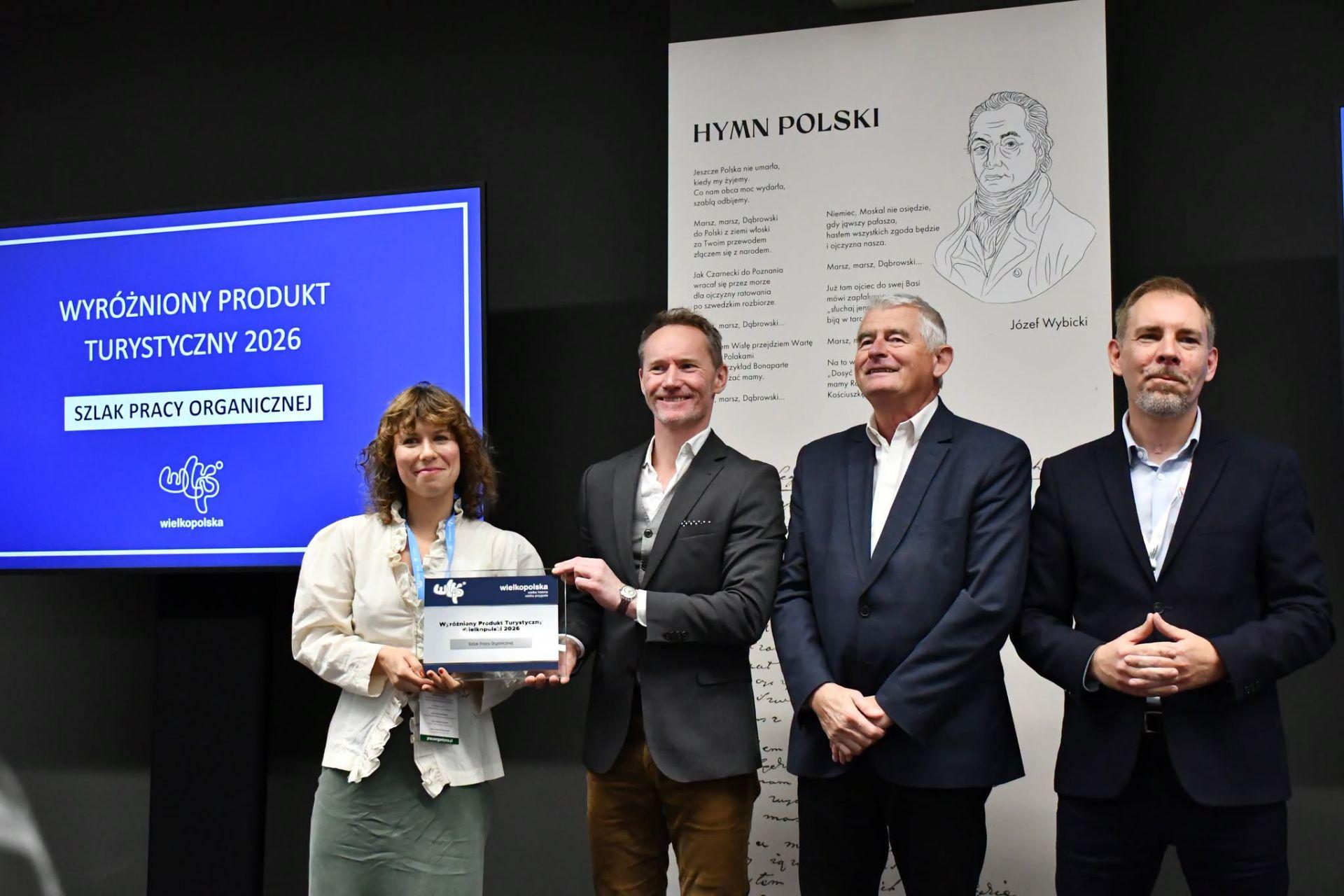
The Organic Work Trail is a cultural initiative of the Greater Poland Voivodeship Government, which brings together institutions, non-governmental organizations and local government units related to the idea and heritage of organic work and jointly creating the trail community.
About the Organic Work Trail initiative